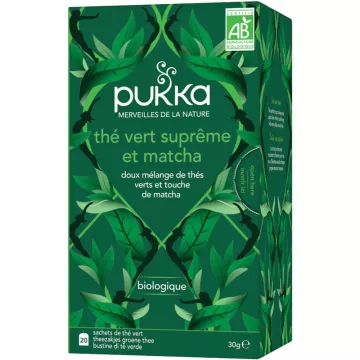
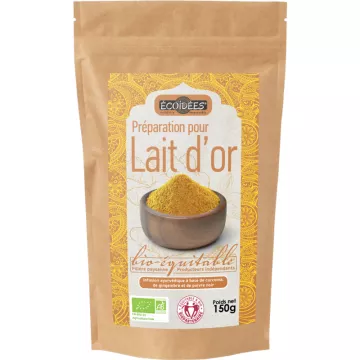
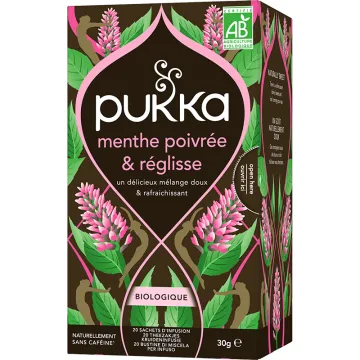
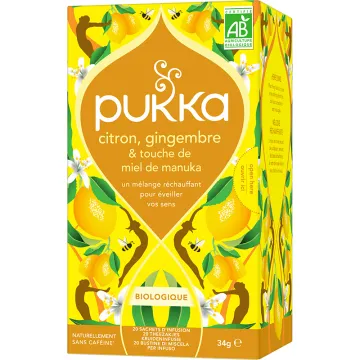
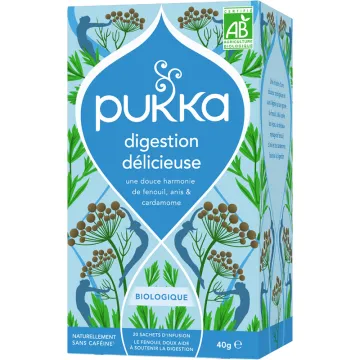
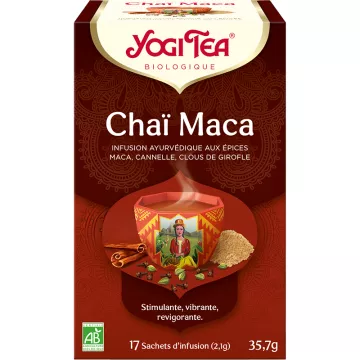
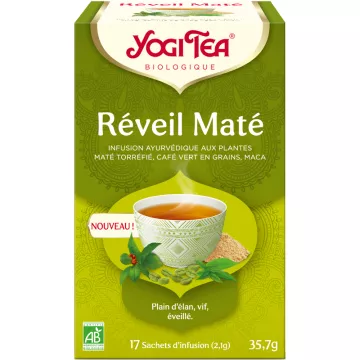
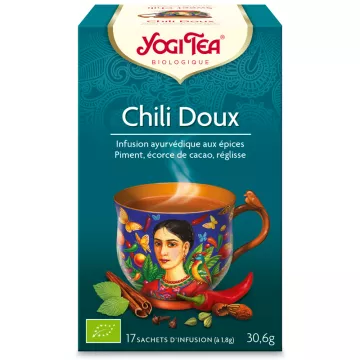
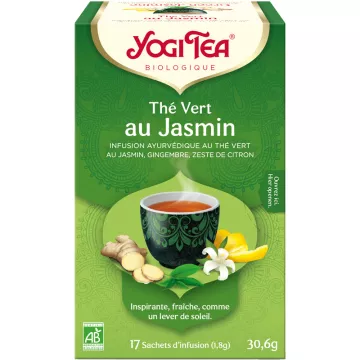
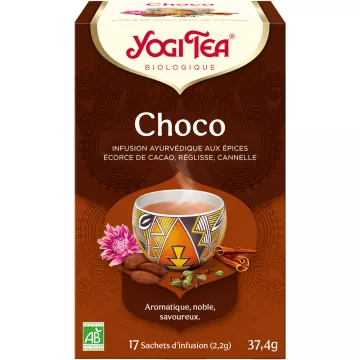
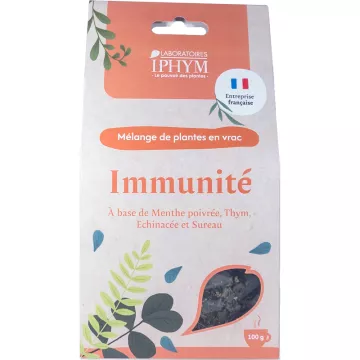
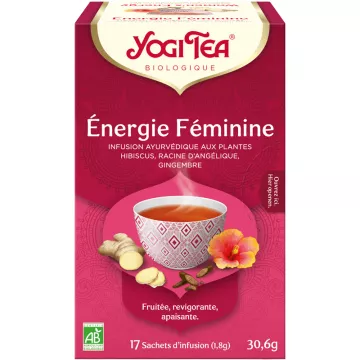
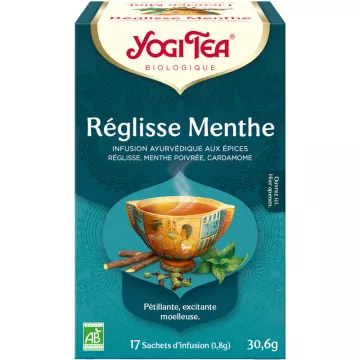
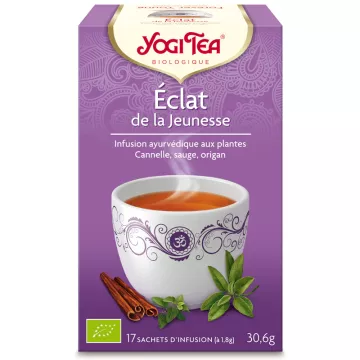
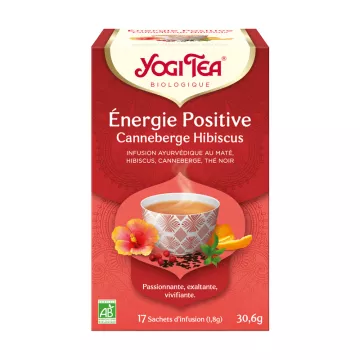
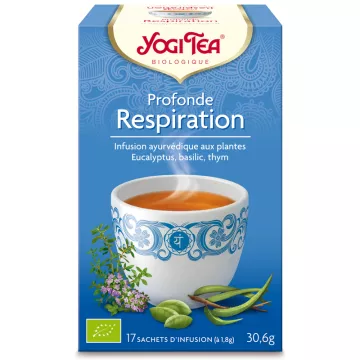
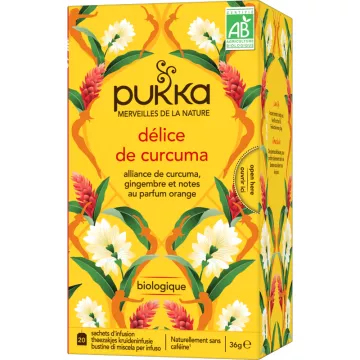
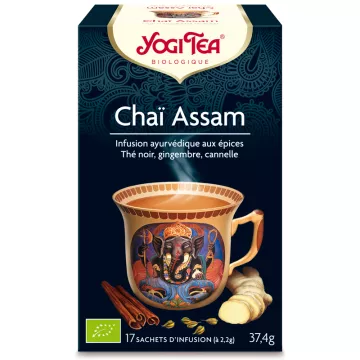
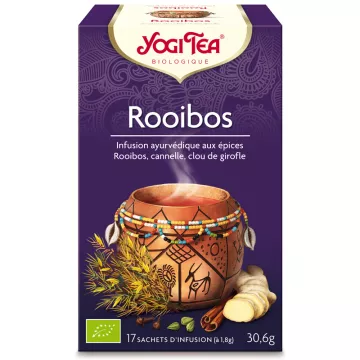
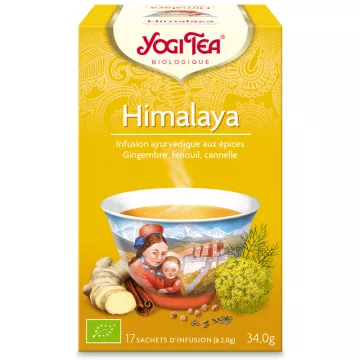
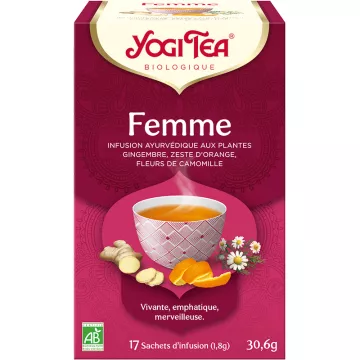
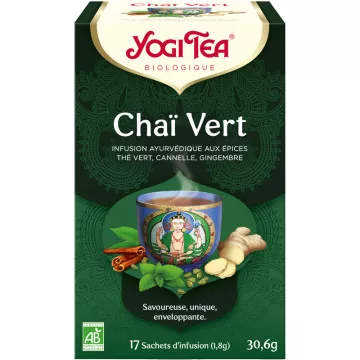
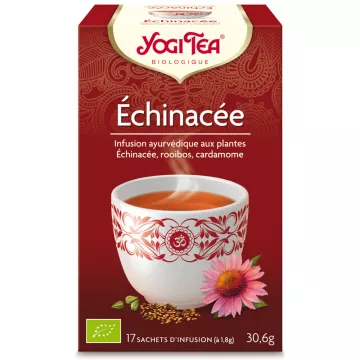
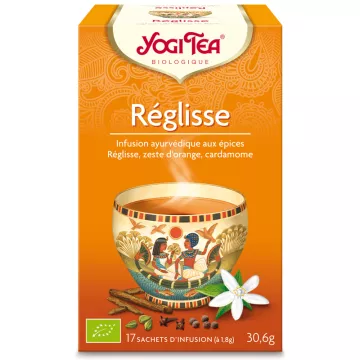
An infusion is a gentle method of extracting active ingredients and aromas from plants, flowers, fruits, or bark using hot water. This is distinct from tea, which comes exclusively from the Camellia sinensis plant: herbal infusions encompass all other plant-based preparations, most of which are naturally caffeine-free.
A time-honored practice intraditional herbal medicine, herbal infusions offer a simple way to harness the benefits of medicinal plants—such as aiding digestion, promoting sleep, fostering relaxation, and boosting immunity. When properly prepared and carefully selected, they serve as a gentle and effective daily ally. For chamomile and mint in general, additional resources are available.
Several simple steps optimize extraction:
Fresh herbs generally require twice the amount. For roots and barks (ginger, licorice, cinnamon), a decoction (simmering for 10–15 minutes) extracts the active ingredients more effectively. For ginger and peppermint in general, specific guidelines are available.
Each herb has its traditional uses, validated by long-standing practice:
Follow the recommended guidelines based on individual circumstances. For lemon balm, linden, and thyme in general, specific resources are available.
Herbal teas, although mild, are not harmless:
Prioritize variety in herbal choices rather than a prolonged course of a single herb (ideally 3 weeks followed by a break). For passionflower and valerian in particular, specific resources are available.
A few ideas for getting the most out of herbal teas:
Drinking herbal tea becomes a true ritual for taking a break, naturally slowing down your pace and fostering a moment of calm. Your licensed pharmacist remains a valuable resource for guiding your choice of herbs based on your goals and identifying any potential contraindications, in addition to appropriate medical care. Forhawthorn in general, specific resources are available.