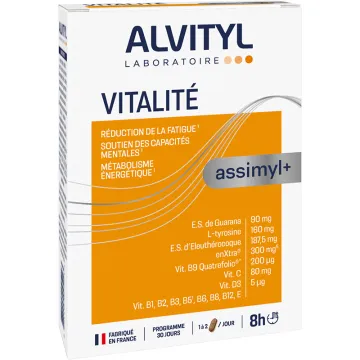
An infectious condition refers to any condition resulting from the invasion of the body by a pathogen—a virus, bacterium, fungus, or parasite—that triggers an immune response and clinical symptoms. Infectious conditions can take many different forms depending on the causative agent, the site of entry, and the state of the host’s immune system. Supplements to support the immune system are available in the “Immunity” and “Natural Defenses” sections of the store.
Several clinical forms can be distinguished: acute infection (sudden onset, rapid progression—common cold, strep throat, flu, gastroenteritis); chronic infection (persistence of the pathogen in the body—chronic hepatitis B, HIV infection, latent tuberculosis); recurrent infection (repeated episodes without chronicity—cold sores, recurrent urinary tract infections, winter nasopharyngitis); and opportunistic infection (a microorganism that is usually harmless but becomes pathogenic in an immunocompromised host). In all cases, an accurate medical diagnosis is a prerequisite for any treatment.
Infectious agents are transmitted through various routes depending on their biology:
The symptoms of an infectious disease are initially general: fever (the body’s inflammatory response, a sign that the immune system is active), chills, severe fatigue, muscle aches (myalgia), and headaches. Localized symptoms then indicate which organ is affected—cough and shortness of breath (lungs), pain during urination (urinary tract), diarrhea (digestive tract), and skin rash. Seek emergency medical care (call 15) in case of a very high fever (> 40 °C), stiff neck, purpura fulminans, altered consciousness, severe breathing difficulties, or fever upon returning from a tropical area.
Preventing infections relies on two complementary approaches: preventive measures and boosting immunity. Preventive measures include washing hands with soap and water (the first line of defense), vaccination (flu, hepatitis, pneumococcal, meningococcal, depending on individual risk profile), wearing appropriate protective gear, and avoiding close contact during epidemic periods. When taking prescribed antibiotics, always complete the full course of treatment and take probiotics to help restore the disrupted gut flora.
Several micronutrients have been shown to naturally support the immune system: vitamin C (500–1,000 mg/day—EFSA claim regarding normal immune function), vitamin D3 (1,000–2,000 IU/day—winter deficiency associated with increased susceptibility to respiratory infections), zinc (10–15 mg/day — cofactor for T-cell proliferation), andechinacea (EMA: well-established use for the prevention of mild viral respiratory infections — a 2- to 4-week course before winter, Contraindications: autoimmune diseases and immunosuppressive medications). See the infectious diseases page for a comprehensive overview of infectious agents and their treatments.