Immunomodulators: echinacea, reishi, astragalus, and turmeric

Filter
Number of products : 13
Sort
Sort
Close
L52 Lehning Flu Symptoms Oral Solution Drops L52 Lehning Flu Symptoms Oral Solution Drops
€8.59
Shipped within 24h
Lehning Plant-Based Tonic for Energy and Vitality, 250 ml Lehning Plant-Based Tonic for Energy and Vitality, 250 ml
€11.49
Shipped within 24h
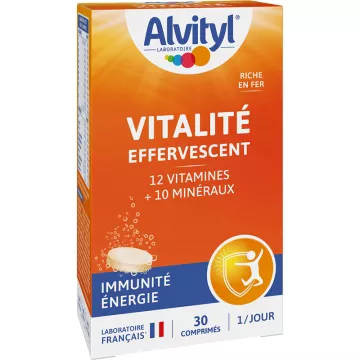
Alvityl Vitality 12 Vitamins, 30 effervescent tablets Alvityl Vitality 12 Vitamins, 30 effervescent tablets
€13.99
Shipped within 24h
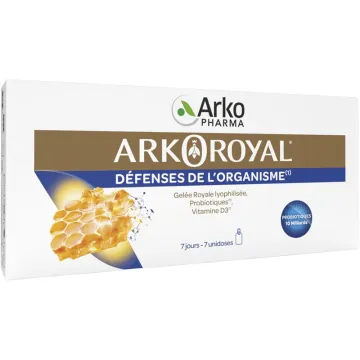
Arkoroyal Défenses de l'Organisme Adulte 7 Unidoses Arkoroyal Défenses de l'Organisme Adulte 7 Unidoses
€12.15
Shipped within 24h
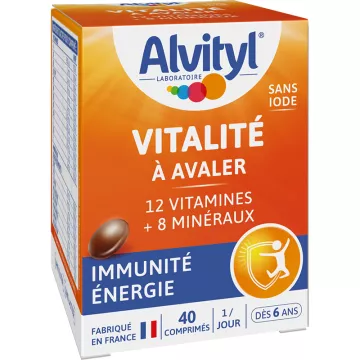
Alvityl Vitalité à Avaler 12 Vitamines 40 tablets Alvityl Vitalité à Avaler 12 Vitamines 40 tablets
€13.95
Shipped within 24h
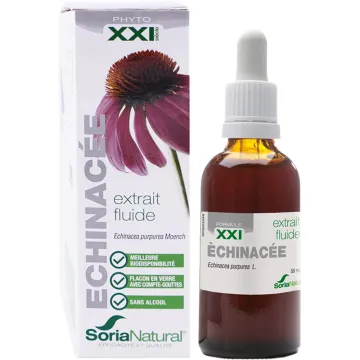
Soria Natural Echinacea Fluid extract 50ml Soria Natural Echinacea Fluid extract 50ml
€10.49
Shipped within 24h
Ladrôme Organic Fresh Plant Extracts: Agrimony, 50 ml Ladrôme Organic Fresh Plant Extracts: Agrimony, 50 ml
€7.20
Shipped within 24h
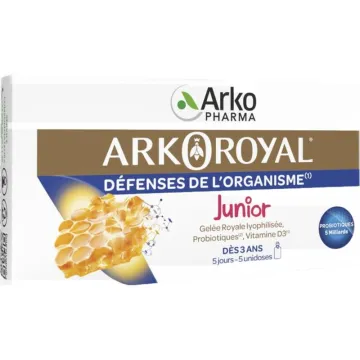
Arkoroyal Junior Immune Support 5 Single-Dose Packets Arkoroyal Junior Immune Support 5 Single-Dose Packets
€9.71
Shipped within 24h
Lactibiane Immuno Pileje 30 tablets Lactibiane Immuno Pileje 30 tablets
€14.47
Shipped within 24h

What is an immunomodulator, and how does it differ from an immunostimulant?

An immunomodulator is a substance capable of regulating the activity of the immune system in both directions—by stimulating it when it is deficient, or by dampening its activity when it is overactive (autoimmune diseases, chronic inflammation). This dual capability fundamentally distinguishes it from an immunostimulant, which solely activates the immune defenses without a feedback mechanism. Conventional immunostimulants (high-dose echinacea, certain phenol-containing plants) are suitable for the occasional prevention of seasonal infections; immunomodulators are more versatile and better tolerated over the long term because they preserve immune homeostasis. Immunomodulatory supplements are available in the store’s “Immunity” and “Natural Defenses” sections.

There are two main categories of immunomodulators. Pharmacological immunomodulators (interferons, immunosuppressants, biological response modifiers) are prescription medications reserved for specific conditions—such as rheumatoid arthritis, multiple sclerosis, and cancers. Natural immunomodulators, available as dietary supplements, act through gentler biological pathways and provide preventive support for immune balance without the side effects of drug treatments.

What are the best natural immunomodulators?

The natural immunomodulators with the strongest scientific evidence are:

  • Echinacea (Echinacea purpurea): immunoregulatory alkylamides and polysaccharides — well-established use by the EMA for mild viral respiratory infections — stimulates macrophages and NK cells while modulating the production of pro-inflammatory cytokines — 2- to 4-week course of treatment — Contraindications: autoimmune diseases and immunosuppressants
  • Astragalus (Astragalus membranaceus): immunoregulatory polysaccharides (astragalosides) — adaptogen — modulates innate and adaptive immunity — used in traditional Chinese medicine to strengthen “wei qi” (defensive energy) — positive clinical studies on infection rates and post-infectious recovery
  • Reishi (Ganoderma lucidum) and medicinal mushrooms: beta-glucans (1,3/1,6-glucans) — activate macrophages and NK cells — modulate the production of pro- and anti-inflammatory interleukins — clinical data in integrative oncology (quality of life, post-chemotherapy immune recovery)
  • Turmeric (curcumin): powerful anti-inflammatory — inhibits NF-κB (inflammatory transcription factor) — modulates the production of inflammatory cytokines (TNF-α, IL-6) — in a standardized extract with piperine (20× greater bioavailability)
  • Vitamin D3: documented immunoregulatory effect — activates macrophages — regulates the Th1/Th2 response — deficiency associated with autoimmune diseases and recurrent respiratory infections — 1,000 to 2,000 IU/day — EFSA claim
  • Zinc and selenium: cofactors of innate and adaptive immunity — antioxidants that protect immune cells
  • Probiotics (Lactobacillus rhamnosus GG, Bifidobacterium): modulate the intestinal barrier and mucosal immune responses — 70% of the immune system resides in the intestinal lymphoid tissue — particularly useful after antibiotic therapy

Indications, Contraindications, and How to Choose the Right Product

Natural immunomodulators are indicated in the following situations: recurrent ENT infections (tonsillitis, bronchitis, sinusitis), recovery from infection or antibiotic treatment, chronic immune fatigue, winter prevention, and as an adjunct—under medical supervision—to the treatment of inflammatory or autoimmune conditions. The immune system also benefits from a 4- to 8-week course of treatment, which can be repeated.

Several precautions are absolutely essential. People on immunosuppressive therapy (corticosteroids, biologics, tacrolimus) should not use immunomodulators without medical advice—due to the risk of interactions or adverse effects. Echinacea and astragalus are contraindicated in uncontrolled autoimmune diseases. Pregnancy and breastfeeding: medical advice is required for most immunomodulatory herbs. Finally, product quality is crucial—opt for standardized extracts (guaranteed active ingredient content), certified traceability, and a brand recognized in the field of dietary supplements.