The “healthy glow” effect refers to skin that looks visibly fresh, well-rested, and radiant. More than just a purely aesthetic condition, it is an expression of overall good health and well-maintained skin quality, regardless of age or skin type.
The term is widely used in cosmetics and dermatology to describe skin that appears revitalized, with no obvious signs of fatigue or dullness. The “healthy glow” effect differs from a simple tan: it combines luminosity, a subtle warmth to the complexion, and visible skin comfort. It is achieved through a combination of a skincare routine, a healthy lifestyle, and strategic touches of makeup. This approach complements that of radiant complexions and helps maintain a fresh complexion every day.
The healthy glow effect rests on four complementary pillars. None on its own yields the desired result; it’s the combination that transforms the face’s appearance.
Hydration: Apply a cream suited to your skin type morning and night to preserve the skin’s elasticity, suppleness, and comfort. Exfoliate regularly (1 to 2 times a week, depending on skin sensitivity) to remove dead skin cells and reveal a more even and luminous complexion. Daily broad-spectrum sun protection with SPF 30 to 50+ is essential for preventing photoaging, dark spots, and loss of radiance over the long term. Nutrition and internal hydration: prioritize fruits, vegetables, and omega-3s, and drink enough water to nourish the skin from within. These steps form the foundation; skincare products and makeup then come in to complete the look.
Several specialized products provide an instant healthy glow while complementing your foundation routine. The choice depends on the desired intensity and your skin type.
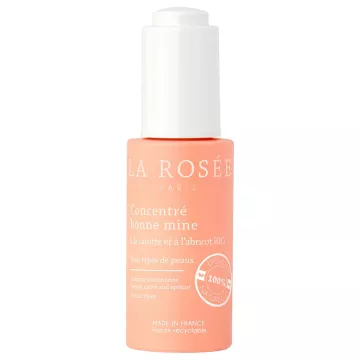
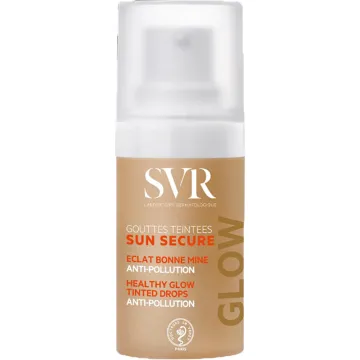
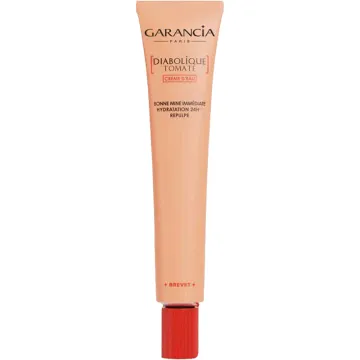
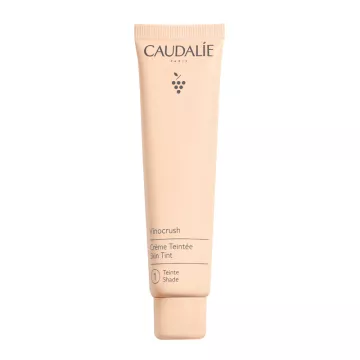
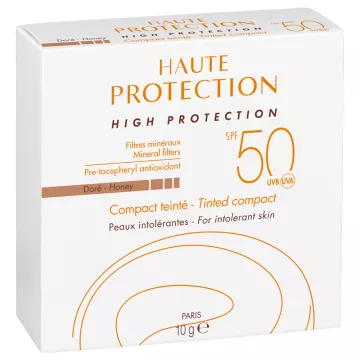
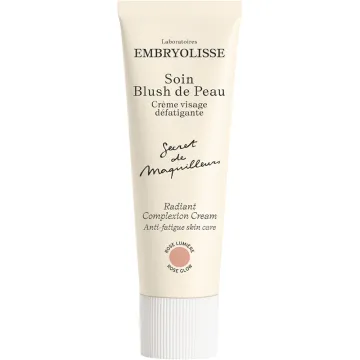
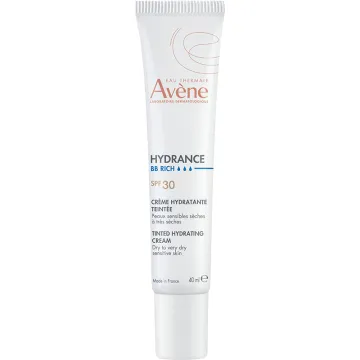
Illuminating primers (“glow” primers) cast a veil of light over the skin; apply them before foundation for a “glow-from-within” effect. Vitamin C serums are known to brighten the complexion and reduce signs of fatigue: they’re used in the morning under your day cream. Tinted moisturizers offer light coverage and even out the complexion while providing a touch of hydration—perfect for minimalist routines. Tinted balms and plumping serums formulated withhyaluronic acid give skin a “radiant, dewy” look in just a few applications. The complete selection can be found in the “Perfect Complexion” category.
Yes, a healthy glow can be achieved without relying on numerous products. A healthy lifestyle remains by far the most powerful and long-lasting factor.
Several simple steps support a natural healthy glow. Moderate, protected sun exposure (in the morning or late in the day, never during peak sun hours, and always with sunscreen) provides vitamin D and a warm, radiant complexion. A diet rich in antioxidants (berries, leafy green vegetables, fatty fish, nuts, green tea) protects the skin and supports its renewal. Quality sleep of 7 to 9 hours per night is likely the most powerful factor in achieving a healthy glow: this is when the majority of cellular regeneration takes place. Regular physical activity (30 minutes of moderate activity most days) stimulates skin microcirculation and oxygenates the tissues. Stress management rounds out the approach, as chronic stress is one of the main factors that dull the complexion.
Professional treatments can be a useful complement to a daily skincare routine, but they should not replace it. They are genuinely effective but must be performed by a trained professional.
There are several categories of treatments. Spa facials combine deep cleansing, masks, massages, and the application of concentrated active ingredients—ideal for giving your skin a radiant boost before a special event. Chemical peels of varying depths (glycolic acid, salicylic acid, trichloroacetic acid) renew the skin in a medical office. Intense pulsed light (IPL) and certain lasers target pigmentation issues and restore even skin tone. Radiofrequency and microneedling stimulate skin regeneration. These procedures require a prior medical evaluation, particularly for chemical peels and laser treatments, which are strictly the domain of a dermatologist or a trained aesthetic physician. Strict sun protection is essential in the weeks following these procedures.
Several cosmetic active ingredients specifically target a healthy, radiant complexion. Incorporating them into a regular skincare routine yields visible results within a few weeks.
Stabilized vitamin C brightens the skin’s complexion and reduces signs of fatigue.Hyaluronic acid plumps the skin and improves its surface appearance. Cosmetic peptides (copper peptides, palmitoyl tripeptides, acetyl hexapeptide) support firmness and elasticity. Niacinamide regulates sebum, reduces redness, and evens out the complexion. Plant-based antioxidants (polyphenols, vitamin E, resveratrol, EGCG from green tea) protect cells. Ceramides and squalane strengthen the skin barrier and maintain comfort. Cosmetic retinoids (retinol, retinaldehyde) are well-documented anti-aging active ingredients but are photosensitizing; they should be introduced gradually and always used in combination with sunscreen.
For a natural, healthy glow, choosing the right foundation shade is just as important as the formula itself. A product that’s too dark creates an artificial “patchy” look; one that’s too light makes the face look washed out.
The golden rule: choose a shade that matches your natural skin tone exactly. Test it along the jawline or on the upper neck—never on the wrist or the back of the hand. Check it in natural light near a window—never under artificial lighting. Opt for light- to medium-coverage formulas (BB cream, CC cream, liquid foundation with a satin finish) that let your skin’s natural texture show through rather than masking it. A tinted moisturizer with a satin finish or a hydrating foundation with a luminous finish are the best choices for a healthy glow. Identifying your undertone (warm, cool, neutral) further refines your choice and yields a more harmonious result.
Hydration is probably the most crucial cosmetic factor for a healthy glow. Well-hydrated skin naturally captures and reflects light, whereas dehydrated skin appears dull and marked.
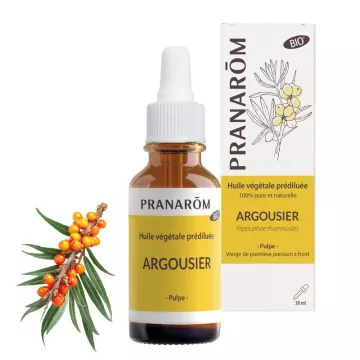
Internally, drinking enough water (an average of1.5 to 2 liters per day for an adult) maintains cellular metabolism and supports the quality of skin tissue. Externally, use moisturizing products rich in hyaluronic acid (a humectant that locks in water in the skin’s outer layers), ceramides (which strengthen the skin barrier), squalane, and glycerin. For dry skin, supplement with light plant-based oils (jojoba, argan, rosehip) in a nourishing serum. Spraying thermal water throughout the day helps maintain hydration, especially during prolonged exposure to air conditioning. The complete product line can be viewed in the hydration category.
Makeup isn’t essential for a healthy glow, but when used correctly, it enhances the effect. The golden rule: light, targeted makeup that enhances without masking.
A few key products can transform a well-rested complexion into an enhanced healthy glow. A liquid or stick highlighter applied to the areas where light naturally hits (the tops of the cheekbones, the bridge of the nose, the Cupid’s bow, and the inner corners of the eyes) adds a natural radiance. A cream blush on the tops of the cheekbones (peachy pink for fair skin, raspberry for darker skin) creates a fresh, “pinched cheek” effect. A tinted lip balm completes the look with a subtle touch. A touch of light bronzer on the areas where the sun hits warms up the complexion. The goal is to look rested and radiant, never overdone: less is often more.
Winter is the most demanding season for the skin. Cold outdoor temperatures, wind, heating, and air conditioning dehydrate the skin and diminish that healthy glow without the right care.
A few adjustments are all it takes to preserve your winter glow. Richer skincare: swap out lightweight lotions for nourishing creams enriched with ceramides, plant-based butters, and fine oils to compensate for water loss. Use nourishing masks once or twice a week to boost hydration and comfort. Apply hydrating serums containing hyaluronic acid and glycerin under your day cream. Use an extra-gentle makeup remover —such as a balm or cleansing oil—to avoid weakening the skin barrier. Don’t neglect sun protection, even in winter (UVA rays penetrate clouds and glass). Regularly mist your face with thermal water if you have central heating to counteract dry air. If you have sensitive skin or skin that reacts to changes in the weather, opt for restorative barrier care products enriched with ceramides and plant-based cholesterol.