Skin healing follows a precise biological process consisting of four successive phases:
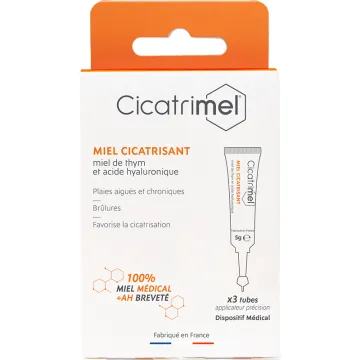
Each wound-healing product acts on one or more of these phases—medical honey on the inflammatory and proliferative phases, and silicone gel on the remodeling phase.
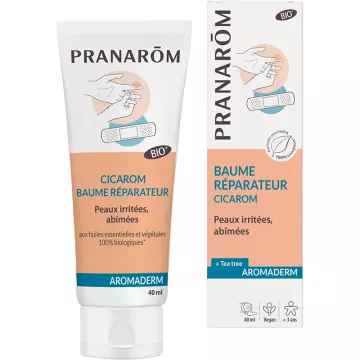
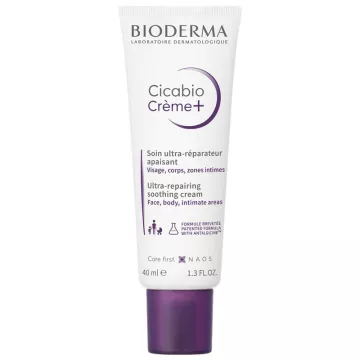
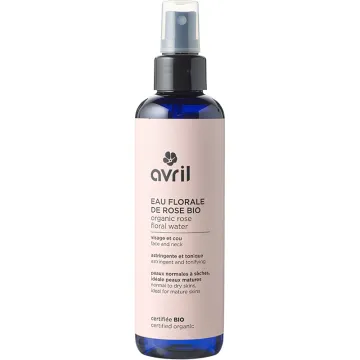
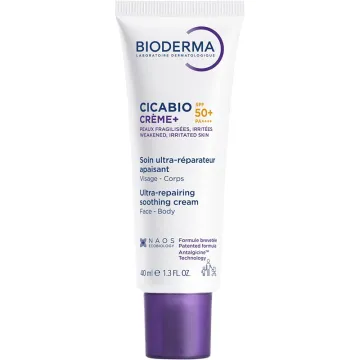
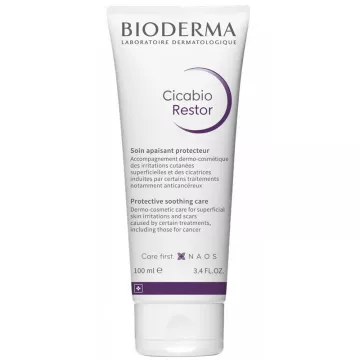
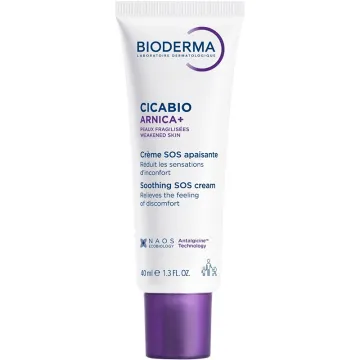
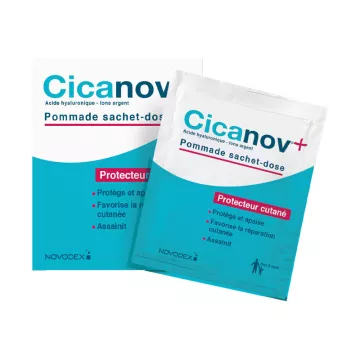
For simple and superficial wounds (scratches, clean cuts, minor abrasions), the basic protocol is: cleaning with soap and water, disinfecting with a mild antiseptic, then applying an active wound-healing product. Bioderma Cicabio Crème+ (zinc, copper, hyaluronic acid, Centella asiatica) is the gold-standard wound healing product for clean, superficial wounds—it stimulates collagen synthesis and accelerates re-epithelialization in a moist environment. Pranarom Cicarom Balm (essential oils of fine lavender, niaouli, and rockrose in a coconut oil base) is an effective natural alternative for minor wounds. Rose floral water (Avril Bio) is an anti-inflammatory and moisturizing spray ideal for superficial sunburns before applying an emollient wound-healing product.
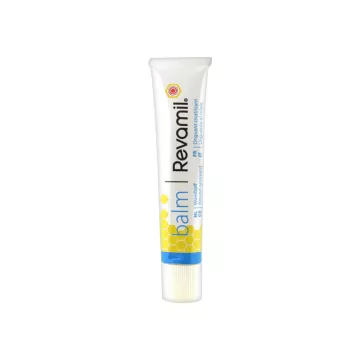
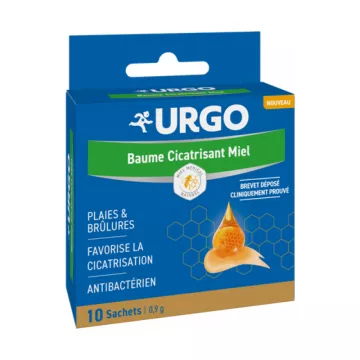
Revamil 25% Honey Healing Balm is a sterilized (gamma-irradiated) medical-grade honey indicated for chronic wounds that are difficult to heal (bedsores, venous ulcers, postoperative wounds). Its wound-healing action is based on three mechanisms: osmotic action (drainage of tissue fluid and reduction of edema), production of low-concentration hydrogen peroxide (antibacterial action without cytotoxicity), and the presence of natural growth factors. On mildly infected wounds, it exerts a broad-spectrum antimicrobial effect on bacterial biofilms—including resistant bacteria—without promoting antibiotic resistance. It is significantly superior to conventional wound care products for deep, granulating, and malodorous wounds.
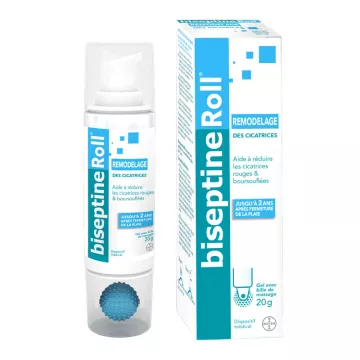
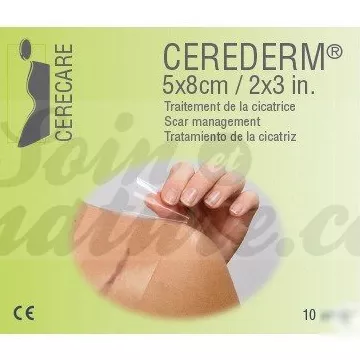
Kelo-Cote (100% medical-grade silicone gel) is the gold standard treatment for hypertrophic scars and keloids—these pathological scars that grow beyond the edges of the original wound. It works in two ways: occlusive moisturization (reducing transepidermal water loss, which normalizes overactive fibroblasts) and reducing pressure on the scar. Biseptine Roll-On Scar Gel (silicone + depigmenting agent) combines the occlusive-moisturizing action of silicone with a skin-lightening agent to simultaneously reduce the raised appearance and pigmentation of a recent scar. These gels should be applied to a fully healed scar (no open wounds) in a thin layer twice daily for at least 3 to 6 months. A gentle glycolic acid peel is sometimes used in conjunction with these treatments for older, pigmented scars—it accelerates cell turnover and improves the penetration of active ingredients.
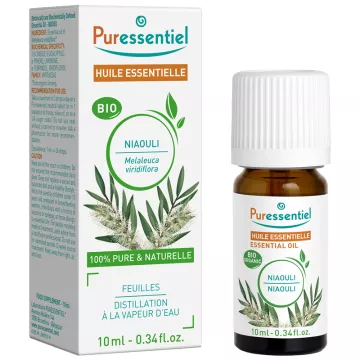
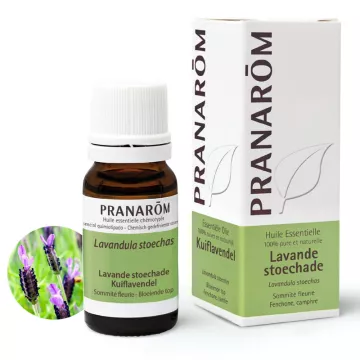
Several essential oils are documented for their healing properties. Fine lavender (linalool + linalyl acetate) is the most versatile—it can be used undiluted on minor burns and clean, superficial wounds, accelerating re-epithelialization and reducing local inflammation. Niaouli (viridiflorol + 1,8-cineole) is the go-to healing essential oil for radiodermatitis (skin burns caused by radiation therapy). Cistus ladaniferus (α-pinene + camphene) is the most powerful hemostatic and healing essential oil—it rapidly coagulates small wounds. Removing dead skin cells with a gentle exfoliant is an essential prerequisite before applying any healing essential oil to an old scar, to maximize the penetration of the active ingredients.