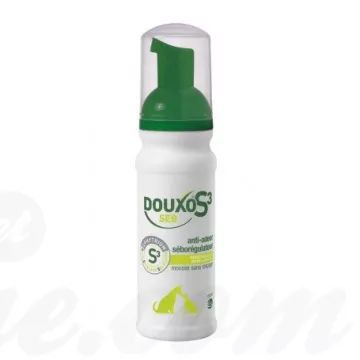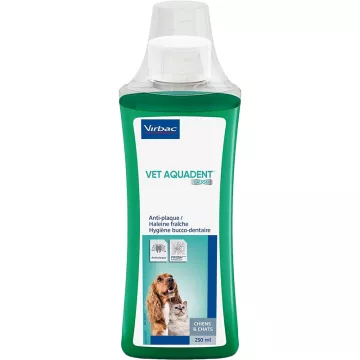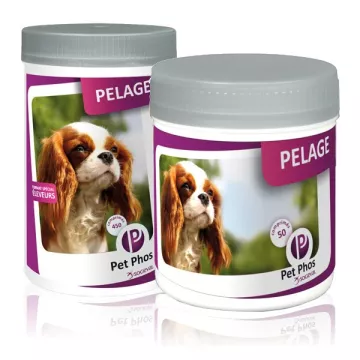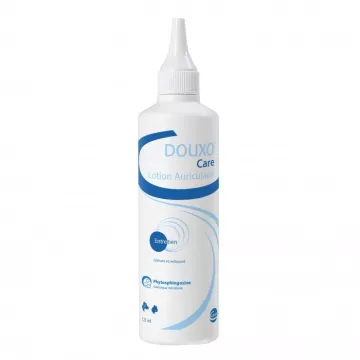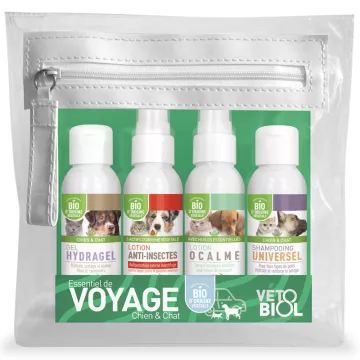
Regular grooming of dogs and cats is an essential part of their overall health. Brushing distributes natural oils along the hair shaft, prevents mats (which can lead to friction-induced dermatitis), and allows for the early detection of parasites or skin abnormalities. Bathing with a suitable shampoo removes bacteria, yeast, and allergens that have accumulated in the coat and reduces itching. Ear cleaning and oral hygiene round out the complete grooming routine. Vitamin E, a fat-soluble antioxidant, protects the cell membranes of the skin and coat—a deficiency manifests as a dull coat and dry skin that is susceptible to skin infections.
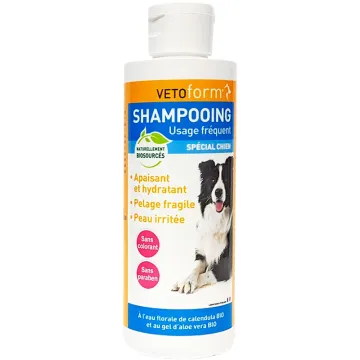
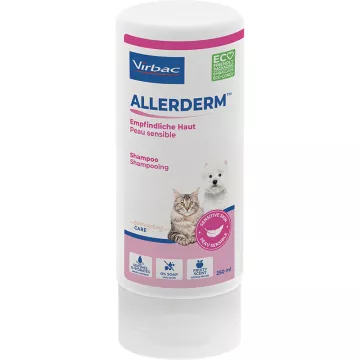
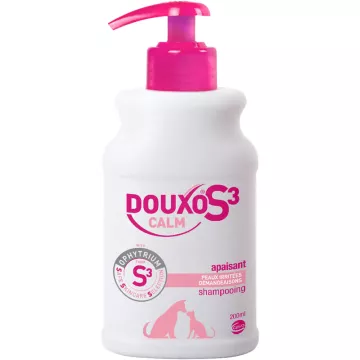
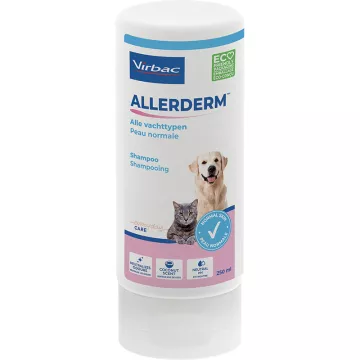
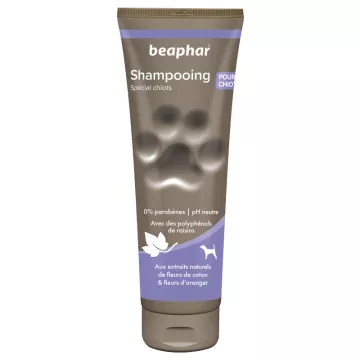
The choice of shampoo determines the animal’s long-term skin health. Here are the main categories based on the dog’s profile:
Always rinse for twice as long as necessary and dry the animal thoroughly—especially in the skin folds and ears—to prevent maceration.
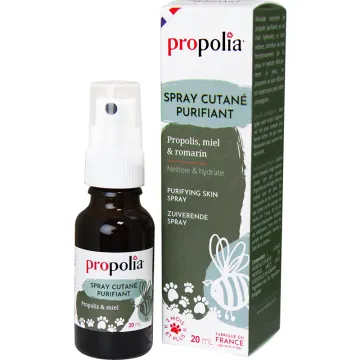
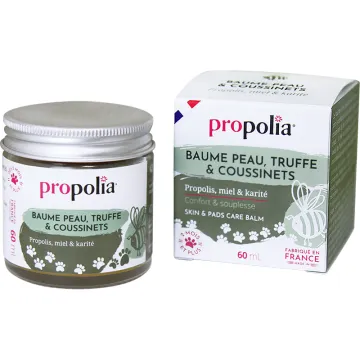
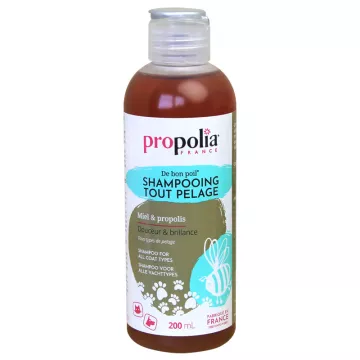
Propolis (purified plant resin) and honey are natural active ingredients of choice for grooming care. Propolis has antibacterial and antifungal effects on the skin’s surface without promoting bacterial resistance—it is particularly recommended for skin prone to recurrent secondary infections. Honey (gluconic acid, low-concentration hydrogen peroxide) combines moisturizing, healing, and antimicrobial properties. Honey-propolis shampoos gently cleanse while leaving a protective film on the hair shaft. The purifying propolis skin spray is applied directly to irritated areas or small wounds between baths. The skin-and-pad balm (propolis + beeswax + vegetable oil) protects areas that come into contact with the ground in dry or cold weather. Calendula (flavonoids and triterpenes) complements these formulas with its soothing and regenerating effect on inflamed skin.
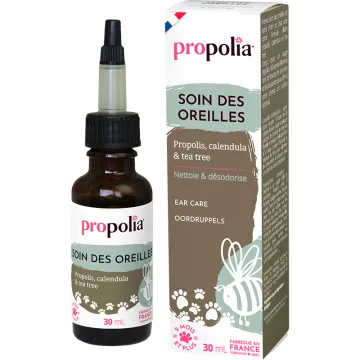
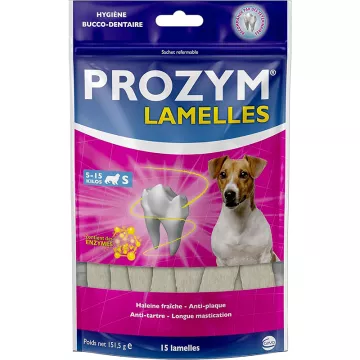
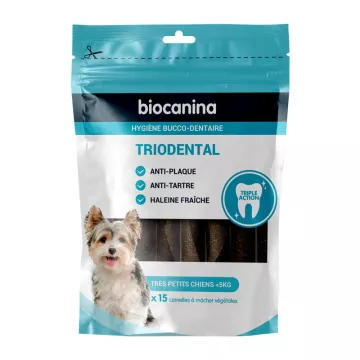
Ear and oral hygiene are two aspects that are often overlooked. Ears should be cleaned with a specific ceruminolytic solution—never with a cotton swab, which pushes secretions deeper into the ear canal. For breeds prone to ear infections (Cocker Spaniels, Labradors, Shar-Peis), weekly cleaning is recommended. For teeth, daily brushing with a veterinary enzymatic toothpaste remains the most effective approach—human toothpaste is toxic to animals. Enzyme-based chew strips (bromelain, lysozyme) are a practical alternative for reluctant dogs. Zinc supports skin and mucosal immunity—a deficiency in zinc contributes to recurrent ear and gum infections in deficient animals.
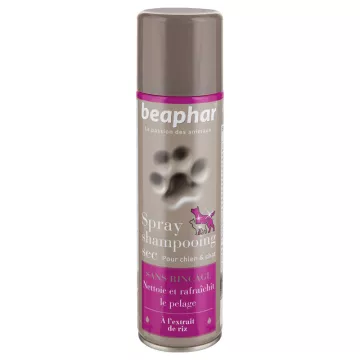
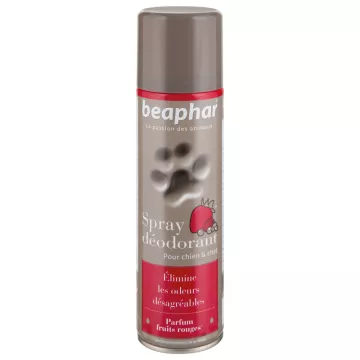
Dry shampoo spray is used for emergency grooming, for sick or weakened animals that cannot tolerate a bath, for puppies or kittens that are too young, or between baths to quickly freshen up a smelly coat. It is applied to dry fur, gently massaged in, and wiped off with a towel or brush—formulas containing silica, rice starch, or oatmeal absorb grease and odors without getting the animal wet.Aloe vera is included in some dry shampoo formulas for its soothing and moisturizing effects on the skin—it is particularly suitable for pets with dry or irritated skin. It should be used in moderation: it does not replace a full bath and does not clean deeply.
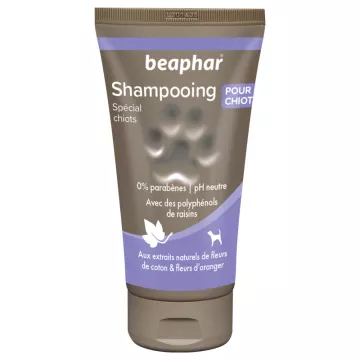
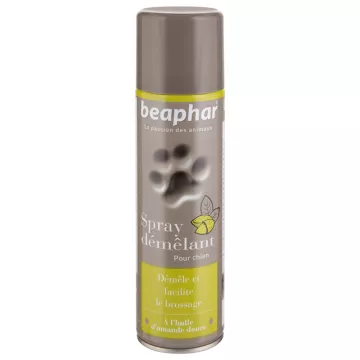
Whether a pet accepts grooming depends largely on early exposure and creating a positive association with bath time. For puppies or kittens, starting with short brushing sessions from the very first weeks—using rewards and a calm, relaxed atmosphere—positively conditions the young animal for life. The water temperature (37°C, lukewarm), a non-slip floor, and a neutral-scented shampoo help reduce stress. Sweet almond detangling sprays make post-bath brushing easier and reduce tugging on tangled fur. These same principles of gentleness and consistency apply to the hygiene of young children —getting them used to it early and gently remains the best investment for daily care that is accepted and stress-free throughout their lives.