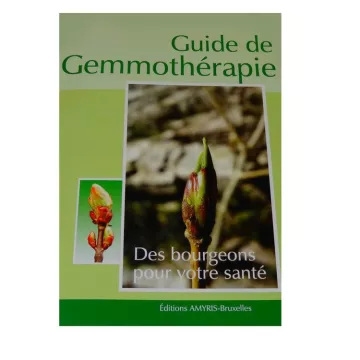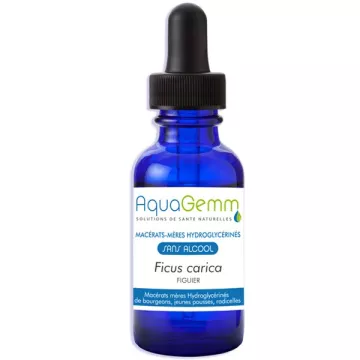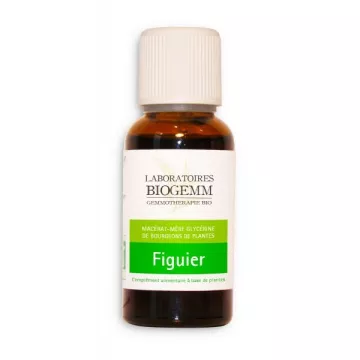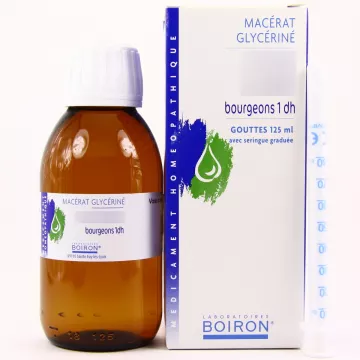
The fig tree bud comes from the common fig tree (Ficus carica), an iconic fruit tree of the Mediterranean region, found in southern and southwestern France. Gemmotherapy uses its fresh buds harvested in the spring, at a time when the embryonic tissue concentrates the bulk of the adult plant’s potential.
In gemmotherapy—a branch of herbal medicine developed from the work of Belgian physician Pol Henry in the 1960s—the embryonic tissues of plants are used: buds, young shoots, and rootlets. The fig tree bud is among the most commonly prescribed macerates, alongsideblack alder, within the broad family of gemmotherapy extracts available in herbal shops and pharmacies.
Fresh fig tree buds contain concentrated levels of the characteristic active ingredients for which they are renowned: flavonoids, phenolic acids, enzymes, polyphenols, and plant growth factors. These compounds are preserved through the cold glycerin maceration process, which maintains the freshness of the embryonic tissue.
The fig tree’s uniqueness in gemmotherapy lies in its primary area of action: the psycho-digestive system, at the intersection of the autonomic nervous system and the digestive tract. It is this dual affinity that explains its traditional use for physical manifestations of stress and nervousness.
The fig tree bud is traditionally used to address nervous-related digestive discomfort: bloating, a heavy feeling after meals, a sensation of a lump in the stomach, and stress-related heartburn. It is part of a daily routine for digestive comfort.
Its use in gemmotherapy is often recommended as a complement to a healthy diet: eating meals in a calm environment, chewing thoroughly, and moderating the intake of stimulants. It is intended as a complementary treatment and does not replace a medical consultation in cases of persistent abdominal pain, debilitating acid reflux, warning signs (weight loss, vomiting, blood), or suspected peptic ulcer, which requires a medical diagnosis and supervised treatment.
On a psycho-emotional level, fig tree buds are used to support conditions of chronic stress, burnout, mental rumination, and generalized anxiety. They serve as a useful complement to natural approaches foranxiety, stress, and sleep.
Its gentle action, without causing significant daytime drowsiness, makes it a popular macerate among active people seeking to restore better-quality sleep without immediately turning to sleeping pills. It naturally fits into the stress, sleep, and relaxation category and helps manage episodes of temporary nervous exhaustion.
Fig tree buds are also used to support women’s health, particularly during hormonal fluctuations at the end of the menstrual cycle and during menopausal transitions. They can be combined with other adaptogenic herbs as recommended by a healthcare professional.
In general, fig tree macerate helps support the body’s natural defenses by strengthening the body’s overall resilience, without acting as a specific immunostimulant. For a more targeted approach, the “immune defense” category in herbal medicine offers other supplements tailored to the specific time of year and individual profile.
Fig tree buds are primarily consumed as a glycerin macerate, a liquid extract obtained by macerating fresh buds in a mixture of water, vegetable glycerin, and pharmaceutical-grade ethyl alcohol. It is also available in an alcohol-free version for those with sensitive constitutions, as part of the alcohol-free gemmotherapy selection.
The standard dosage is between 5 and 15 drops per day, to be taken undiluted under the tongue or diluted in a small amount of water, between meals, preferably in the morning and early evening so as not to interfere with sleep. A typical course of treatment lasts 3 weeks, followed by a one-week break; it may be repeated if necessary, ideally under the guidance of a licensed pharmacist or naturopath.
Fig tree buds lend themselves well to gemmotherapy combinations to target specific conditions more precisely. These synergies are standard formulations in materia medica, derived from the tradition of Pol Henry and Max Tétau.
Combining it with linden buds enhances its calming effect and improves sleep quality. Blackcurrant buds, valued for their support of joint comfort and overall vitality, complement the fig tree buds in cases of fatigue. Walnut buds, traditionally used to balance the intestinal flora, are combined with fig tree buds to support digestive comfort. The Herbalgem line of bud extracts offers several of these macerates, either as pure extracts or in complex formulations.
Fig tree bud is generally well tolerated at recommended doses. However, there are a few guidelines for use to ensure the safety of the treatment.
Use is not recommended during pregnancy and breastfeeding due to a lack of sufficient studies, nor for children under twelve years of age without a healthcare professional’s advice. People allergic to figs or plant-based latex should exercise caution. The glycerin macerate containsethyl alcohol, which should be noted if taken by a patient in withdrawal or by a child: opt for the alcohol-free form. As with any complementary therapy, if you are currently taking medication (particularly psychotropic drugs, antidepressants, anxiolytics, or chronic gastric medications), it is recommended to consult a pharmacist or your primary care physician before beginning treatment.
The quality of a gemmotherapy macerate is determined as early as the bud harvest. Several selection criteria help distinguish a reliable product from a low-quality macerate.
Opt for fresh buds from organically certified farms (AB or Ecocert), which guarantee the absence of pesticides and respect for the natural resource. Check for the label “1D concentrated mother macerate ” or the equivalent dilution, which corresponds to Pol Henry’s original protocol, rather than very diluted, low-potency versions. Traceability of the fig tree’s origin, the harvest date, and French or European manufacturing are also indicators of quality. Phytotherapy deserves the same rigorous scrutiny as any health product.
For informational purposes, the artisanal production of a glycerin macerate is documented in gemmotherapy texts. It is reserved for trained professionals and does not replace the analytical reliability of macerates produced in a pharmaceutical laboratory.
The protocol involves harvesting fresh buds in the spring, preparing a ternary solvent (one-third spring water, one-third vegetable glycerin, one-third 40° food-grade ethyl alcohol), a three-week maceration at room temperature with regular shaking, followed by filtration and storage in a tinted bottle away from light and heat. The final concentration, microbiological stability, and traceability of an artisanal product remain inferior to those of a pharmaceutical macerate, which in practice justifies giving preference to certified products sold in pharmacies for therapeutic use.