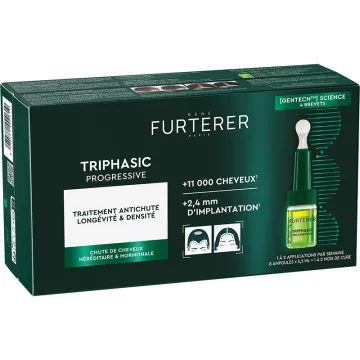
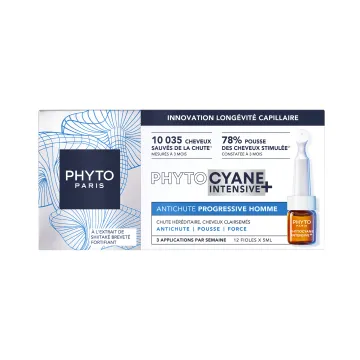
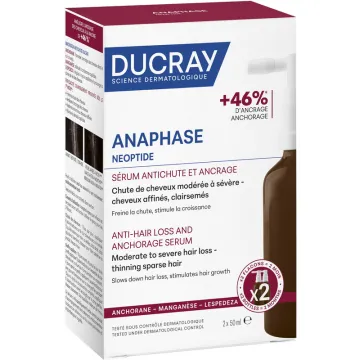
A hair loss solution refers to any product or practice designed to reduce hair loss or maintain hair density. This term encompasses a wide range of options: medications subject to strict medical regulations, complementary cosmetic treatments, dietary supplements, and lifestyle changes. It is essential not to confuse them. Hair loss can have many causes, and any significant or persistent hair loss requires a medical evaluation before purchasing any product. This page breaks down each category to help you understand your options, keeping in mind that no over-the-counter product can replace a diagnosis from a dermatologist or hair specialist.
Hair loss can result from a wide variety of causes, which is why a diagnosis is essential. Among the main causes are:
Each cause requires a different approach. That is why identifying the root cause of hair loss—rather than applying a one-size-fits-all solution—is key to the effectiveness of any treatment.
Certain hair loss treatments fall strictly within the medical domain and are not cosmetics. Minoxidil is a topical treatment available in different concentrations, to be used under the guidance of a healthcare professional and according to specific instructions. Finasteride is a prescription-only medication: it acts on the hormonal mechanism underlying alopecia and carries significant contraindications, including a strict prohibition for use by pregnant women due to its toxicity to the fetus. These treatments should never be taken lightly or combined without medical advice. Only a dermatologist can assess their suitability based on your specific situation, as well as their expected benefits and risks. None of these medications can be purchased like a simple hair care product: medical supervision is required.
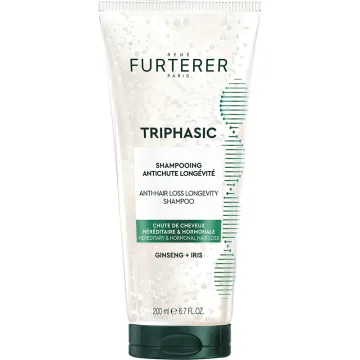
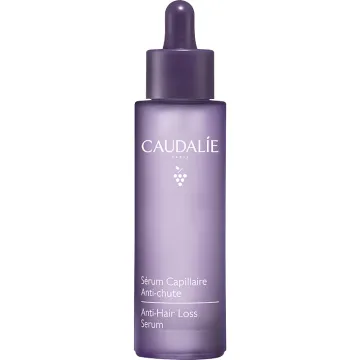
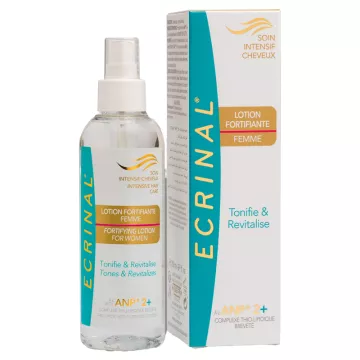
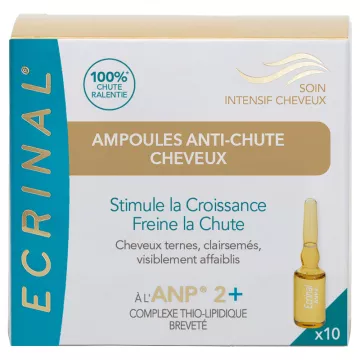
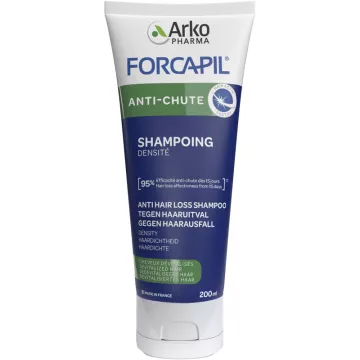
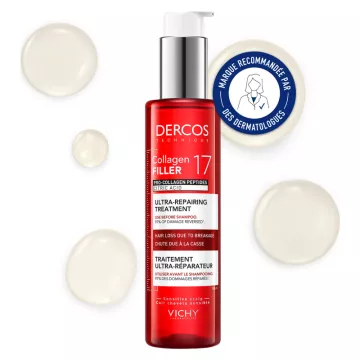
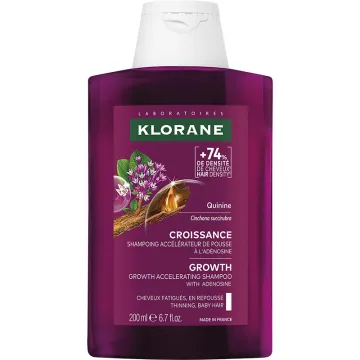
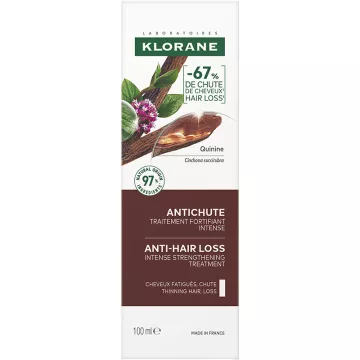
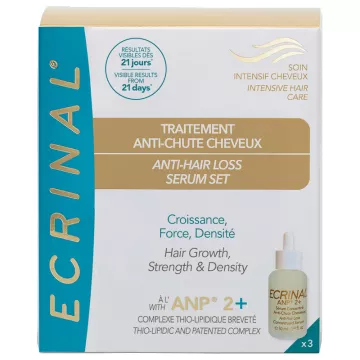
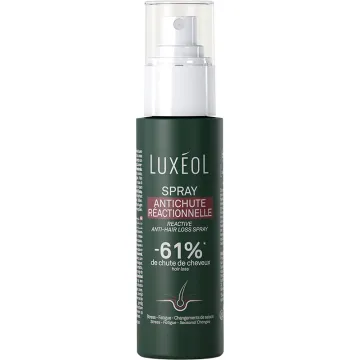
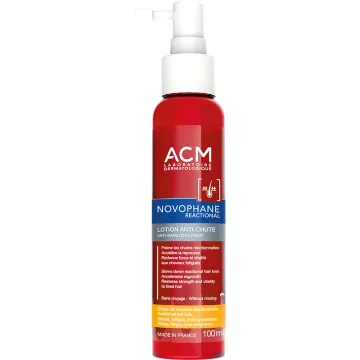
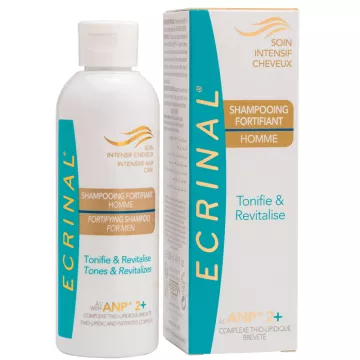
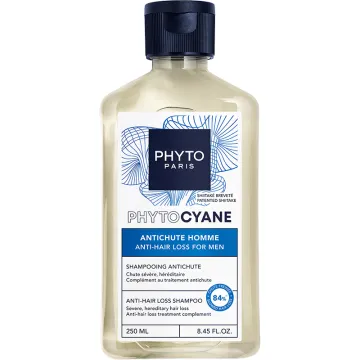
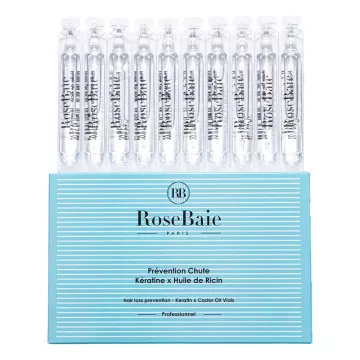
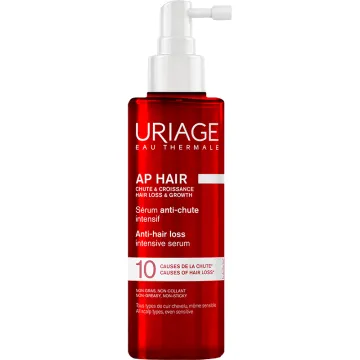
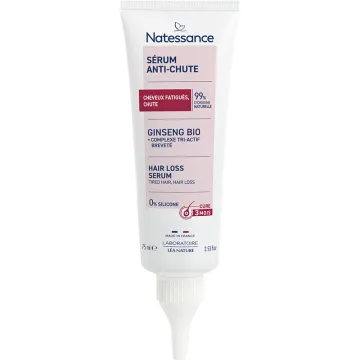
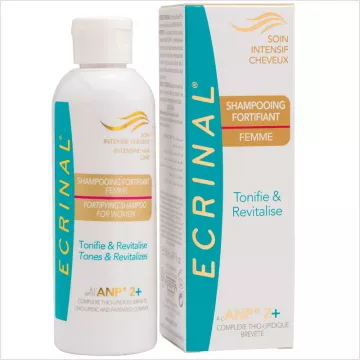
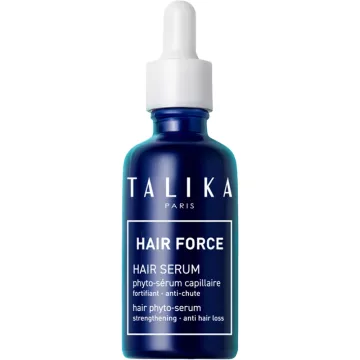
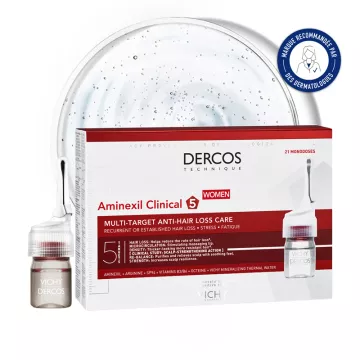
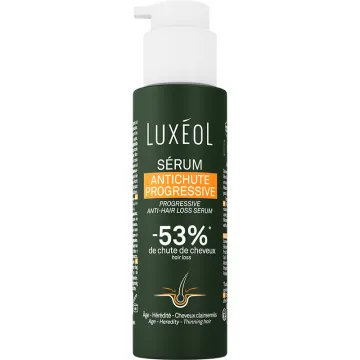
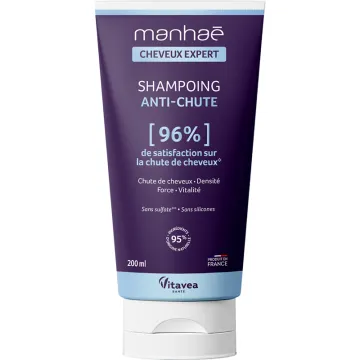
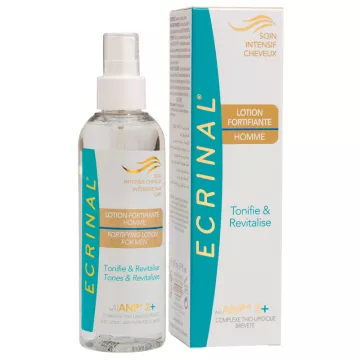
Cosmetic hair loss products (shampoos, serums, lotions) are designed to provide support and comfort, not as a medical treatment. A fortifying shampoo strengthens the appearance of weakened hair strands, while a redensifying shampoo adds body and volume to thinning hair. These products improve the appearance and comfort of the scalp but do not alter the hair growth cycle or the number of hairs. Traditional remedies such as castor oil, aloe vera, or scalp massages provide welcome comfort without proven effectiveness against established hair loss. They serve as a gentle complement to a comprehensive approach, never as an alternative to medical care when it is necessary.
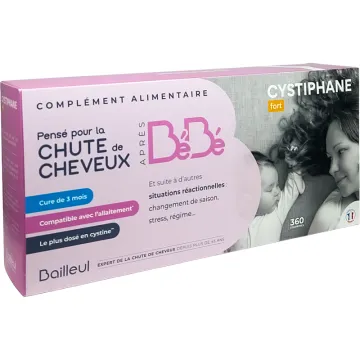
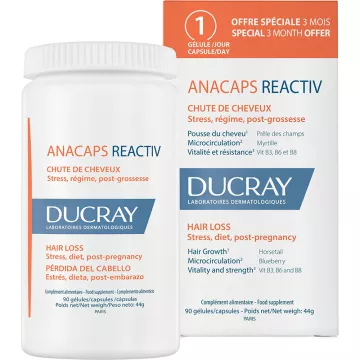
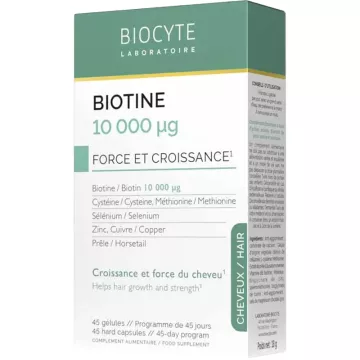
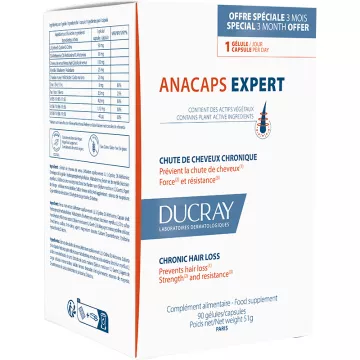
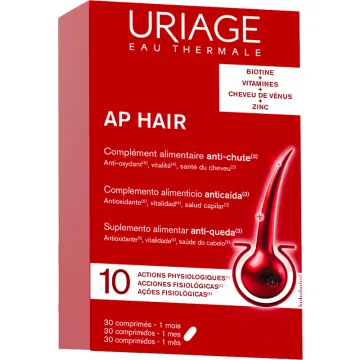
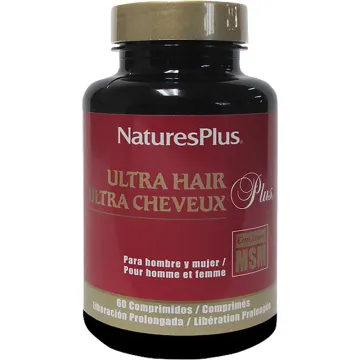
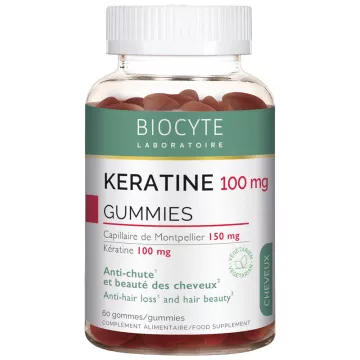
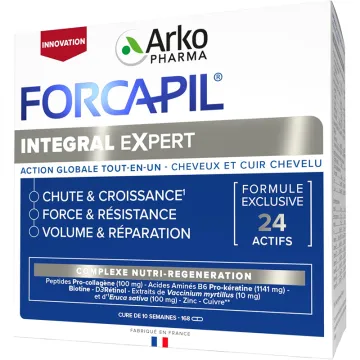
A balanced diet plays a real role in hair health. A deficiency in certain nutrients can weaken the hair, and correcting this deficiency is part of the treatment plan. Several micronutrients have recognized nutritional claims: biotin (B8), zinc, and selenium help maintain normal hair, while iron helps reduce fatigue. Omega-3s and an adequate protein intake also support nutritional balance. However, supplementation is only beneficial in cases of proven deficiency, ideally confirmed by a medical evaluation: taking supplements without an actual deficiency provides no proven benefit for hair density.
The mechanisms of hair loss often differ by gender, due to hormonal factors and distinct patterns of hair loss. In men, androgenetic alopecia frequently manifests as thinning at the temples and crown. In women, hair loss is often more diffuse, and certain situations are specific, such as postpartum hair loss (generally reactive and temporary) or the hormonal changes associated with menopause. Medical treatments such as minoxidil are, in fact, offered in concentrations tailored to gender, always under professional supervision. This difference in mechanism explains why the same product is not suitable for everyone: the diagnosis must take into account hormonal profile, age, and individual circumstances. Sudden or significant hair loss in women particularly warrants a consultation, as it may indicate an underlying cause that needs to be investigated.
Patience is essential when dealing with hair loss. Since the hair growth cycle is slow, the results of any treatment—whether medical or nutritional—are generally not visible until three to six months, or even longer. This timeframe is due to the duration of the hair growth phases. It is therefore pointless to expect immediate results or to use multiple products in the hope of speeding up the process. Consistency and follow-through are key. Combining different approaches (cosmetic treatments, supplements to address deficiencies, lifestyle changes) can be effective, but any combination of active treatments must be approved by a healthcare professional to avoid interactions. Assessing actual effectiveness requires several months of follow-up and, ideally, monitoring by a hair health specialist.
A consultation is recommended at the first signs of excessive hair loss or a visible decrease in density, rather than waiting until significant hair loss occurs. A dermatologist or trichologist can diagnose the underlying cause, distinguish between temporary hair loss and progressive alopecia, and recommend the most appropriate course of treatment. Certain signs should be cause for particular concern: sudden and heavy hair loss, localized patches of thinning, itching or inflammation of the scalp, or hair loss accompanied by other symptoms. To reduce aggravating factors in daily life, it’s a good idea to avoid hairstyles that are too tight, limit harsh chemical treatments, manage stress, and maintain a balanced diet. But when faced with actual hair loss, a medical diagnosis remains the essential first step.