A radiant, luminous complexion rests on three cosmetic pillars: an even skin texture (free of spots or localized hyperpigmentation), adequate hydration that better reflects light, and regular cell turnover that prevents the buildup of dull, dead skin cells. The goal is not to lighten the skin as a whole—a practice that offers no benefits and carries risks—but to reveal its natural radiance by addressing the factors that dull it on a daily basis. A consistent routine combines targeted active ingredients, rigorous sun protection, and a healthy lifestyle for visible results in 6 to 12 weeks.
Several well-documented active ingredients are effective against localized pigment spots:
Leading brands: Pigmentclar by La Roche-Posay, D-Pigment by Avène, Pigmentbio by Bioderma, Mélascreen by Uriage, Anti-Pigment by Eucerin. Apply 1 to 2 times a day for at least 8 to 12 weeks, strictly in conjunction with a supervised dermo-cosmetic depigmentation regimen.
Three key vitamins work synergistically to improve the complexion. Vitamin C serum (10–20%) remains the most well-documented cosmetic antioxidant: it neutralizes free radicals responsible for a dull complexion, reduces pigmentation spots, and stimulates collagen synthesis. Vitamin E protects skin lipids and enhances the effects of vitamin C. Retinol (cosmetic vitamin A), used in a gradual regimen, accelerates cell turnover and targets residual dark spots. Recommended use: vitamin C in the morning, retinol in the evening—never use them together in the same skincare routine.
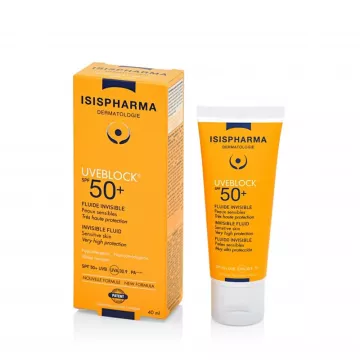
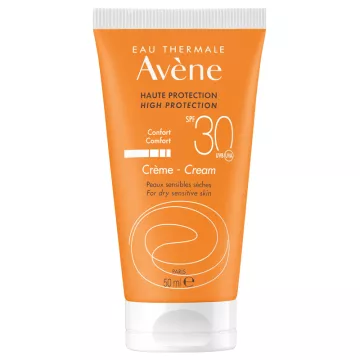
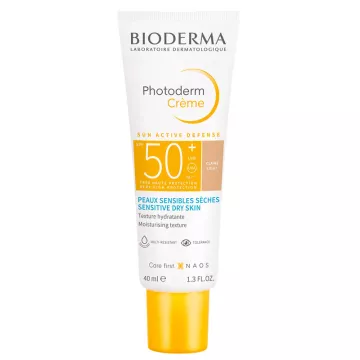
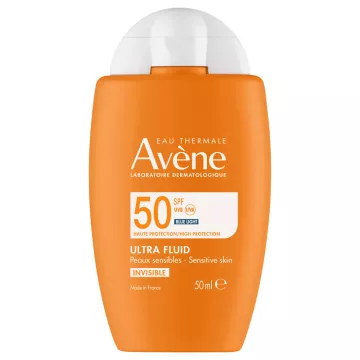
Without daily SPF 30 to 50 sun protection, no skin-brightening treatment will be long-lasting—UV rays remain the primary factor in the appearance and worsening of pigmentation spots. Apply in the morning, summer and winter, indoors and outdoors (UVA rays penetrate glass). Opt for tinted mineral formulas that visually cover imperfections while providing protection (Avène Mineral 50, La Roche-Posay Anthelios Pigmentation, Bioderma Pigmentbio Daily Care, Uriage Photoderm Mineral). Reapply every 2 hours during direct sun exposure; see also the section on sun protection.
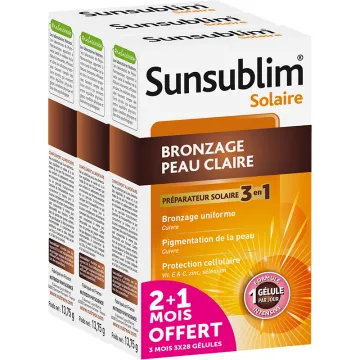
Oral supplements effectively complement topical skincare:
Lifestyle choices directly influence the quality of the complexion, which becomes apparent after 6–8 weeks. A diet rich in antioxidants (berries, colorful vegetables, green tea, dark chocolate 70%+), omega-3s (fatty fish, flaxseeds, walnuts), and low in simple sugars and ultra-processed foods supports skin microcirculation and reduces inflammation. Quality sleep (7 to 9 hours per night) is essential: cell regeneration occurs primarily at night, a time when blood flow to the skin increases.Staying hydrated (1.5 to 2 L of water per day) maintains the skin’s elasticity and plumpness, contributing toa radiant complexion.