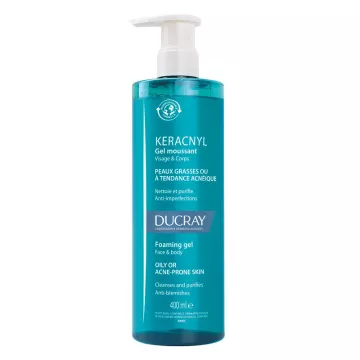
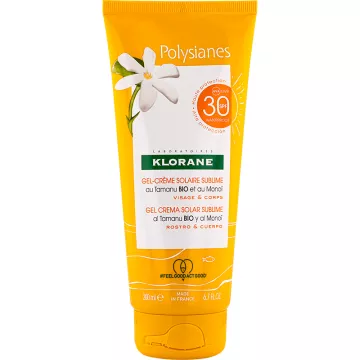
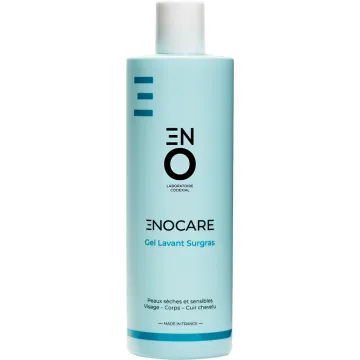
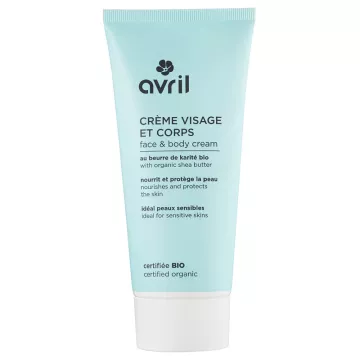
Several natural ingredients form the basis of an effective facial skincare routine:aloe vera for its moisturizing and soothing effects, jojoba oil, which blends well with the skin’s hydrolipidic film and is suitable for many skin types, green tea for its antioxidant polyphenols,argan oil, which is rich in vitamin E, and floral waters such as rose water for their toning effects and sensory appeal. Note: A natural ingredient is not synonymous with universal tolerance; some may cause sensitivity. A patch test on the inner elbow for 24 to 48 hours is recommended for reactive skin.
Incorporating natural body care can start with a few simple steps: a gentle exfoliation with fine sugar or sea salt once a week; applying plant-based oils ( coconut oil, sweet almond oil, jojoba oil) to slightly damp skin after showering, choosing mild soaps or ultra-moisturizing syndets, and applying shea butter to dry areas (knees, elbows, heels) at bedtime. These steps are meant to be part of a long-term routine and can be adapted to the season.
Applying facial skincare follows a simple routine: gentle cleansing, toning (for example, with a floral water), a serum tailored to your current needs (hydration, radiance, firmness), and then a moisturizer. Always use gentle, upward strokes. In the morning, finish with sunscreen (SPF 30 or 50) to protect against UV damage. In the evening, be sure to thoroughly remove all makeup to maintain skin comfort and prevent clogged pores.
Several natural remedies can help relieve common skin discomforts on the body:tea tree essential oil diluted in a vegetable oil for its localized purifying effect, a warm colloidal oatmeal bath to soothe widespread irritation, and a mixture of olive oil and honey for occasional nourishing treatment of dry skin. These approaches are meant to complement a good skincare routine and should never replace a medical diagnosis in cases of skin conditions (eczema, psoriasis, recurrent hives, inflammatory acne).
Choosing natural products often stems from a desire to simplify one’s routine, prioritize recognized ingredients, and reduce the number of synthetic active ingredients on the skin. Many natural formulas are rich in plant-based emollients, humectants, and antioxidants. However, even a well-designed natural formulation does not exempt you from the usual rules: choosing products suited to your skin type, conducting a tolerance test, adhering to the use-by date (PAO), and storing products properly to prevent the degradation of sensitive active ingredients.
To identify a truly natural product, look for several indicators:
Natural skincare products often feature simpler formulas, the use of plant-based raw materials, and the absence of certain controversial ingredients (long-chain parabens, silicones, etc., depending on the brand). They are often part of a broader commitment to environmental responsibility (responsible sourcing, recyclable packaging). When it comes to effectiveness, the key factor remains the formulation: a well-formulated natural skincare product can be just as effective as a conventional one, provided it has the right concentration of active ingredients and good stability.
Making your own skincare products is possible for a few simple preparations: a sugar and olive oil scrub, a relaxing bath with Epsom salts, or a clay body mask (prepared fresh). Important precautions: use clean containers, prepare in small quantities (homemade preparations do not have the same stability as packaged cosmetic products), do not apply to broken skin, and check for allergies to the ingredients used. If essential oils are included, they require precise dosing and all the usual precautions (pregnancy, breastfeeding, children, sensitization).
For a gentle transition to natural skincare, it’s best to replace your products one by one, starting with the simplest products (body moisturizer, soap, exfoliator) before moving on to more specialized treatments (serum, anti-aging cream). Give your skin a few weeks to adjust, watch for any reactions, and make adjustments as needed. If you have sensitive, reactive skin, or skin prone to conditions, consulting a dermatologist can help you choose formulas that are truly well-tolerated.
Each skin type has its own needs: dry skin tends to require nourishing and emollient products; combination to oily skin needs balancing, non-comedogenic products; sensitive skin requires simple, well-tolerated formulas; and mature skin benefits from targeted active ingredients (cosmetic retinol, peptides, antioxidants). A well-tailored routine respects the hydrolipidic film and minimizes reactions, whether you choose natural or conventional skincare products. To learn more about your daily routine, visit our hydration page.
Seasonal changes alter the skin’s needs. In winter, the dry cold and heated air weaken the hydrolipidic film: switch to richer products (shea butter, nourishing plant oils, occlusive balms). In summer, heat, sweat, and sun exposure require rigorous SPF protection and lighter textures (gels, fluids). In spring and fall, balancing skincare products help ease the transitions. The page on caring for your face and eyes provides additional advice for each season.
The two terms are often used interchangeably, but they do not refer to the same thing. A “natural” skincare product is based on ingredients of plant, mineral, or animal origin (not synthetically produced), with no guarantee regarding how they were cultivated. An “organic” skincare product is governed by specific standards: a minimum percentage of ingredients of natural origin, some of which must come from organic farming; regulated manufacturing methods; and certification by an independent organization. The organic cosmetics label provides these additional guarantees.
No skincare product, whether natural or not, can reverse skin aging —a normal biological process. However, several naturally derived ingredients can visually reduce the signs of aging: rosehip oil, rich in fatty acids and natural vitamin A; stabilized vitamin C to support radiance; and hyaluronic acid to hydrate the skin’s surface layers. Cosmetic retinol (distinct from medical retinoids, which are prescription-only and contraindicated during pregnancy) is also used in well-formulated natural products. Sun protection remains, in all cases, the most effective anti-aging measure.
Body acne (on the back, shoulders, and décolleté) can be managed with a few natural approaches: topical application of tea tree essential oil diluted in a carrier oil (such as jojoba), soothing aloe vera gels, and gentle daily cleansing without excessive rubbing. Essential oil precautions: Not recommended during pregnancy or while breastfeeding, or for children under 7 years of age, and should always be diluted. These measures are never a substitute for a dermatological consultation in cases of widespread, painful, or scarring inflammatory acne: medical treatment (topical or systemic) will be the best option in such cases.
Several natural face masks address specific needs:
Applied once a week to cleansed skin for 5 to 15 minutes, depending on the formula, these masks fit naturally into your routine. Avoid using them on damaged skin or during inflammatory flare-ups (eczema, severe acne).