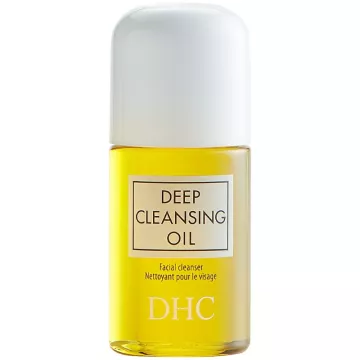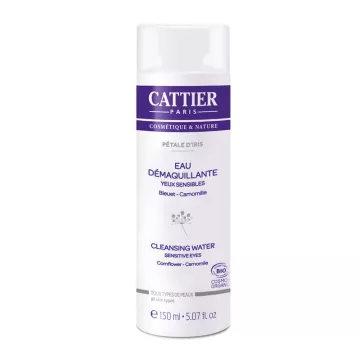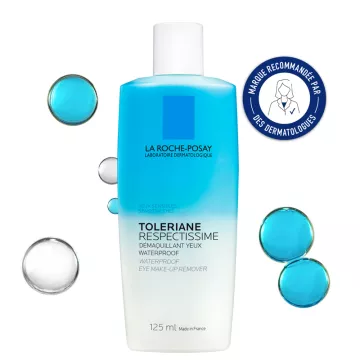
Taking care of your face starts with a simple, consistent daily routine. Cleansing in the morning and at night with a gentle product suited to your skin type removes impurities, excess oil, and makeup residue. Applying a moisturizer afterward (with sunscreen in the morning) helps maintain skin comfort. A gentle exfoliation once a week supports surface skin renewal without irritating the skin. To learn more, check out our comprehensive guide to dailyhydration.
Skin protection starts with daily sunscreen (SPF 30 or 50) to limit the impact of UV rays, the main factor in photo-induced skin aging. To combat pollution and dry, cold weather, skincare products rich in topical antioxidants (vitamin C, vitamin E, polyphenols) and a nourishing balm in the winter round out the routine. Beyond cosmetics, avoiding the main aggravating factors (smoking, excessive sun exposure) is just as important as the products you use.
The eye area is particularly delicate and deserves specialized care. A well-tolerated eye cream helps maintain comfort and radiance around the eyes by minimizing the appearance of dark circles and puffiness. Beyond skincare, paying attention to sleep quality, hydration, and overall eye health helps maintain a fresh-looking appearance over the long term.
A varied diet contributes to skin balance and visual comfort. Foods rich in antioxidants (berries, leafy greens, citrus fruits), omega-3s (fatty fish, nuts, canola or flaxseed oil), and carotenoids (carrots, sweet potatoes, spinach) are particularly beneficial. Lutein and zeaxanthin, found in leafy green vegetables, are macular pigments that have been extensively studied for their role in eye health. These nutritional benefits are part of a holistic approach to a healthy lifestyle.
Chronic stress can affect sleep quality, eye comfort (eye strain, twitching, dryness), and skin balance (acne breakouts, eczema, seborrheic dermatitis). To better manage stress, practices such as meditation, sophrology, mindful breathing, regular physical activity, or simply taking breaks outdoors are recognized as helpful. In cases of intense stress or persistent symptoms, support from a healthcare professional remains invaluable.
Aging is a natural process: no cosmetic product can “reverse” it, but there are several steps you can take to visually minimize its signs. For the face, skincare products enriched with cosmetic retinol, peptides, vitamin C, or hyaluronic acid help maintain the skin’s radiance and suppleness. These should be distinguished from medical retinoids (prescription-only, contraindicated during pregnancy). For the eyes, using eye cream, wearing UV-filtering sunglasses, and monitoring your eye health are key to maintaining a youthful appearance over the long term. Additional medical procedures (such as chemical peels, laser treatments, and aesthetic medicine) should be performed by a doctor.
Several signs warrant medical attention:
Any unusual changes should prompt a visit to a dermatologist or ophthalmologist, depending on the situation. In the event of a severe allergic reaction (facial swelling, difficulty breathing suggestive of angioedema), call 15 or 112 immediately.
Product selection should be based on your skin type (dry, normal, combination, oily) and your current needs. For the eye area, which is particularly sensitive, opt for gentle, well-tolerated products—ideally fragrance-free and ophthalmologist-tested. For the face, look for non-comedogenic formulas with a short list of ingredients. If in doubt or if you have a specific concern, a dermatologist’s advice is always the best guide.
Air pollution (fine particulate matter, ozone, nitrogen oxides) causes oxidative stress, which can contribute to skin aging and eye discomfort in urban environments. To minimize these effects, incorporate topical antioxidants (vitamin C, vitamin E, niacinamide) into your daytime routine and thoroughly cleanse your skin in the evening. For the eyes, sunglasses with UV filters primarily protect against UV rays but also provide a partial mechanical barrier against airborne particles on windy days or in heavily polluted environments.
Certain practices contribute to visual comfort, particularly in cases of digital eye strain:
These practices have no proven effect on structural vision disorders (myopia, presbyopia, astigmatism), which require ophthalmological care. However, they do contribute to daily visual comfort during prolonged screen use.
Adequate hydration is essential for both skin and eye comfort. For the skin, it maintains the suppleness of the hydrolipidic film, reduces the appearance of dehydration lines, and promotes a radiant complexion. For the eyes, it helps reduce feelings of dryness, which are common in air-conditioned environments or while looking at a screen. To protect the tear film, blink regularly, take breaks from screens, and drink water throughout the day.
Quality sleep contributes to skin health (nighttime repair, microcirculation) and visual comfort (accommodative rest, ocular lubrication). Conversely, insufficient or disrupted sleep can result in more pronounced dark circles, a dull complexion, increased sensitivity, and daytime eye strain. Aiming for about 7 to 9 hours of sleep per night, depending on individual needs, is a recognized guideline that should be adjusted according to age and lifestyle.
Exfoliation helps remove dead surface cells, supports superficial skin renewal, and improves the absorption of skincare products. For the face, opt for gentle scrubs (fine-grained, enzymatic exfoliants, or AHA/BHA at an appropriate concentration) no more than once or twice a week. Those with sensitive skin may limit this to once a week, or even less. Avoid: highly abrasive scrubs and exfoliation on damaged skin or skin experiencing an inflammatory flare-up. Chemical exfoliants (AHAs, BHAs, glycolic acid) make the skin more sensitive to sunlight: sunscreen is essential in the days following use.
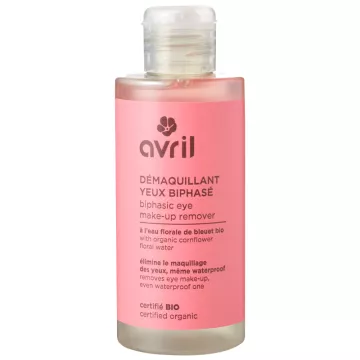
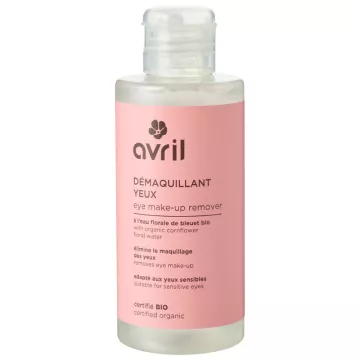
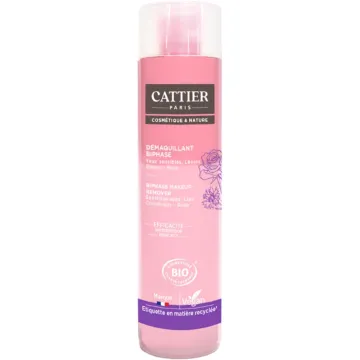
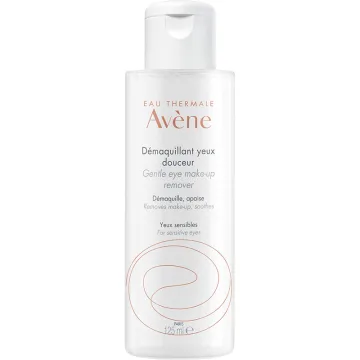
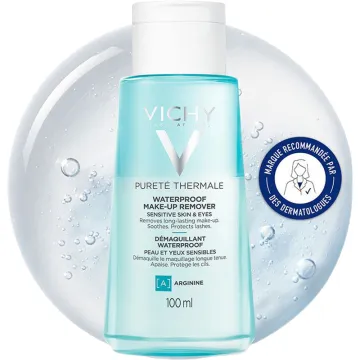
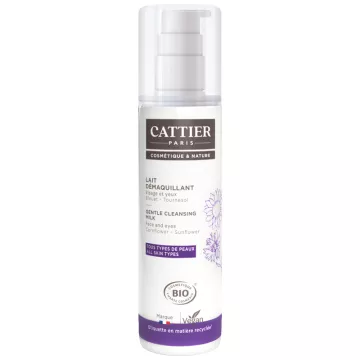
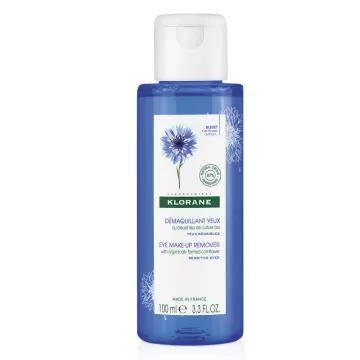
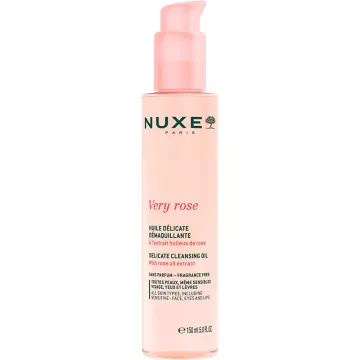
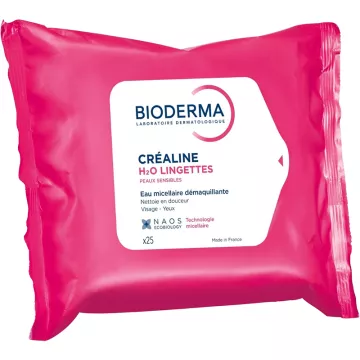
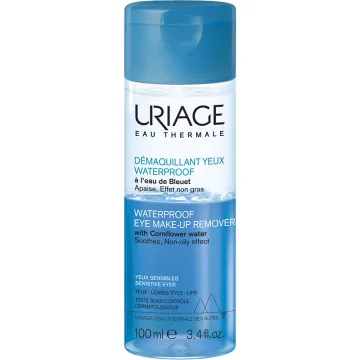
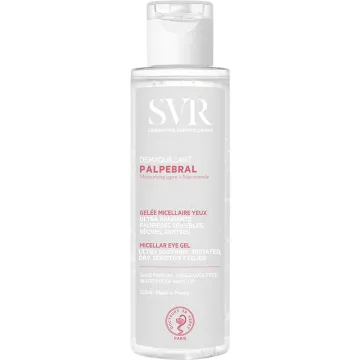
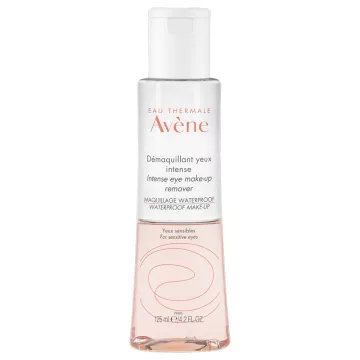
Makeup is not inherently harmful to the skin or eyes, provided you choose high-quality products suited to your skin type and remove them every night. For the skin, opt for non-comedogenic formulas. For the eyes, look for products that are ophthalmologist-tested, especially if you wear contact lenses or have sensitive eyes. Careful makeup removal every night, using a gentle product suitable for the eye area, prevents irritation and blockage of the eyelid glands (Meibomian glands). Use-by dates (PAO) must be strictly observed for products that come into direct contact with the eye.
Tobacco is one of the most significant accelerators of skin aging: it impairs microcirculation, breaks down elastic fibers and collagen, and contributes to a duller complexion and more pronounced wrinkles. It also increases the risk of certain eye conditions (age-related macular degeneration, cataracts).Alcohol, when consumed excessively or regularly, can lead to dehydration, persistent redness (rosacea), and disrupt sleep. Reducing or avoiding these habits is, in the long term, one of the most powerful ways to preserve skin health and eye comfort. For those who wish to quit, medical support (from a primary care physician, addiction specialist, or tobacco cessation specialist) remains the best course of action.