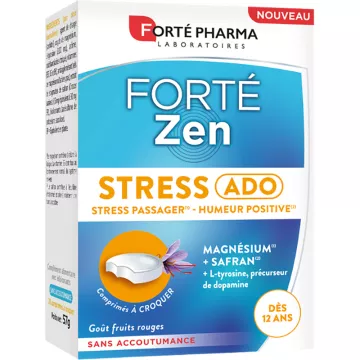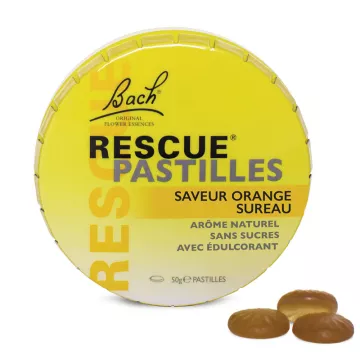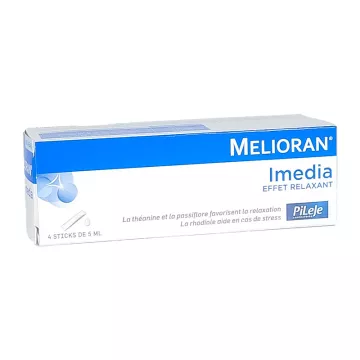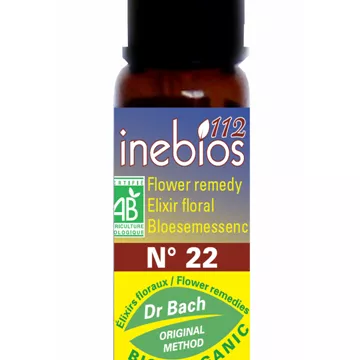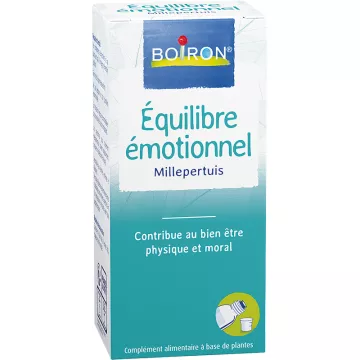
Emotional balance refers to the ability to experience and navigate one’s emotions—both positive and negative—without being overwhelmed by them, and to naturally return to a state of inner stability after every storm. It’s not about suppressing emotions or putting on a calm facade, but about developing emotional flexibility that allows you to respond appropriately to events. This balance rests on several biological and psychological pillars: neurotransmitter regulation (serotonin, dopamine, GABA), sleep quality (nocturnal emotional resilience), stress management (cortisol axis), and gut microbiota health (gut-brain axis—95% of serotonin is produced in the gut). A wide range of natural approaches supports this balance—from Bach Flower Remedies to specialized dietary supplements.
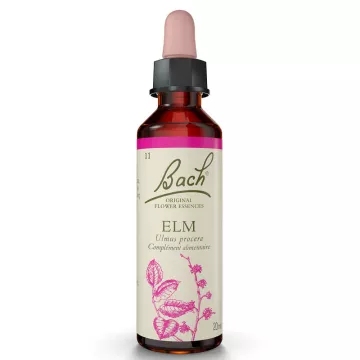
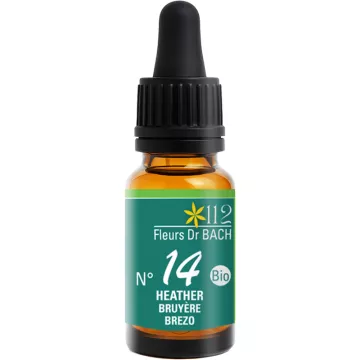
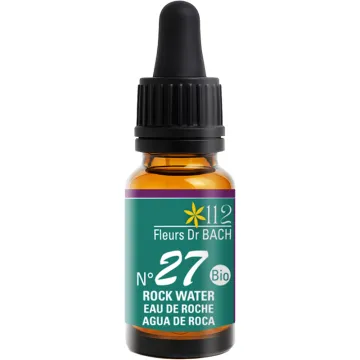
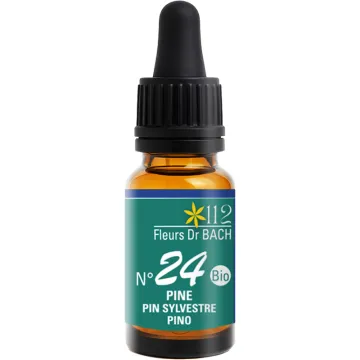
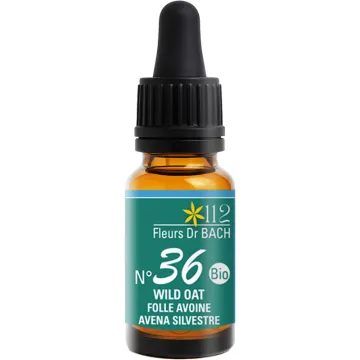
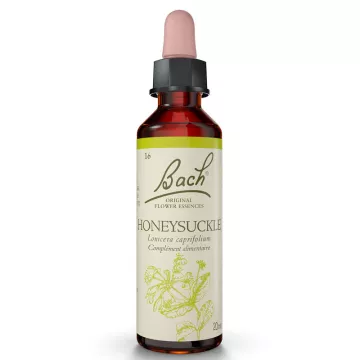
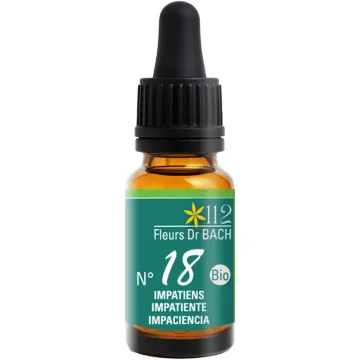
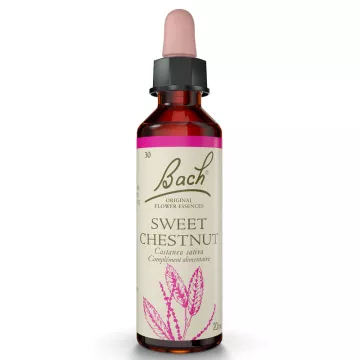
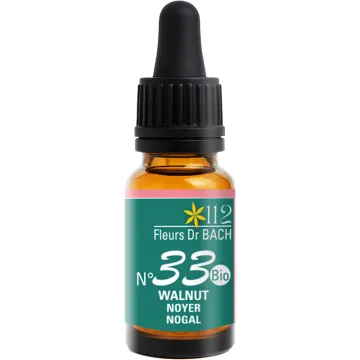
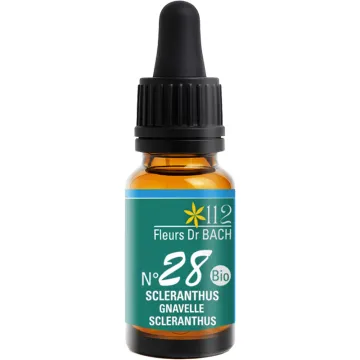
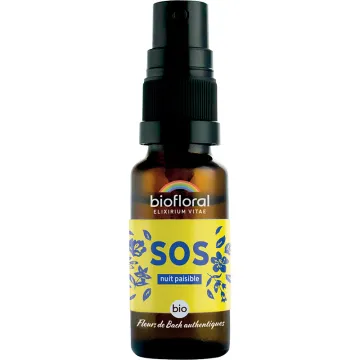
Dr. Edward Bach’s system of 38 Bach Flowers offers a precise tool for emotional work, with each flower targeting a specific emotional state. Among the most commonly used flowers for emotional balance are Sweet Chestnut (for moments of deep despair), Willow (for resentment and bitterness), Agrimony (for anxiety hidden behind a cheerful facade), Mimulus (for specific fears), Walnut (for life transitions and changes), Holly (for jealousy and disharmony), and Cherry Plum (for the fear of losing control). These flower essences, which contain no active biochemical ingredients, do not interact with medications and are suitable for all ages—4 drops under the tongue 4 times a day, as a 3- to 4-week treatment, combining up to 7 flowers. Rescue Remedy (a combination of 5 flowers) is available for acute stress and emotional emergencies.
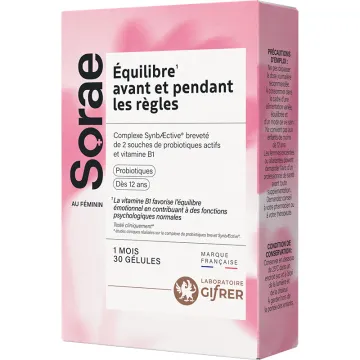
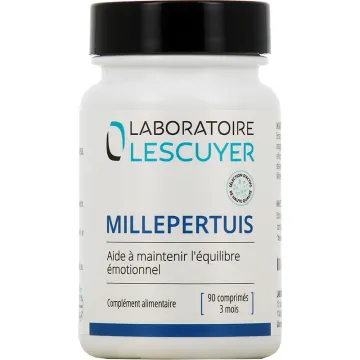
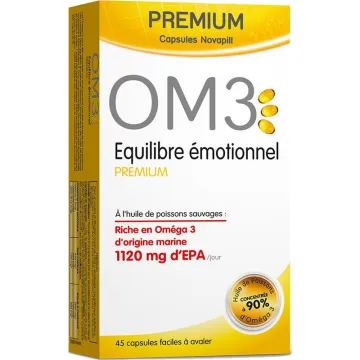
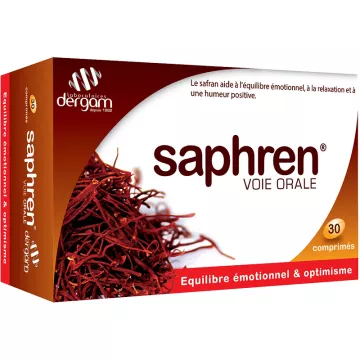
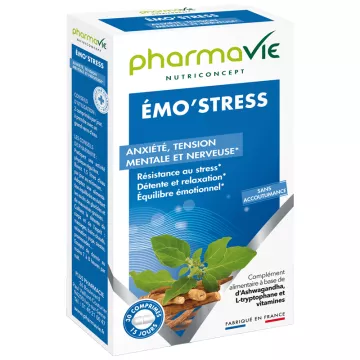
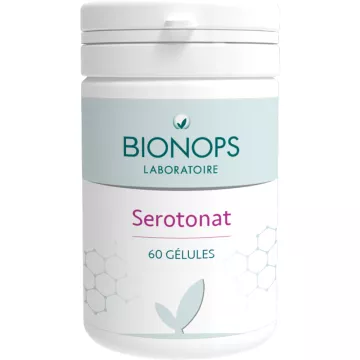
In addition to Bach Flower Remedies, several supplements act on the neurochemical foundations of emotional balance. Griffonia (5-HTP—a precursor to serotonin) is the best-documented natural active ingredient for supporting mood, reducing anxious rumination, and improving sleep quality—strict contraindication with SSRIs, SNRIs, tramadol, and St. John’s wort (risk of serotonin syndrome). St. John’s wort (Hypericum perforatum—standardized extract of hypericin) is used for mild to moderate depression—contraindicated with many medications (anticoagulants, contraceptives, antiretrovirals, SSRIs) and is photosensitizing—medical advice is recommended before use. Saffron (standardized extract of safranal and crocin—Saphren Dergam) shows positive clinical data in supporting mood comparable to St. John’s wort—contraindicated during pregnancy. Magnesium bisglycinate (300 mg/day) reduces emotional hyperreactivity and irritability associated with chronic stress. Omega-3 EPA-DHA supports mood regulation by modulating brain inflammation. Rhodiola (an adaptogen) restores emotional resilience in the face of stress—take only in the morning; contraindicated in bipolar disorder. Regular relaxation and meditation form the essential behavioral foundation. In cases of severe anxiety or clinical depression, consult a doctor—these approaches complement but do not replace medical or psychological care.