DIY pharmacy and cosmetics allow you to make your own personal care and beauty products using certified natural ingredients. This movement combines personalization, control over formulations, and an eco-friendly approach—but requires precision, accurate measurements, and impeccable hygiene. These preparations are intended for personal use and are not a substitute for medical treatment.
What is DIY in pharmaceuticals and cosmetics?
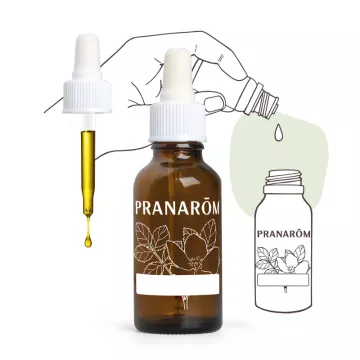
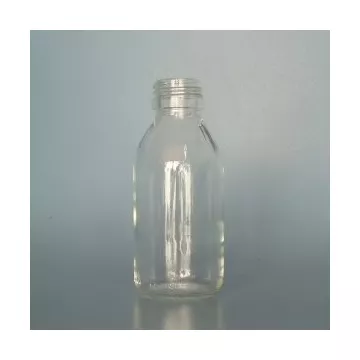
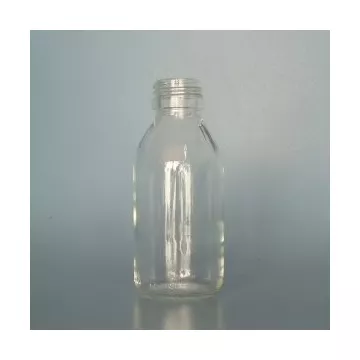
DIY cosmetics involves making your own skincare products using raw materials available at pharmacies or specialty stores. It appeals for several reasons: control over ingredients, reduction of controversial substances, customization based on your skin type, and a natural approach to cosmetics. Our selection of empty bottles complements your preparations.
What health and beauty products can you make yourself?
The most common recipes are simple and suited for mild, everyday use.
- Face creams made withaloe vera and plant-based oils
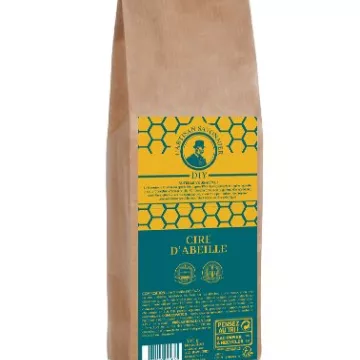
- Lip balms made with shea butter and beeswax
- Purifyingclay masks (do not let them dry completely on the skin)
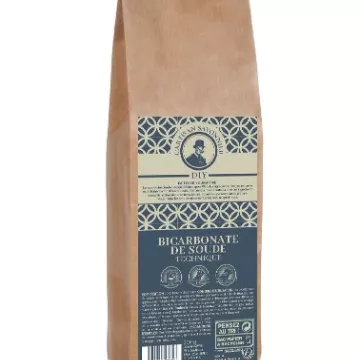
- Natural solid deodorants made with baking soda and wax
- Solid shampoos with Ayurvedic powders (shikakai, rhassoul)
- Decongestanteucalyptus inhalations
What ingredients should you use for DIY health and beauty products?
The quality of the ingredients determines the effectiveness and safety of the product. The most common active ingredients found in health and beauty stores:
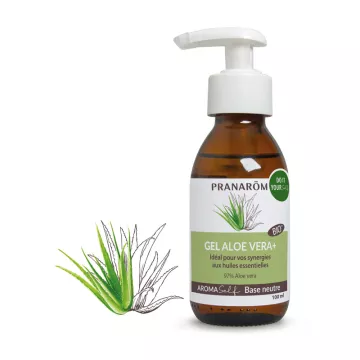
- Aloe vera, chamomile or lavender hydrosol: soothing and moisturizing
- Shea butter, beeswax: nourishing, thickening
- Tea tree or peppermint essential oil: purifying and toning
- Green, white, or pink clay: purifying and absorbent
- Naturalvitamin E: antioxidant, helps preserve oil-based formulas
Safety note: Natural does not mean hypoallergenic. Perform a patch test on the inside of your elbow 24 hours before use. Avoid using lemon juice in masks: risk of skin phototoxicity.
What hygiene rules should you follow when making DIY products?
Hygiene is the most important safety factor in DIY preparations. These rules minimize the risk of contamination.
- Sterilize containers and utensils with boiling water or 70° alcohol
- Work on a disinfected surface, with clean hands or while wearing gloves
- Strain preparations containing plant residues
- Label each product with the date of manufacture and shelf life
- Avoid applying to damaged or sensitive areas without medical advice
How do you properly measure ingredients for your DIY preparations?
Measurements must be precise, especially for concentrated active ingredients. A precision scale and graduated pipettes are essential.
- Essential oils (EO): 0.5% to 3% maximum of the total formulation (not recommended for use undiluted on the skin)
- Vitamin E: 0.5% to 1% as a preservative
- Clay: up to 30% in a mask or poultice
- Baking soda: 10% to 25% depending on the use (deodorant, toothpaste)
Use only tested and validated recipes from reliable sources. An overdose of essential oils can cause irritation or toxic effects.
Can you sell your DIY creations in France?
In France, the sale of DIY skincare products is strictly regulated by European regulations.
- Mandatory registration with the CPNP (Cosmetics Notification Portal)
- Complete cosmetic dossier: composition, stability tests, safety
- Manufacturing facility compliant with hygiene standards
- Products intended for therapeutic use: ANSM authorization required
DIY pharmacy-cosmetics are legally intended for personal or family use only.