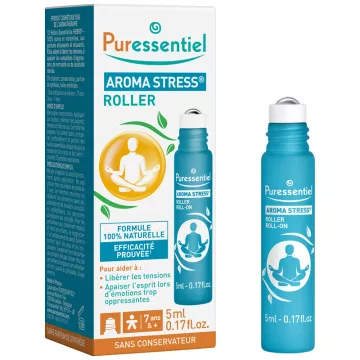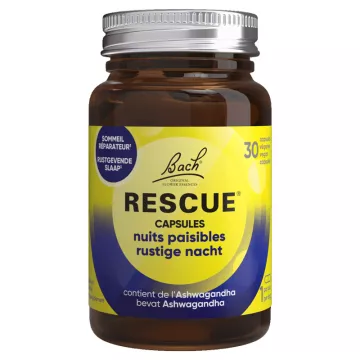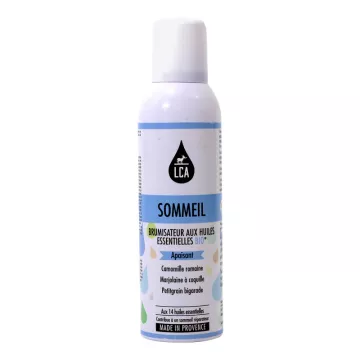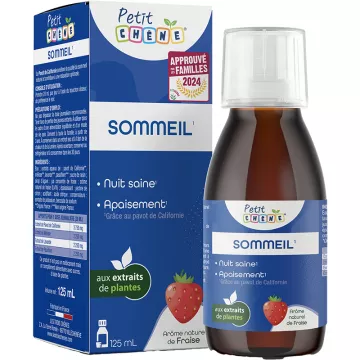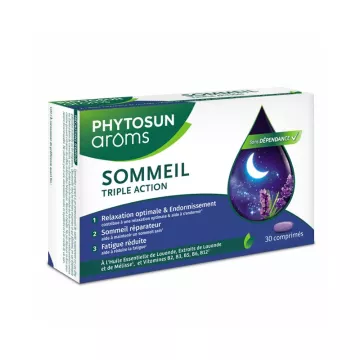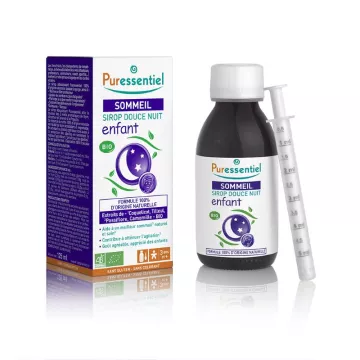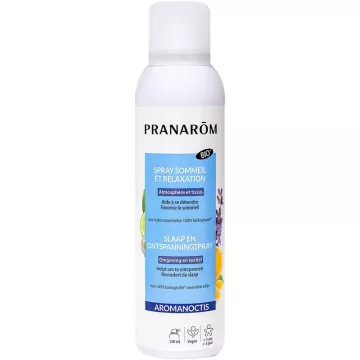
Difficulty falling asleep (sleep latency > 30 minutes) occurs when the physiological mechanisms that induce sleep are disrupted. Falling asleep results from a balance between two processes: sleep homeostatic pressure (the accumulation of adenosine in the brain during wakefulness) and the circadian rhythm (the melatonin signal produced by the pineal gland at nightfall). Any disruption prolongs latency: blue light from screens suppresses melatonin; stress andanxiety keep cortisol (the wakefulness hormone) elevated; and caffeine blocks adenosine receptors. A drop in core body temperature (approximately -0.5°C) is also essential for falling asleep—a room that is too warm significantly delays the onset of sleep.
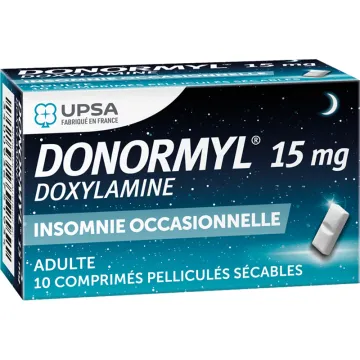
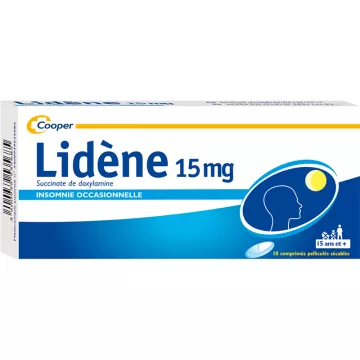
Only one over-the-counter medication is specifically indicated for occasional difficulty falling asleep: doxylamine (a sedating H1 antihistamine, 15 mg, scored tablets). Its mechanism of action involves blocking H1 receptors in the brain—sedation sets in within 30 to 60 minutes and lasts 6 to 8 hours. It is intended for adults only (contraindicated for those under 15 years of age) and for short-term use (< 5 consecutive days), as tolerance develops quickly. It is contraindicated in cases of glaucoma, prostate adenoma, epilepsy, and when used in combination with sedatives or alcohol. For long-term nervous system balance, herbal remedies are generally preferable.
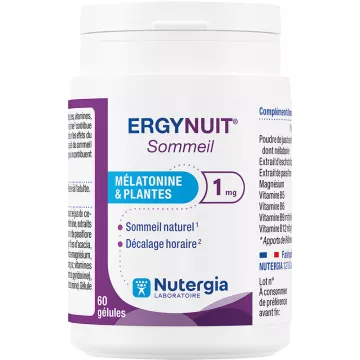
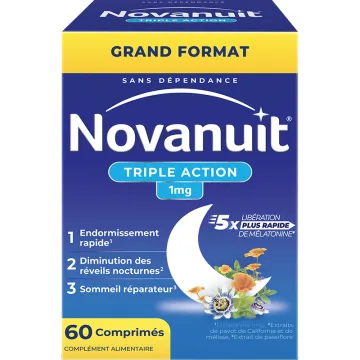
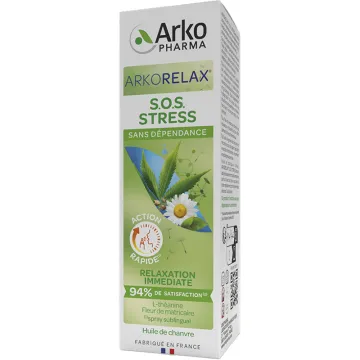
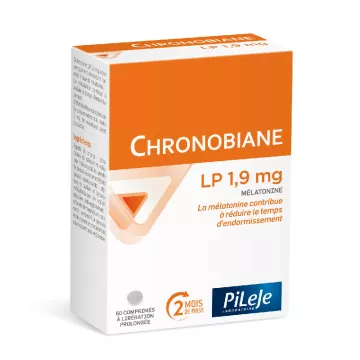
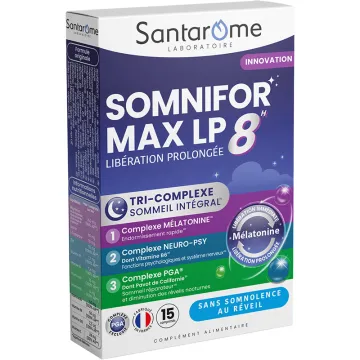
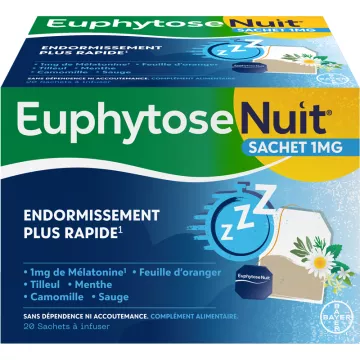
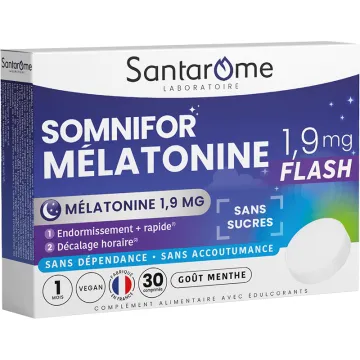
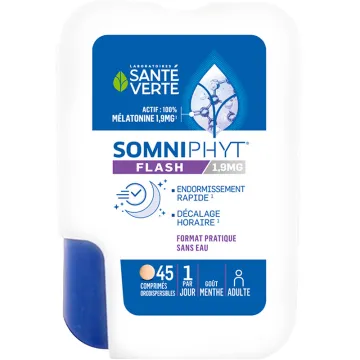
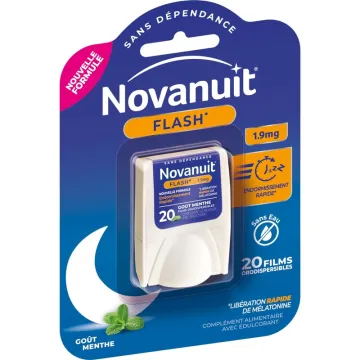
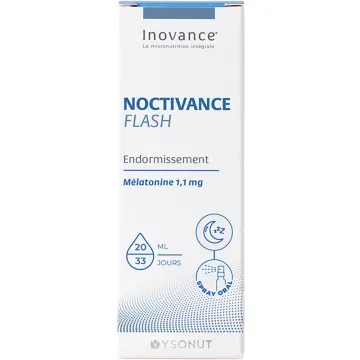
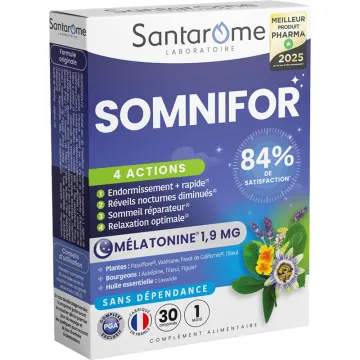
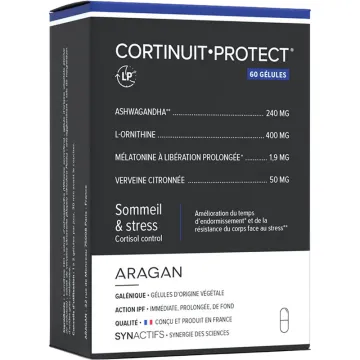
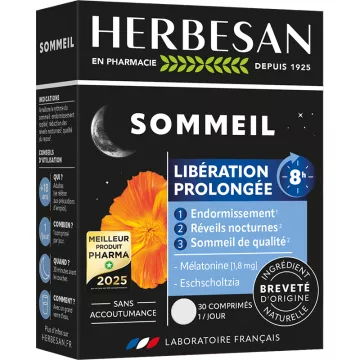
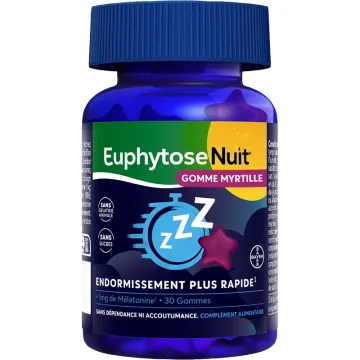
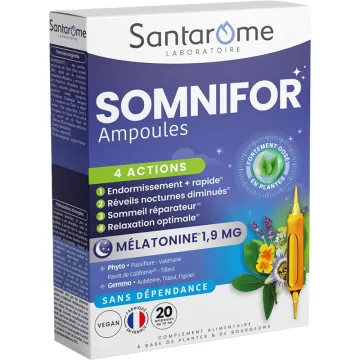
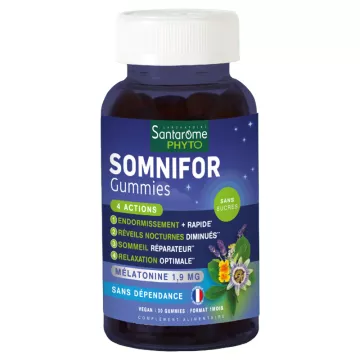
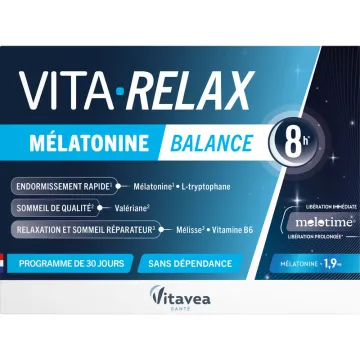
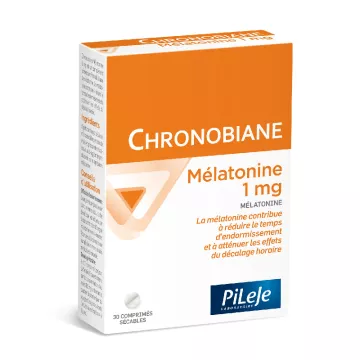
Immediate-release exogenous melatonin (0.5 to 1 mg, 30 minutes before bedtime) is the first-line treatment for functional sleep onset difficulties. Its action is chronobiotic (it resets the circadian clock) and non-sedative—it signals to the body that it is time to sleep without causing drowsiness. It is particularly effective for circadian phase shifts, jet lag, and shift work.L-theanine (an amino acid found in green tea, 100–200 mg), when combined with melatonin, improves the ability to fall asleep through a complementary mechanism—it increases alpha brain waves (alert relaxation) and enhances the effects of melatonin without causing sedation itself.
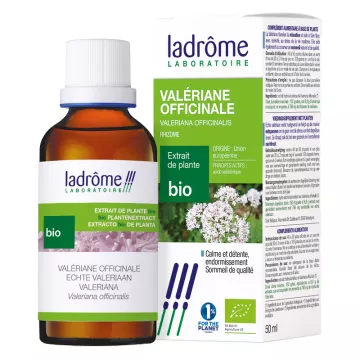
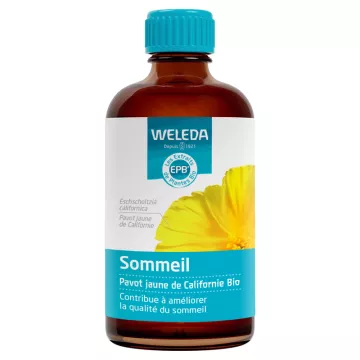
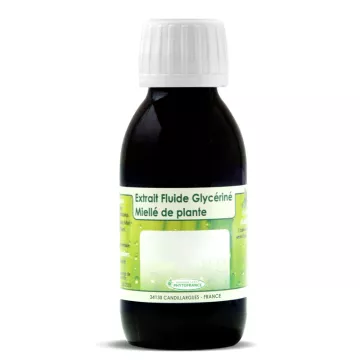
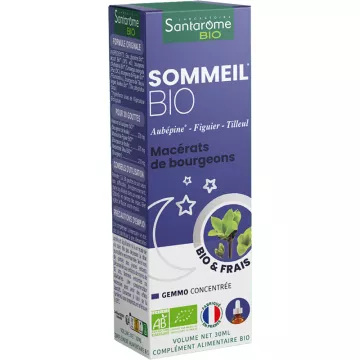
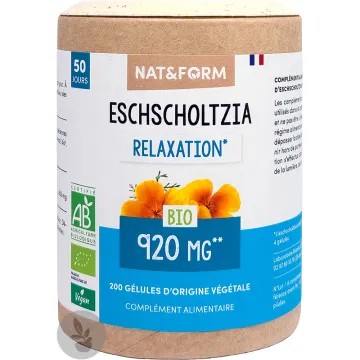
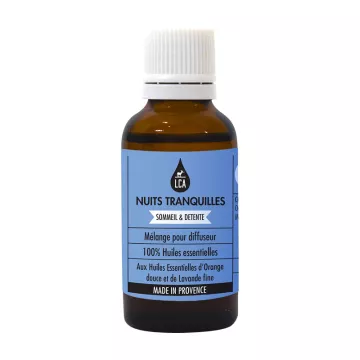
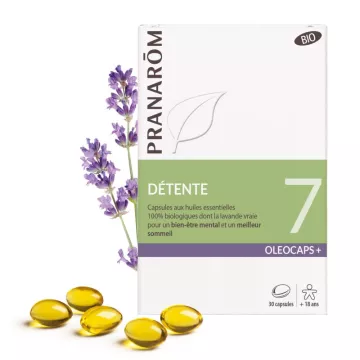
Several plants specifically target sleep onset latency through complementary mechanisms:
Multi-herb sleep teas (passionflower + linden + lemon balm + chamomile) offer a gentle approach to mild difficulty falling asleep.
Sleep hygiene is often more effective than supplements for functional sleep-onset difficulties. Five key factors have been documented:
Non-restorative sleep despite falling asleep easily suggests other causes that should be explored.
Occasional difficulty falling asleep (a few nights a week, < 4 semaines) sont banales et répondent aux approches décrites. La consultation médicale s'impose lorsque la latence d'endormissement reste > 45–60 minutes despite proper sleep hygiene and well-managed supplementation for 3 to 4 weeks, or when accompanied by debilitating daytime sleepiness, persistent mood disorders, or professional or social repercussions. In such cases, chronic insomnia should be considered, and cognitive-behavioral therapy for insomnia (CBT-I) should be offered as first-line treatment—the only approach proven to be more effective than sleeping pills in the long term without the risk of dependence.