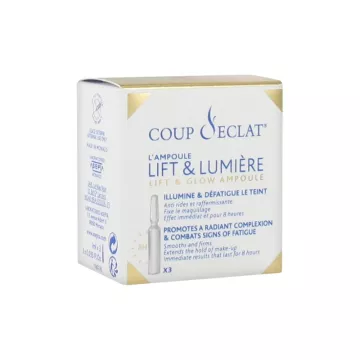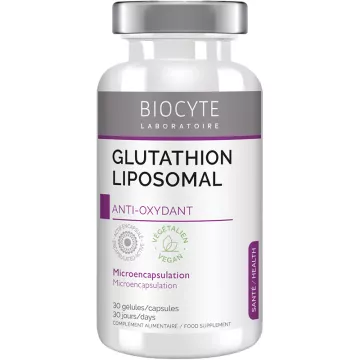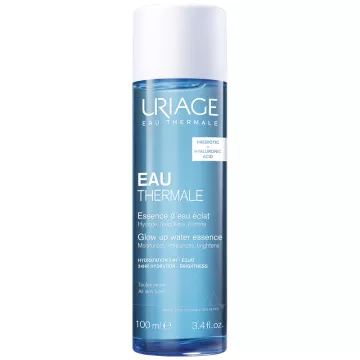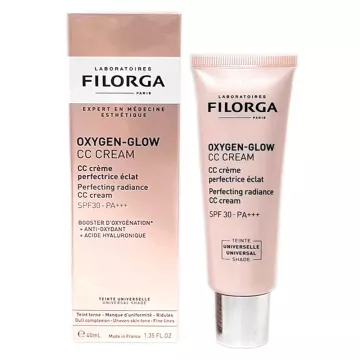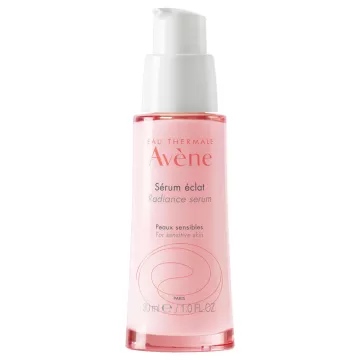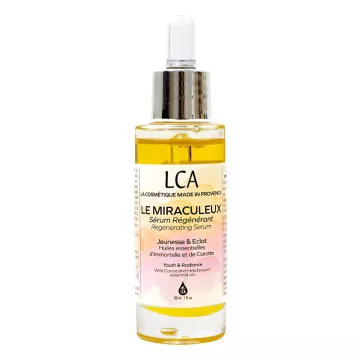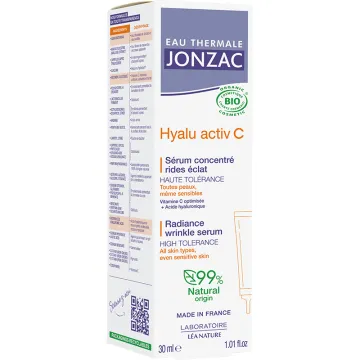
Devitalized skin refers to a condition in which the skin gradually loses its natural radiance, suppleness, and firmness. It appears dull, tired, and sometimes dry to the touch, with a less even texture and a complexion that seems to lack luminosity.
This condition is not a permanent skin type but a reversible one, common at all ages and particularly noticeable after age 35. Several factors contribute to this condition: a slowdown in cell turnover, decreased production of collagen and elastin, reduced skin hydration, the accumulation of oxidative stress, and impaired microcirculation.
The good news: with the right routine and consistency, radiance can be restored in just a few weeks. For dull skin and overallskin radiance, additional resources are available.
The causes of skin devitalization are numerous and often interrelated:
Identifying modifiable factors guides the revitalization strategy.
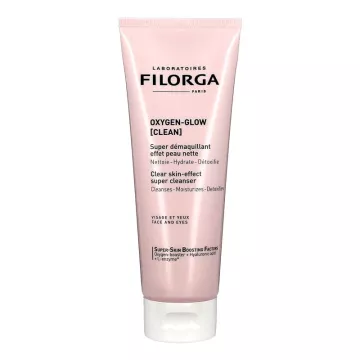
Revitalization relies on a holistic approach that combines topical care and a healthy lifestyle. Gentle cleansing remains the foundation: a cleanser with a pH close to that of the skin preserves the skin barrier without causing irritation.
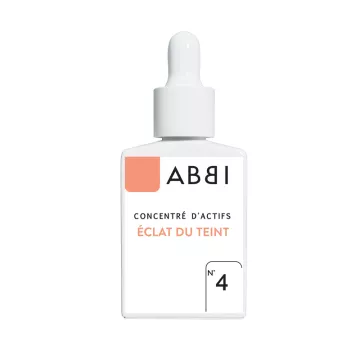
Deep hydration follows with ahyaluronic acid serum applied to slightly damp skin, followed by a suitable cream. Antioxidants (vitamin C, vitamin E, polyphenols) protect against oxidative stress and help promote a radiant complexion. Daily SPF 30 to 50+ sun protection, in both summer and winter, prevents the number one cause of skin damage.
Several regenerating active ingredients can be gradually introduced after age 30: cosmetic retinol in the evening only (photosensitizing; contraindicated during pregnancy and breastfeeding), peptides to support firmness, and niacinamide to even out skin tone.
Once or twice a week, a gentle chemical exfoliation (AHA, BHA, PHA) removes accumulated dead skin cells and visibly boosts radiance. Gentle facial massages stimulate microcirculation and enhance the benefits.
Several well-documented active ingredients are particularly effective for lackluster skin:
Gradually introducing one active ingredient at a time, with a 48-hour tolerance test, allows you to check for skin compatibility.
An effective routine consists of four steps. In the morning: gentle cleansing with lukewarm water, a vitamin C antioxidant serum, a suitable moisturizer, and SPF 30 to 50+ sunscreen applied last to the face, neck, and décolletage.
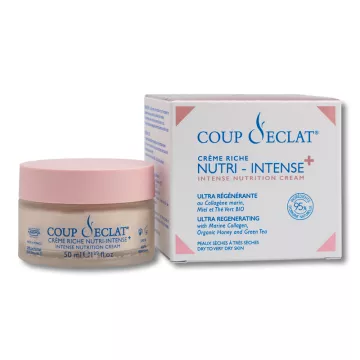
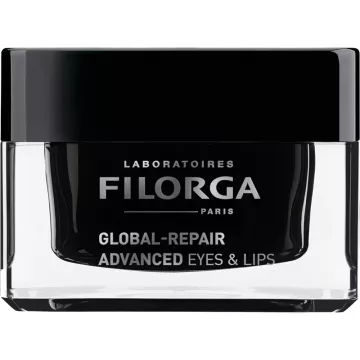
In the evening, after thoroughly removing makeup (makeup-removing oil followed by a gentle cleanser), apply a reparative or regenerating serum (retinol, peptides, niacinamide) before a nourishing night cream. The eye area can be treated specifically.
Once or twice a week, a gentle chemical exfoliation and a targeted mask (hydrating, brightening, antioxidant) visibly enhance radiance. Consistency is more important than complexity: the first results generally appear between 4 and 12 weeks.
Several characteristic signs help identify devitalized skin:
A dermatology consultation may be beneficial if you have any concerns or to take advantage of additional professional treatments (peels, microneedling, lasers).
Prevention relies on simple but consistent daily habits. Rigorous daily sun protection with SPF 30 to 50+ remains the number one preventive measure: apply a sufficient amount, reapply every two hours while exposed to the sun, avoid the hottest hours of the day (10 a.m.–4 p.m.), and strictly avoiding tanning beds (classified as a Group 1 carcinogen by the IARC).
Consistent hydration —both internally (1.5 to 2 L of water per day) and externally (using appropriate moisturizers morning and night)—preserves the skin’s suppleness. Stress management, 7 to 9 hours of sleep per night, regular physical activity (150 minutes per week according to WHO recommendations), and avoiding tobacco contribute to long-term visible skin health.
For the skin barrier and mature skin in general, a consistent, long-term strategy makes all the difference.
Diet directly influences skin quality. Recommended foods:
Limit: simple sugars (cellular glycation), ultra-processed foods, excessive alcohol. Collagen supplements can support a balanced diet for mature skin. Our natural antioxidants section offers supplements tailored to your needs, available with a pharmacist’s recommendation.
Several aesthetic procedures can complement a tailored skincare routine: superficial to medium chemical peels (glycolic, mandelic, salicylic acids, mild TCA), microdermabrasion, hydrabrasion, microneedling with or without radiofrequency, fractional lasers, LED phototherapy, revitalizing mesotherapy,hyaluronic acid skin boosters in microboluses, and radiofrequency with a skin-tightening effect.
These procedures should be performed by a dermatologist or a trained aesthetic physician. A preliminary consultation assesses the patient’s suitability, skin type (darker skin tones are at higher risk for paradoxical hyperpigmentation), and expected outcomes. Results are gradual and often require several sessions spaced apart.
In winter, the cold and indoor heating cause significant dehydration. The skincare routine should include more emollients (ceramides, shea butter); a humidifier helps counteract dry indoor air; and serums containing essential fatty acids are particularly beneficial.
In summer, sun protection with an SPF of 30 to 50+ becomes even more essential; textures become lighter (gel-creams, lotions), and thermal water mists provide a refreshing boost. Rinsing off quickly after swimming and increasing oral hydration help maintain long-lasting skin comfort.
Seasonal adjustments to your skincare routine are an integral part of the strategy: your pharmacist remains a valuable resource for tailoring your routine throughout the year and as your skin changes. Specific resources are available for high-protection sunscreen and vitamin C in general.