Dull skin is generally the result of a combination of cumulative factors.Insufficient hydration, less efficient skin microcirculation, repeated sun exposure without protection, and skin aging all play a role in the loss of the skin’s natural radiance. Smoking, a diet low in antioxidants and healthy fats, as well as chronic stress and insufficient sleep, exacerbate this condition.
If the skin suddenly becomes dull and is accompanied by other unusual signs (prolonged paleness, yellowing, or marked fatigue), a medical consultation is recommended to rule out an underlying cause (anemia, thyroid disorder, or liver damage).
To combat dull skin, adopt a simple and consistent skincare routine:
A consistent routine over time yields better results than any one-time treatment.
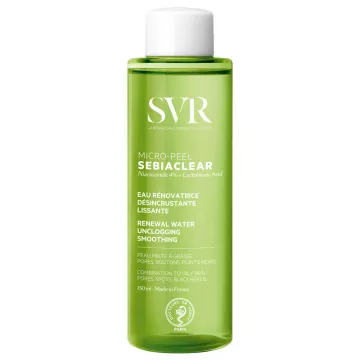
Several categories of active ingredients are known for their ability to enhance radiance:
Introduce these active ingredients one at a time, monitoring tolerance for 2 to 4 weeks. All exfoliating active ingredients cause skin photosensitivity, which requires consistent use of sunscreen.
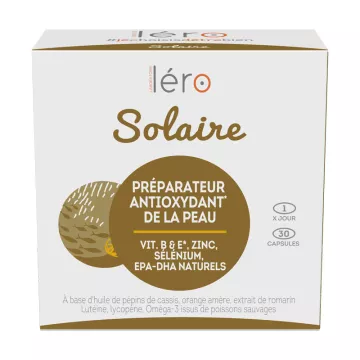
A varied diet rich in vitamins, minerals, and antioxidants supports overall skin health. Prioritize:
In addition, a targeted course of vitamin C or antioxidants may be considered upon a pharmacist’s advice, particularly during periods of fatigue or increased oxidative stress. Adequate hydration (on average 1.5 to 2 L/day for a healthy adult) rounds out the regimen.
For faster visible results, a dermatologist or cosmetic physician may recommend several professional procedures: chemical peels, microdermabrasion, lasers, intense pulsed light (IPL), and LED therapy. These procedures fall under the medical or paramedical field.
A preliminary consultation is essential to assess the suitability of the treatment, explain the expected benefits, possible side effects (redness, peeling, temporary photosensitivity), and contraindications (pregnancy, breastfeeding, specific medical history).
Yes,regular physical activity supports skin microcirculation, which contributes to a better complexion and a more rested appearance. Exercise also helps manage stress more effectively and often improves sleep quality—two pillars of healthy skin.
Be sure to remove your makeup before exercising, gently cleanse your skin after a workout to remove sweat, and apply sunscreen if you’re exercising outdoors.
Sunscreen is one of the most effective ways to preserve your skin’s radiance over time. UVA and UVB rays are the leading cause of photoaging: loss of elasticity, the appearance of dark spots, and a less luminous complexion. Apply a broad-spectrum sunscreen with SPF 30 to 50 every morning in sufficient quantity (about 2 mg/cm², or one teaspoon for the face and neck), even on cloudy days and indoors near windows. Reapply during prolonged exposure.
Well-hydrated skin better maintains its comfort, suppleness, and ability to reflect light. Conversely, dehydrated skin appears duller, rougher, and marked by fine dehydration lines. Maintaining water intake appropriate for your activity level and climate (on average, 1.5 to 2 L/day for a healthy adult) and using a suitable moisturizer morning and night are essential long-term practices.
Active ingredients such ashyaluronic acid and glycerin are known to attract and retain water in the stratum corneum, contributing to a plumping and soothing effect.
Face masks can provide an occasional boost to your radiance routine. Depending on the active ingredients chosen, they can purify, hydrate, or provide a sensory radiance boost:
Once or twice a week is more than enough. Follow the recommended application time and moisturize your skin afterward.
Sleep is one of the key moments in the skin’s physiological renewal. During the night, skin microcirculation and cellular repair processes follow their natural cycles, contributing to a well-rested complexion upon waking. Conversely, insufficient sleep quickly results in a duller complexion, more pronounced dark circles, and tired-looking skin.
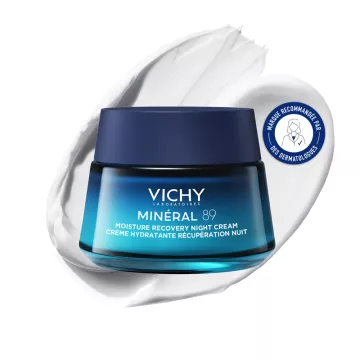
Aim for 7 to 9 hours of sleep per night depending on your needs, maintain a regular sleep schedule, limit screen time in the evening, and sleep in a cool, dark room. A nighttime skincare routine with reparative active ingredients (peptides, niacinamide, ceramides) can support this natural process.
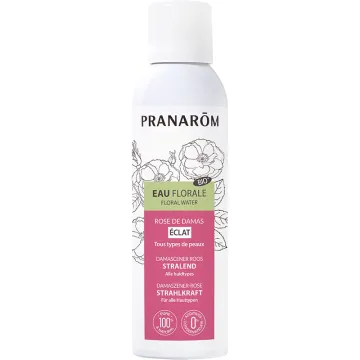
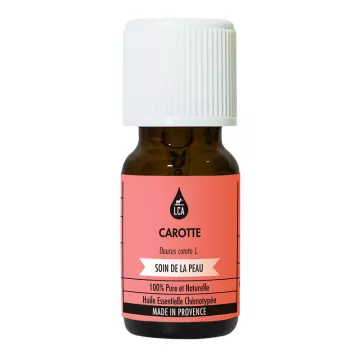
Several natural ingredients are traditionally used to soothe the skin and promote radiance:
Always perform a patch test on a small area before first use, especially if you have a history of allergies. These treatments are intended as a supplement and do not replace a structured skincare routine or a dermatological consultation in the event of persistent skin problems.