The cold response refers to the set of physiological reactions triggered when the body is exposed to low temperatures. These reactions are coordinated and simultaneously affect several systems: the circulatory, metabolic, nervous, and endocrine systems.
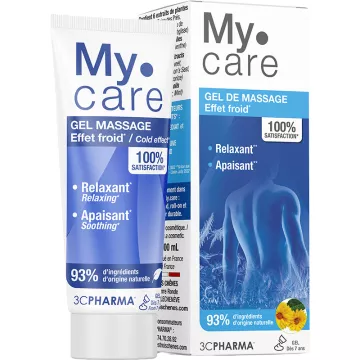
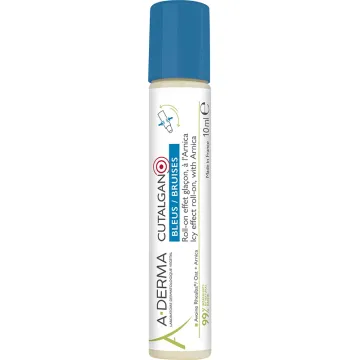
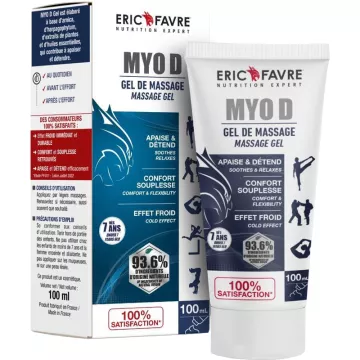
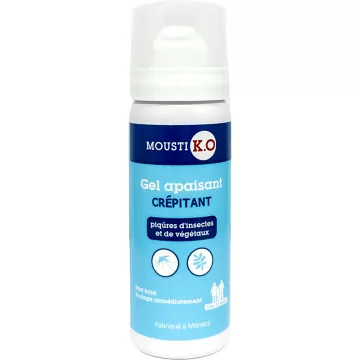
In the circulatory system, exposure to cold causes peripheral vasoconstriction: superficial blood vessels constrict to conserve core body heat and protect vital organs. Metabolically, thermogenesis is activated, particularly through brown adipose tissue, which specializes in producing heat from lipids and carbohydrates. Neurologically, the release of endorphins and norepinephrine contributes to the perceived sense of energy and well-being. These mechanisms form the basis for the therapeutic uses of cold, collectively known as cryotherapy, a selection of which can be found in the sports cryotherapy category.
Cryotherapy, or cold therapy, harnesses these physiological reactions to address various clinical conditions. It comes in several forms depending on the intensity and the targeted area.
Local cryotherapy (ice packs, gel packs, cryogenic sprays) is used primarily within the first 48 hours following an acute injury: sprains, early-stage tendinitis, or contusions with bruising. It is part of the RICE protocol (Rest, Ice, Compression, Elevation), which is recognized in sports medicine. Whole-body cryotherapy (WBC), performed in a chamber at temperatures ranging from -110 °C to -160 °C for one to three minutes, is used for athletic recovery and to manage chronic pain. These treatments aim to reduce perceived inflammation, decrease pain sensitivity, and support muscle and tendon recovery.
Controlled exposure to cold has been the subject of studies exploring its effects on the immune response. The data remain mixed and call for a nuanced interpretation.
Some studies have reported, in healthy subjects trained to regularly immerse themselves in cold water, a temporary change in white blood cell count and cytokine production, though no direct clinical benefit has been established regarding the prevention of common infections. Improved blood circulation and autonomic nervous system activation may contribute to a general sense of vitality. These effects do not replace a healthy lifestyle (sleep, diet, regular physical activity, stress management), which remains the foundation of immune health. These benefits require gradual and supervised exposure; on the contrary, any intense or prolonged exposure to extreme cold exposes the body to harmful physiological stress.
Cold therapy has established itself in sports medicine as a recognized recovery tool, particularly after intense exercise or competition. Protocols vary by sport.
Ice baths at 10–15 °C for 10 to 15 minutes after exercise, hot-cold contrast showers, and whole-body cryotherapy are used to reduce delayed-onset muscle soreness, accelerate the return to baseline condition, and limit the sensation of muscle fatigue. Localized cold therapy combined with compression helps control post-traumatic edema and alleviate muscle pain. However, recent recommendations caution against routine use: applying cold immediately after a hypertrophic strength training session could limit certain training adaptations. Timing and athletic goals matter just as much as the technique itself. A range of sports nutrition supplements usefully complements recovery strategies.
Although widely used, cold therapy carries well-identified risks that you should be aware of. All risks increase with the duration and intensity of exposure.
Hypothermia occurs when core body temperature drops below 35 °C, causing confusion, a slowed heart rate, and loss of coordination. It is a medical emergency. Frostbite (severe cold injury) results from local tissue damage caused by cold; it begins with a loss of sensation accompanied by redness or paleness and can progress to necrosis if left untreated. Thermal shock caused by sudden immersion in very cold water can trigger a dangerous cardiac or respiratory reaction, particularly in untrained individuals. Minor skin pain and frostbite, vagal reactions, and respiratory spasms in very cold air are among the most common adverse effects. Participation under the supervision of a trained professional remains the primary safety rule.
Acclimatization is the body’s gradual adaptation to lower temperatures. It plays a role in thermoregulation and improves an individual’s tolerance to the cold.
With regular and gradual exposure, the body develops greater thermal resilience: vasoconstriction occurs more rapidly, heat production through thermogenesis becomes more efficient, and the sensation of cold is less uncomfortable at the same intensity. This adaptation can reduce the risk of hypothermia during future exposure and support the ability to function in cool environments. Metabolically, some data suggest a modest effect on resting energy metabolism, but without any dramatic benefit in terms of weight management. Acclimatization must always be gradual and gentle, and it is not a substitute for a medical consultation in cases of known cardiovascular or respiratory conditions.
Cold exposure stimulates energy metabolism to compensate for heat loss. This physiological mechanism is being studied for its potential role in weight management and energy expenditure.
The main player is brown adipose tissue (BAT), which is rich in mitochondria and specialized in non-shivering thermogenesis. Activated by exposure to cold, it burns fats and carbohydrates to produce heat, rather than storing this energy. Regular exposure to cold may slightly increase the resting metabolic rate, but the effect on weight loss remains modest compared to regular physical activity and a balanced diet. Cold exposure is therefore not a weight-loss treatment; at most, it can be incorporated into an overall healthy lifestyle strategy, without replacing it or exempting one from the traditional pillars of weight management.
The use of cold therapies requires a few essential precautions, particularly during the first few sessions or when performed independently at home. Clinical judgment should guide the practice.
The main rules to follow are as follows: limit exposure time to the recommended durations (local cryotherapy for a maximum of 15 to 20 minutes, whole-body cryotherapy for 1 to 3 minutes), especially during the first few sessions. Place a protective barrier (thin cloth, towel) between the direct cold source and the skin to reduce the risk of frostbite. Monitor the skin’s reaction and watch for any abnormal sensations (increasing pain, burning, loss of sensation, marked pallor), which should prompt immediate cessation of treatment. Consult a healthcare professional before beginning cold therapy, especially if you have chronic conditions. Do not use ice water or ice blocks directly on the skin without a protective barrier. The complete selection of featured devices can be found in the sports cryotherapy category and the extreme cold protection line for environmental exposure.
Cold exposure also has psychological benefits. Several recent studies have explored its role in stress management and improving perceived well-being, with encouraging results that still need to be confirmed.
Controlled exposure to cold (cold showers, brief immersion, CCE) triggers the release of endorphins, adrenaline, and norepinephrine—neurohormones associated with feelings of alertness, calm, and satisfaction. Regular practice can support stress management and improve sleep quality, particularly in trained individuals. Gradual immersion is also described as a tool for strengthening mental discipline and resilience, similar to breathing and mindfulness techniques. These benefits, while promising, are not a substitute for medical care in cases of diagnosed mental health conditions (chronic anxiety, depression, chronic sleep disorders) that require specialized treatment.
Cold therapy has several absolute or relative contraindications. A prior medical evaluation is essential in cases of doubt or known medical conditions.
The main contraindications include: circulatory disorders (Raynaud’s disease, severe arterial diseases, blue toe syndrome, advanced arteriosclerosis), where the induced vasoconstriction may exacerbate ischemia; cardiac conditions (recent myocardial infarction, unstable angina, significant arrhythmias, uncontrolled hypertension), where the vasomotor response increases the risk of complications; cold-induced diseases (cryoglobulinemia, cold urticaria, cold agglutinin disease); areas of skin with reduced sensation (diabetic neuropathy, history of peripheral neuropathy), where the warning sensation is absent; pregnancy; open or infected wounds in the area to be treated; severe, uncontrolled respiratory disorders (asthma, COPD). If any of these conditions are present, it is essential to consult a doctor before beginning any cold therapy regimen.