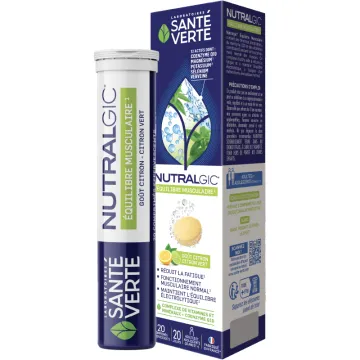
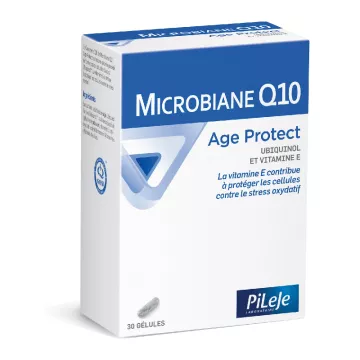
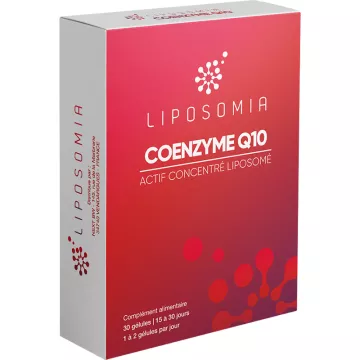
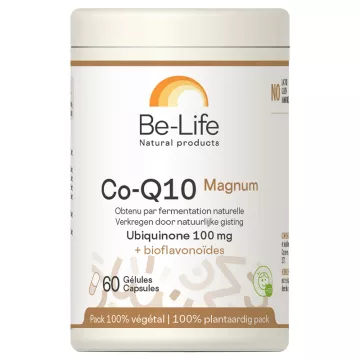
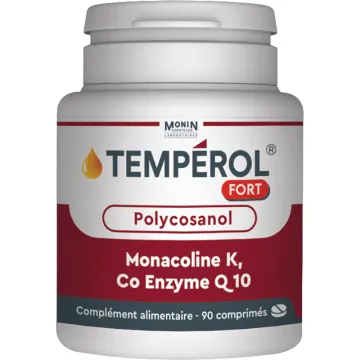
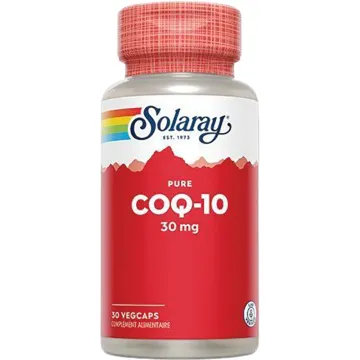
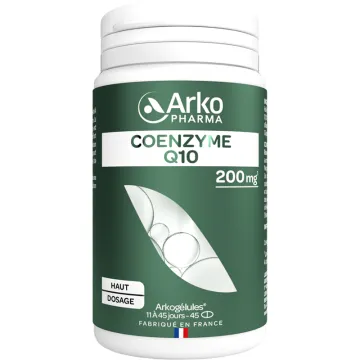
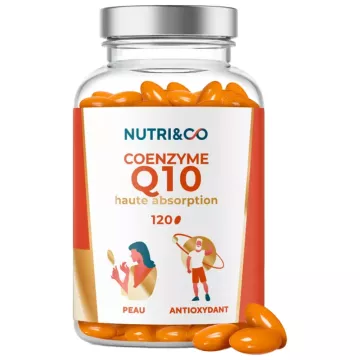
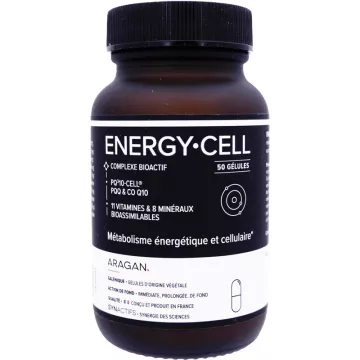
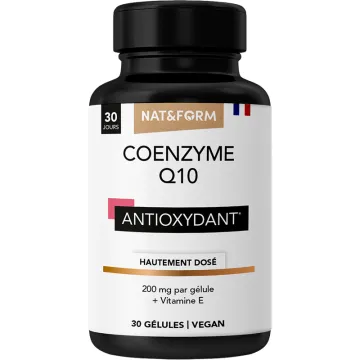
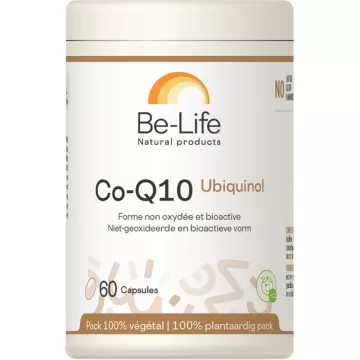
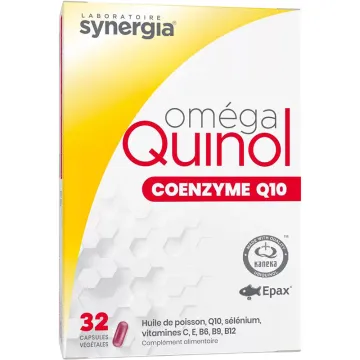
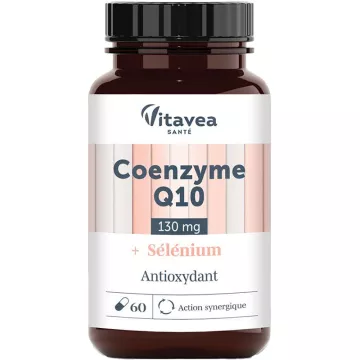
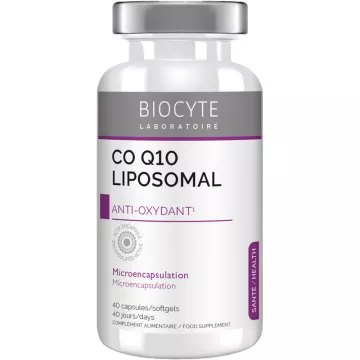
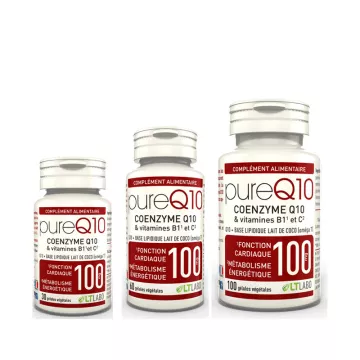
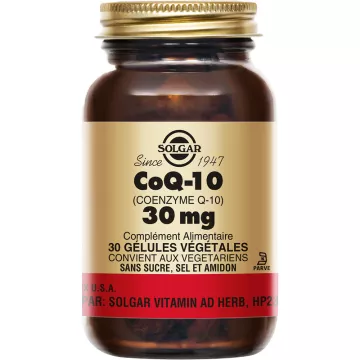
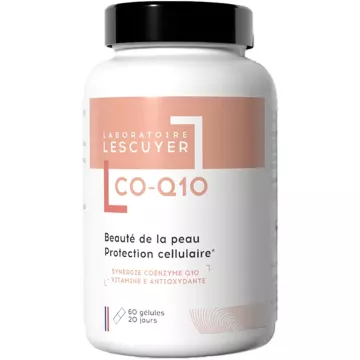
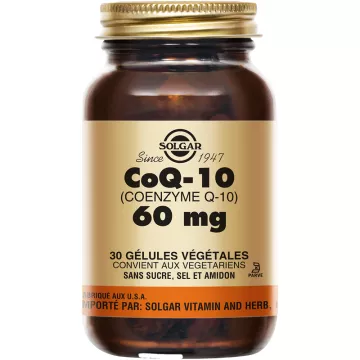
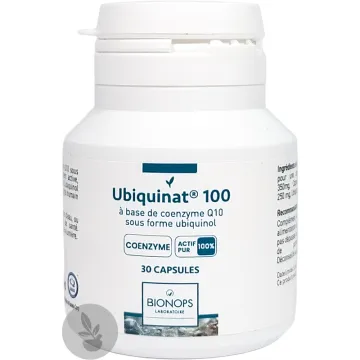
Coenzyme Q10 (CoQ10 or ubiquinone) is a fat-soluble compound naturally synthesized by the body and found in virtually all cells. As an essential cofactor in the electron transport chain within mitochondria, it plays a role in cellular energy production and acts as an antioxidant that protects lipid membranes. Explore our line of natural antioxidants.
What is coenzyme Q10?
CoQ10 is synthesized primarily in the liver from tyrosine, mevalonate, and several B vitamins. It is found in the highest concentrations in organs with high energy demands: the heart, liver, kidneys, and skeletal muscles. Its endogenous production decreases with age (a notable decline begins after age 40), due to chronic oxidative stress and certain medications. Dietary sources (organ meats, fatty fish, and nuts) provide only modest amounts—supplementation compensates for this functional deficit. See also its sibling ubiquinol, the reduced form of CoQ10.
What roles does CoQ10 play in the body?
CoQ10 is involved in two complementary biological functions.
- ATP production: It is the key component of the mitochondrial respiratory chain—without it, ATP synthesis is compromised in all tissues
- Fat-soluble antioxidant: It neutralizes free radicals generated during oxidative phosphorylation, protecting cell membranes and circulating lipids
- Regeneration of other antioxidants: It regenerates oxidized vitamin E, prolonging its effectiveness—synergy with vitamin C, carotenoids, andalpha-lipoic acid
- Cardiovascular health: Myocardial cells contain the highest concentrations of CoQ10—its role in energy production is particularly critical there
CoQ10 and statins: an important link?
Statins (lipid-lowering medications) inhibit the mevalonate pathway—the same pathway used by CoQ10 for its endogenous synthesis. This mechanism can reduce CoQ10 levels in the blood and muscles.
- People taking statins frequently experience muscle pain and cramps (myalgia), which may be partly related to this deficiency
- CoQ10 supplementation is often recommended to counteract this depletion—discuss this with your doctor or pharmacist
- No official, systematic recommendations exist to date—but this approach is common in clinical practice
- Tell your doctor about any CoQ10 supplementation if you are taking statins
Ubiquinone vs. ubiquinol: Which form should you choose?
CoQ10 alternates between two forms in the body depending on its redox state.
- Ubiquinone (oxidized CoQ10): the most common and most studied form—the body converts it to ubiquinol before use
- Ubiquinol (reduced CoQ10): a directly active and antioxidant form—potentially better absorbed by older adults, whose ability to convert it decreases
- Young adults: Ubiquinone is generally sufficient and is converted efficiently
- Older adults, people taking statins, or those with high energy demands: ubiquinol is often preferred
- Liposomal forms or those combined with vegetable oils improve the bioavailability of both forms
How should CoQ10 be used as a supplement?
Dosage and timing determinethe effectiveness of supplementation.
- Usual dosage: 100 to 200 mg per day for general support
- People taking statins or athletes: 200 to 300 mg per day
- Take with a meal containing fat—CoQ10 is fat-soluble
- Sports recovery: reduces post-exercise oxidative stress and promotes muscle comfort
- Cosmetic use: incorporated into anti-aging skincare to promotea radiant complexion and limit oxidative aging of the skin
Precautions and interactions with CoQ10?
CoQ10 is well tolerated but has a few interactions to be aware of.
- Anticoagulants (warfarin): CoQ10 may alter the anticoagulant response—be sure to inform your doctor
- Statins: Discuss combination use with your doctor—potentially beneficial but requires monitoring
- Pregnancy and breastfeeding: Avoid as a precaution (insufficient data)
- Mild digestive upset possible at high doses—take in divided doses
- Choose products from reputable brands with a certificate of analysis (guaranteeing purity and CoQ10 content)