The chestnut tree (Castanea sativa) is a tree in the Fagaceae family, native to southern Europe and the Mediterranean basin. Known as the “bread tree” in rural areas, it produces chestnuts, a nutritious fruit rich in complex carbohydrates. For wellness purposes, the fruit (fresh, dried, or ground into flour) and the dried leaves (used as an herbal tea) are primarily used. Chestnuts are notable for their high content of complex carbohydrates, fiber, and minerals, making them a valuable food for supporting the body, particularly when nutritional needs are increased. They should be distinguished from the horse chestnut (toxic, inedible), despite the similarity of their fruits.
Chestnuts have a beneficial nutritional profile that justifies their place in the diet:
For targeted supplementation, these minerals can be supplemented with a course of magnesium or potassium, depending on individual needs.
Rich in complex carbohydrates, chestnuts provide sustained energy that is particularly appreciated during the cold season, periods of intense physical activity, or while recovering from illness. Their high caloric density makes them a supportive food for people with increased energy needs (endurance athletes, during recovery periods, and during growth). Whether roasted, mashed, or in soup, they provide nutritional comfort without a sudden spike in blood sugar, thanks to their slow-release carbohydrates. During periods of fatigue, they can be incorporated into a varied diet that supports overall vitality, alongside other appropriate nutritional intakes.
Chestnut flour is naturally gluten-free, making it a valuable alternative for people who are gluten-intolerant or sensitive to gluten. Its slightly sweet taste and distinctive texture make it ideal for making crepes, cakes, specialty breads, and pastries. Rich in plant fiber, it offers greater nutritional value than traditional refined flours. It is often combined with other gluten-free flours (such as rice or buckwheat) to balance textures in baked goods. For people with celiac disease, check for the certified “gluten-free” label, which guarantees the absence of cross-contamination during processing. This flour helps diversify dietary intake while promoting digestive comfort.
Dried chestnut leaves are traditionally used to make herbal tea for their mild, woody flavor. Folklore attributes them with soothing effects on the respiratory system and throat, although these effects are based more on empirical use than on conclusive scientific evidence. To prepare the tea, steep one teaspoon of dried leaves in 250 ml of simmering water for 5 to 10 minutes. It can be combined with other herbs that aid digestion, such as fennel or lemon balm, particularly after meals high in starchy foods. This infusion remains a traditional remedy for comfort, with no therapeutic claims, and should be incorporated into a holistic approach to well-being.
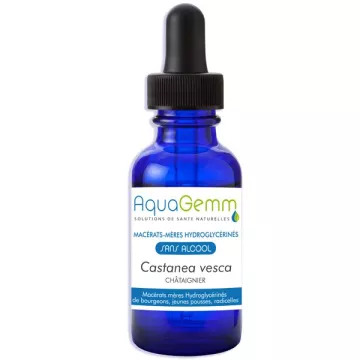
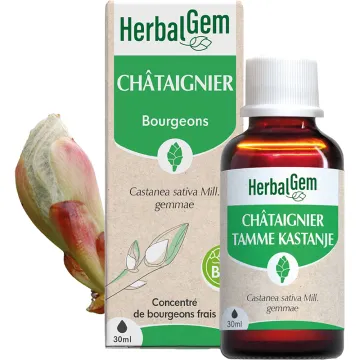
Chestnuts come in several forms. Fresh chestnuts are available in the fall, for roasting or cooking. Dried or canned chestnuts can be enjoyed year-round. Gluten-free chestnut flour is used in baking and cooking. Chestnut purée and cream make for delicious treats. Dried leaves can be purchased to make soothing herbal teas. Less commonly known, extracts in capsule or ampoule form are available on the market. To supporthealthy digestive balance, prioritize eating the whole, fiber-rich fruit rather than sweetened processed products. Check the origin and cultivation methods of the products you purchase.
Chestnuts are generally well tolerated, but a few precautions apply. Their high caloric content (about 180 kcal per 100 g when cooked) should be taken into account by people following a low-calorie diet or watching their weight. Their high fiber content may cause mild digestive discomfort (bloating) if consumed in large quantities by people with sensitive digestive systems. Chestnuts should always be eaten cooked, never raw (due to the presence of tannins that are difficult to digest). People with nut allergies should exercise caution, as cross-reactions are possible. Herbal teas made from the leaves pose no major risk when consumed in appropriate amounts. Pregnant or breastfeeding women may consume chestnuts as part of their regular diet but should seek professional advice regarding concentrated extracts or herbal teas taken as part of a long-term regimen.
Several criteria indicate a high-quality product. The Bio AB or Ecocert label guarantees the absence of pesticide residues, which is important for a fruit consumed whole.The geographic origin (Ardèche, Corsica, Limousin in France, or other renowned regions) is a mark of tradition and quality. For flour, choose small artisanal mills with clear traceability and a certified “gluten-free” label for people with celiac disease. For dried leaves, check that they look uniform and are free of mold. Fresh chestnuts should be firm, heavy, and free of holes (a sign of worms). Fresh chestnuts can be stored in the refrigerator for a few weeks or frozen. Choose products certified asorganic or grown using sustainable farming practices to support an approach that respects digestive health and the environment.