What is a vitamin deficiency, and how does it develop?
A vitamin deficiency occurs when the body does not receive enough of an essential vitamin—either because the diet is inadequate or because absorption is impaired. Vitamins are not stored long-term by the body (except for the fat-soluble vitamins A, D, E, and K): an unbalanced diet over just a few weeks can be enough to cause a deficiency. Explore our range of nutritional supplements and immune-boosting products to prevent the most common deficiencies.
- Water-soluble vitamins (B, C): not stored—even a few weeks without adequate intake is enough to cause a deficiency— vitamin B12 is an exception because its liver stores last 2–5 years
- Fat-soluble vitamins (A, D, E, K): stored in fat and the liver—deficiencies develop more slowly but are harder to correct— vitamin D3 remains the most common deficiency in France (80% of the population in winter)
- Main causes: a diet too low in fruits and vegetables—restrictive diets without adequate compensation—excessive cooking (which destroys up to 80% of water-soluble vitamins)—digestive malabsorption (irritable bowel syndrome, Crohn’s disease, bariatric surgery)—medications that deplete vitamins (PPIs → B12, metformin → B12, antiepileptics → B9)
- Common combined deficiencies: Deficiencies rarely occur in isolation — vitamin D3 + magnesium (magnesium activates D3) — vitamin B12 + B9 (interdependent cycle) — vitamin C + iron (vitamin C improves iron absorption)
- How to confirm: Only a blood test can confirm a deficiency—symptoms (fatigue, infections, pain) overlap with many other conditions—never take supplements blindly without a prior blood test
The Most Common Vitamin Deficiencies and Their Signs
- Vitamin D3: Affects 80% of French people in winter—signs: fatigue, bone and muscle pain, repeated infections, low mood in fall and winter—a blood test is recommended every fall for at-risk individuals
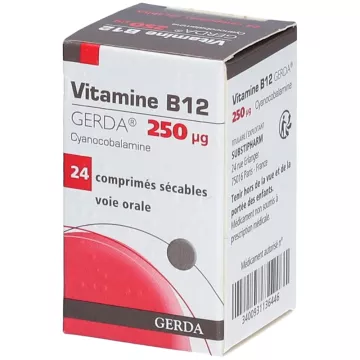
- Vitamin B12: Common among vegans and older adults—signs: tingling in the hands and feet, severe fatigue, memory problems, low mood—severe deficiency can lead to irreversible neurological damage
- Vitamin B9 (folate): Common among women of childbearing age and people taking certain medications — signs: fatigue, anemia, mood disturbances — essential before and during pregnancy to protect the baby from birth defects
- Vitamin C: Common among smokers and people who eat few fresh fruits and vegetables—signs: fatigue, frequent infections, bleeding gums, slow wound healing—scurvy (severe deficiency) remains rare, but subclinical deficiencies are common
- Vitamin A: rare in developed countries except among the elderly or severely malnourished individuals—signs: poor night vision, dry skin, recurrent ear, nose, and throat infections—caution: vitamin A is toxic in excess (do not exceed the recommended doses)
Highest-risk groups and targeted prevention
- Vegans and strict vegetarians: Vitamin B12 is absent from plant foods → supplementation is mandatory — vegan vitamin D3 is available from lichen — iron is less well absorbed from plant foods → always combine with vitamin C
- Older adults (>65 years): reduced B12 absorption (lower stomach acidity)—vitamin D synthesis by the skin is up to 4 times less efficient—diet is often deficient—annual screening for deficiencies is recommended
- Pregnant and breastfeeding women: Increased needs for vitamin B9 (for the baby’s neural tube closure), vitamin D3, vitamin B12, and iron—systematic supplementation recommended as soon as pregnancy is planned
- Smokers: Tobacco destroys vitamin C — increased daily requirement of 35 mg compared to nonsmokers — risk of deficiency even with a seemingly adequate diet
- People on long-term medications: PPIs and metformin → deplete vitamin B12 — antiepileptic drugs → deplete vitamin B9 — corticosteroids → reduce the absorption of vitamin D and calcium — regular blood testing is essential in these situations
Prevent deficiencies and supplement properly
- A varied, minimally processed diet: green vegetables at every meal (B9, C, K) — animal proteins or legumes (B12, iron, zinc) — whole grains (B1, B3, magnesium) — fresh raw fruits (C, B9) — steam vegetables and eat some of them raw to preserve heat-sensitive vitamins
- Targeted supplementation based on individual needs: vitamin D3 1,000–2,000 IU/day from October through March for everyone — vitamin B12 for all vegans — vitamin B9 for all women planning to become pregnant — consult a healthcare professional before taking multiple supplements at the same time
- Preferred bioavailable forms: vitamin D3 rather than D2 — methylcobalamin for B12 — 5-MTHF for B9 if you have poor tolerance to folic acid — fat-soluble vitamins (A, D, E, K) should be taken with a meal containing fat to ensure proper absorption
- Recommended annual checkup: vitamin D3 + B12 + iron + ferritin + magnesium—especially before winter and for at-risk groups—allows you to tailor supplementation to actual needs rather than taking “everything just in case”
- Digestive health and absorption: a healthy gut is essential for vitamin absorption—chronic digestive diseases, prolonged use of PPIs, and dysbiosis reduce the absorption of many vitamins—supporting the microbiome with probiotics indirectly improves vitamin status