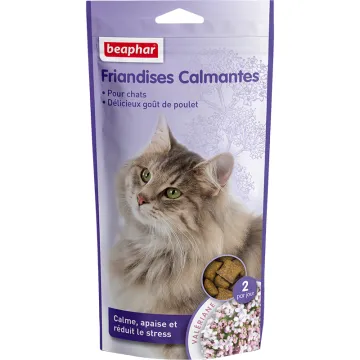



Daily cat care covers several areas: parasite prevention (regular treatment for fleas, ticks, and intestinal worms), oral hygiene (tartar, gingivitis), eye and ear care, joint health (especially in older cats), and stress management. Cats are stoic animals that hide their pain—monitoring their behavior (appetite, activity, posture, elimination habits) is a more reliable way to detect any abnormalities early on than a direct physical examination. Valerian (Valeriana officinalis, isovaleric acid, valeranone) is a natural anxiolytic that is well tolerated by cats—its plant-based pheromones have a euphoric effect similar to catnip and effectively reduce underlying anxiety.
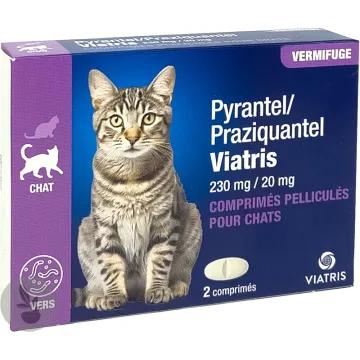
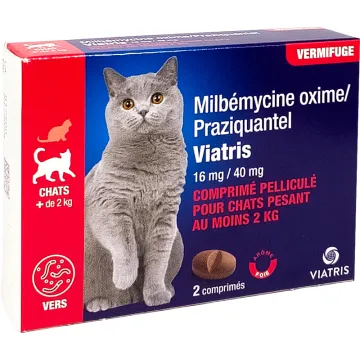
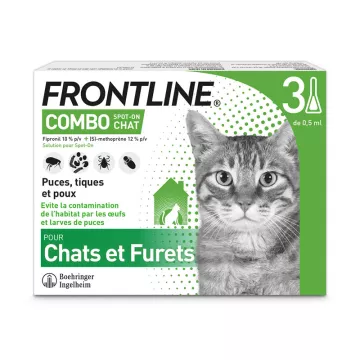
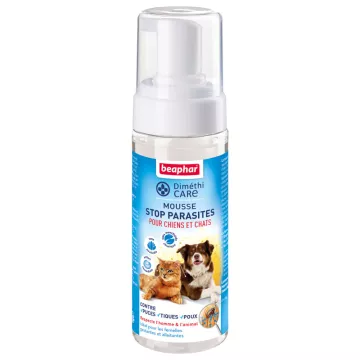
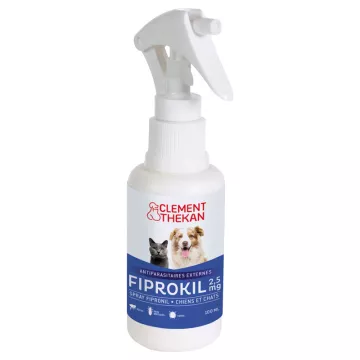
The antiparasitic protocol for cats combines treatment for endoparasites (deworming) and ectoparasites (spot-on treatments, sprays). Deworming every 3 months for an indoor cat—or every month for an outdoor or hunting cat—targets roundworms (Toxocara cati) and tapeworms (Taenia). The combinations of pyrantel/praziquantel and milbemycin/praziquantel cover the entire helminth spectrum. Spot-on antiparasitic pipettes (fipronil ± s-methoprene) are applied to the back of the neck—it is essential to ensure they do not contain permethrin, which is lethal to cats even through indirect contact. Ginger (Zingiber officinale, gingerols, and shogaols) is a natural antiemetic that can reduce nausea associated with taking dewormers or digestive stress in sensitive cats.
Feline stress manifests as urine marking, excessive grooming, loss of appetite, or aggression. The main natural approaches are:
In cases of severe anxiety (extensive psychogenic alopecia, recurrent idiopathic feline cystitis), a consultation with a behaviorist and veterinary treatment are essential.
Feline motion sickness is very common—a cat’s vestibular sensitivity and its association of confined spaces with stress exacerbate nausea and excessive salivation. Simple measures can reduce symptoms: do not feed the cat for 3 to 4 hours before the trip, place the carrier on a stable surface, get the cat accustomed to the carrier outside of travel, and partially cover the carrier with a cloth impregnated with pheromones. Homeopathic tablets for motion sickness (Cocculus, Tabacum, Nux vomica) reduce nausea without causing drowsiness. For long trips, the veterinarian may prescribe an anti-anxiety medication or an antiemetic.
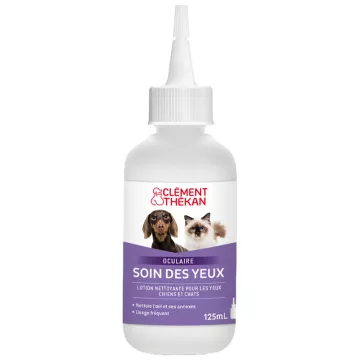
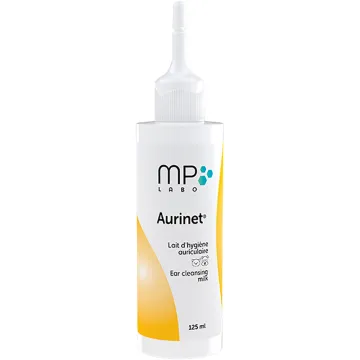
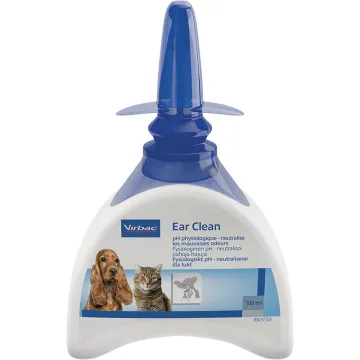
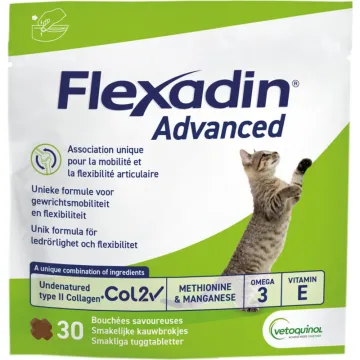
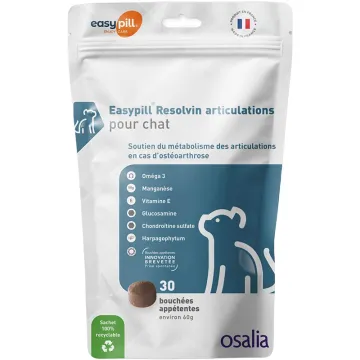
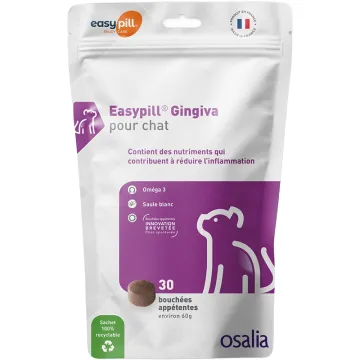
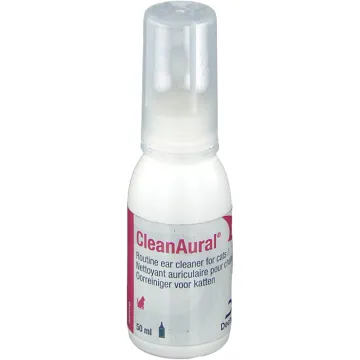
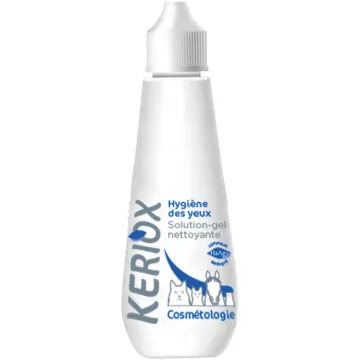
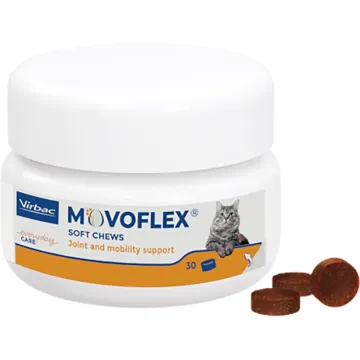
Sensory hygiene is often neglected. The eyes should be cleaned once or twice a week with a sterile ophthalmic lotion (saline solution or diluted chlorhexidine), particularly in brachycephalic breeds (Persian, British Shorthair) whose tear ducts are kinked. Ears do not require routine cleaning—abnormal production of brown or foul-smelling earwax (Otodectes ear mites or an infection) requires a veterinary consultation. Dental hygiene (weekly brushing with an enzymatic toothpaste, dental treats, and chlorhexidine gel) prevents tartar buildup, which affects more than 70% of cats over 3 years of age. Collagen (type II, specific to cartilage) complements the treatment of cats suffering from chronic arthritis—a very common and underdiagnosed condition in cats over 10 years of age.