What are the bronchi, and how do they work?
The bronchi are the airways that carry air between the trachea and the pulmonary alveoli, where the gas exchange essential for life takes place. They constitute the main part ofthe respiratory tree, forming a branched network that divides into lobar and segmental bronchi, and then into bronchioles. Supplements for the respiratory system are available in the respiratory system section of the store.
- Structure: The two main bronchi (right and left) originate at the bifurcation of the trachea (carina)—the right bronchus is more vertical, which explains why accidental inhalations occur more frequently on the right—each bronchus divides into 3 lobar bronchi on the right, two on the left, and then into 10 segmental bronchi on each side, down to the terminal bronchioles
- Mucociliary clearance: The bronchial walls are lined with ciliated cells and mucus-producing cells—the mucus traps foreign particles (dust, microbes, pollutants) — the cilia transport them toward the pharynx for expectoration or swallowing — this is the primary mechanical defense mechanism of the lower respiratory tract
- Thermoregulation and humidification: inhaled air is warmed to 37°C and humidified to 100% relative humidity before reaching the alveoli—this conditioning is essential for efficient gas exchange and for protecting alveolar tissue
What diseases affect the bronchi, and how can they be recognized?
- Acute bronchitis (see respiratory conditions): acute inflammation of the bronchi, most often caused by a virus (rhinovirus, RSV, influenza)—productive cough, sometimes wheezy, lasting 1 to 3 weeks—symptomatic treatment (rest, hydration, mucolytics)—antibiotic therapy not routinely prescribed (viral cause in 90% of cases)
- Chronic bronchitis (see respiratory disorders): daily productive cough for at least 3 months per year over 2 consecutive years — a major component of COPD (Chronic Obstructive Pulmonary Disease) — primary cause: smoking (Tobacco Info Service: 3989) — prolonged exposure to occupational or household pollutants
- Asthma: chronic inflammation of the bronchi with bronchial hyperreactivity — reversible airway obstruction due to bronchospasm, edema, and bronchial hypersecretion — symptoms (wheezing, shortness of breath, nighttime cough) — maintenance therapy (inhaled corticosteroids) + rescue therapy (bronchodilators)
- Signs requiring urgent medical attention: dyspnea at rest — cyanosis — SpO₂ < 95 % — impossibilité de parler en phrases complètes — fièvre > e of 38.5 °C with purulent sputum — hemoptysis (blood in sputum)
How can you naturally support bronchial health?
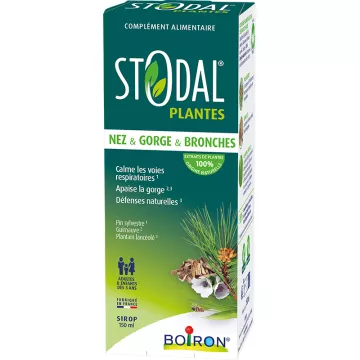
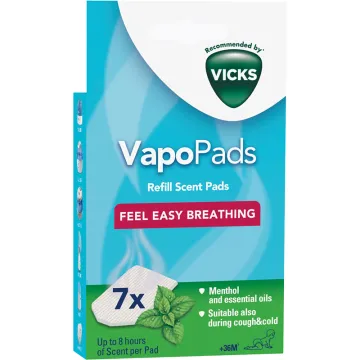
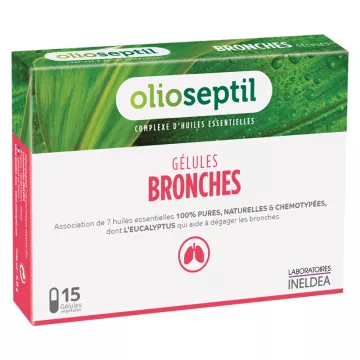
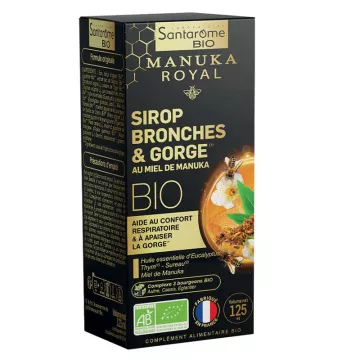
Natural and preventive approaches complement medical care—they do not replace it, particularly for obstructive conditions (asthma, COPD) that require pulmonological follow-up. Respiratory comfort dietary supplements and respiratory essential oils support daily respiratory comfort.
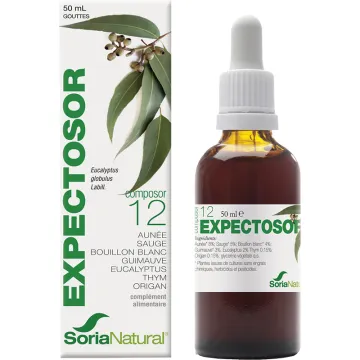
- Thyme (Thymus vulgaris): expectorant thymol + bronchial antiseptic + antispasmodic — as an infusion or standardized extract — supports mucociliary clearance and the elimination of bronchial secretions — the EMA recognizes its well-established traditional use for catarrhal conditions of the respiratory tract
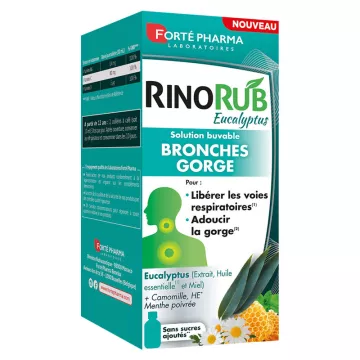
- Eucalyptus globulus: 1,8-cineole: mucolytic and mild bronchodilator — via steam inhalation or diluted essential oil — decongests the bronchi and facilitates expectoration — not recommended for children under 6 years of age or pregnant women when applied to the skin or inhaled directly
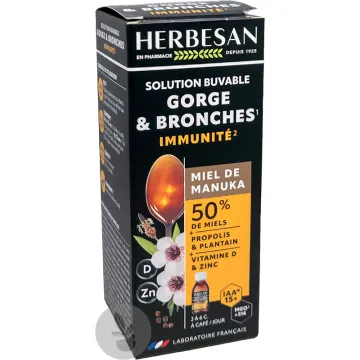
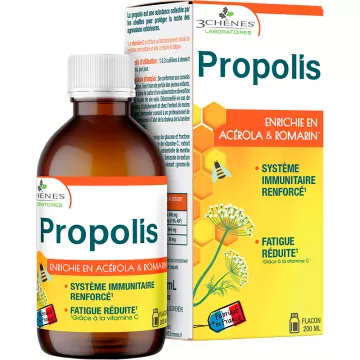
- Propolis: bee resin rich in flavonoids (chrysin, galangin) and phenolic acids — documented antibacterial and antiviral activity against ENT and bronchial pathogens — for preventive support of the lower respiratory tract’s immune defenses during the winter months
- General prevention: smoking cessation (Tabac Info Service: 3989 — the primary modifiable risk factor) — limiting exposure to indoor (VOCs, mold) and outdoor pollutants — annual flu and pneumococcal vaccinations based on age and comorbidities — regular physical exercise (improves ventilatory capacity and strengthens respiratory muscles) — adequate hydration (1.5 to 2 L/day — helps keep mucus thin)