What is bronchial secretion, and what is its normal function?
Bronchial secretion is the continuous production of mucus by the goblet cells and submucosal glands of the bronchial wall. This normal mucus (about 100 mL/day) forms a protective layer that traps inhaled particles, pathogens, and pollutants, and is then transported upward by the bronchial cilia (mucociliary clearance) to be swallowed or coughed up. This natural defense system is essential for lung health. Natural products for the respiratory tract and coughs are available in the store.
- Pathological bronchial hypersecretion: when mucus production exceeds the capacity of mucociliary clearance, mucus accumulates in the bronchi—this is known asbronchial congestion —causes include viral and bacterial infections (bronchitis, pneumonia), chronic diseases (COPD, asthma, cystic fibrosis), smoking, and environmental irritants
- Mucus color and consistency—clinical indicators: clear and runny (normal or early viral infection)—yellow during the established phase of a viral infection (Days 3–7 — normal, associated with neutrophils — does not necessarily indicate a bacterial infection) — thick, green mucus persisting for > 10 days + fever (suggestive of a bacterial superinfection) — streaked with blood (inflammation or mucosal lesion — requires further investigation)
- Difference between infectious and allergic secretions: infectious (thick, yellow-green mucus, associated with fever, fatigue, chest pain) — allergic (clear, watery mucus, associated with sneezing, nasal itching, clear rhinorrhea, seasonal or allergen-related context)
- Aggravating factors: tobacco (paralyzes the bronchial cilia and thickens the mucus—the primary cause of chronic hypersecretion) — air pollution — allergens (dust mites, pollen, mold) — dry, cold air — recurrent respiratory infections — humid conditions (mold)
Mucolytics vs. expectorants: what are the differences, and what are the natural remedies?
Two major classes of medications target bronchial secretions through complementary mechanisms. Mucolytics act on the molecular structure of mucus by breaking the disulfide bonds in mucins—they reduce viscosity without increasing the volume of secretions. Expectorants increase the volume of bronchial secretions by thinning them, which stimulates the cough reflex to clear the airways. Both require adequate hydration to be effective—water is the primary natural thinning agent.
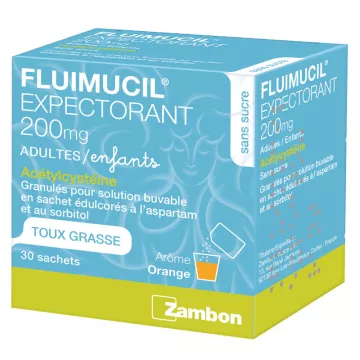
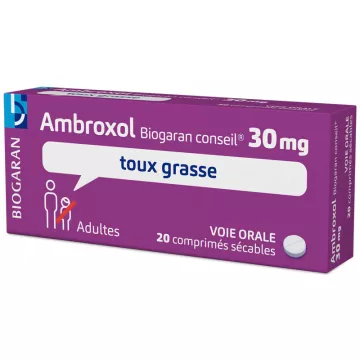
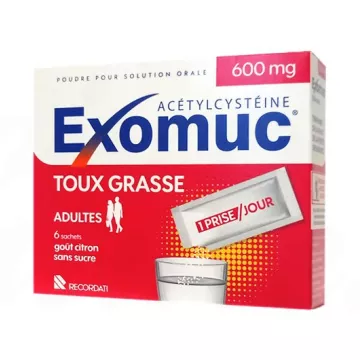
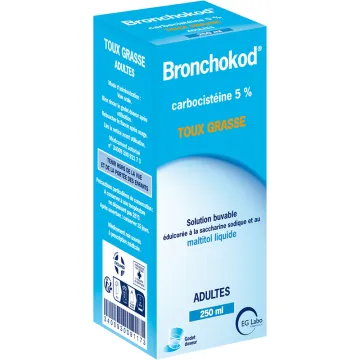
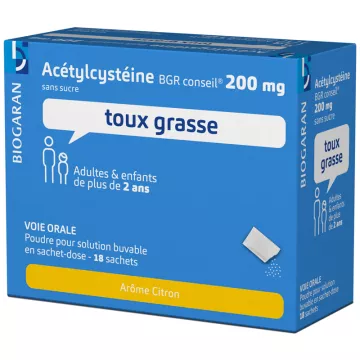
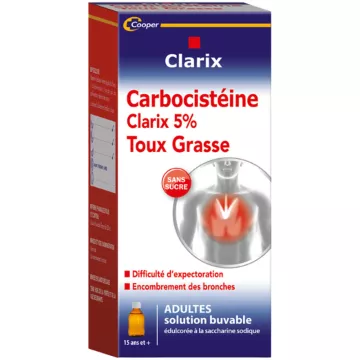
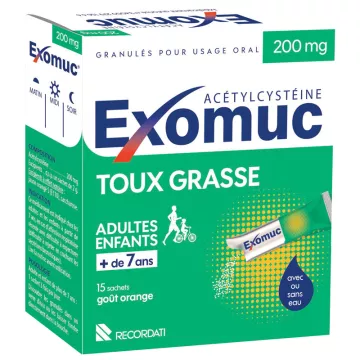
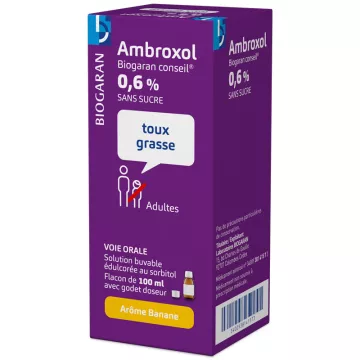
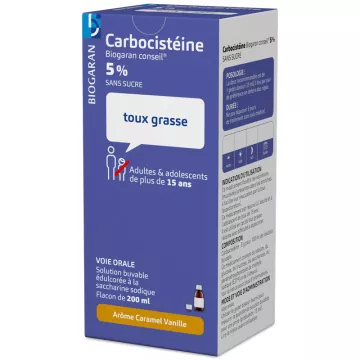
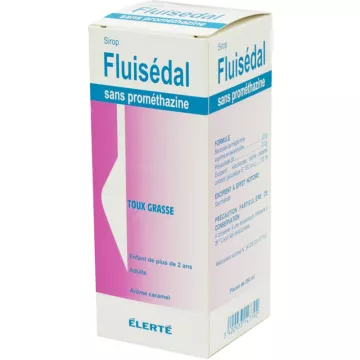
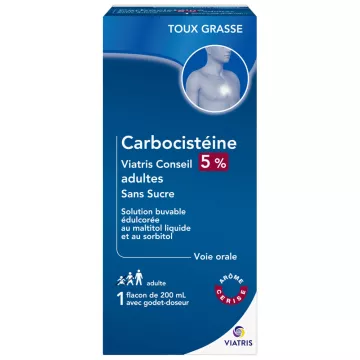
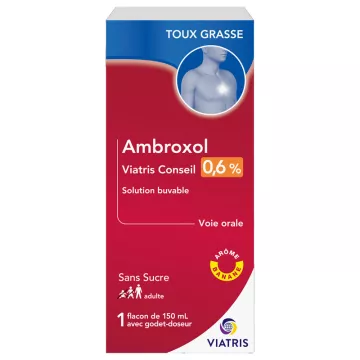
- Mucolytics: acetylcysteine/NAC (breaks disulfide bonds—dual action: mucolytic + bronchial antioxidant) — carbocysteine (changes the composition of acidic mucins to neutral) — ambroxol (stimulates pulmonary surfactant + mucolytic) — bromhexine — indicated for thick mucus that is difficult to cough up
- Expectorants: guaifenesin (increases secretion volume, decreases viscosity) — indicated to facilitate the expectoration of mucus that is present but not being adequately cleared — never combine with a cough suppressant (would block the clearance of thinned mucus)
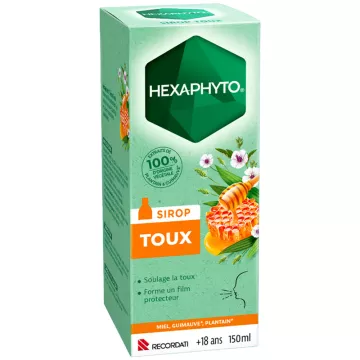
- Natural expectorants and mucolytics: thyme (thymol—expectorant + bronchial antispasmodic + antiseptic—as an infusion, 3 cups/day, or as a syrup) — eucalyptus (1,8-cineole: mucolytic + anti-inflammatory — as an inhalation or tea) — English ivy (Hedera helix— triterpene saponosides— expectorant and mild bronchodilator— one of the most extensively studied for productive coughs in children) — black radish (raphanol, which thins bronchial secretions)
- Honey: soothes mucous membranes irritated by repeated coughing — combined with thyme or lemon in a warm herbal tea to enhance the effect — contraindicated for children under 1 year of age — steam inhalations (10 minutes, 2 to 3 times a day) complement the medicinal treatment by directly moisturizing the bronchial mucous membranes
Inhaled Treatments and Management of Chronic Bronchial Secretions
In chronic conditions with persistent hypersecretion (COPD, chronic bronchitis, asthma, bronchiectasis), the management of bronchial secretions relies on a combined approach. Inhaled treatments provide direct action on the airways with minimal systemic effects—high local bioavailability and maximum mucosal concentration with minimal dosage.
- Inhaled bronchodilators: beta-2 agonists (rapid-acting salbutamol, long-acting formoterol) — anticholinergics (ipratropium, tiotropium) — dilate the bronchi, reduce airflow resistance, and mechanically improve mucociliary clearance — essential in COPD and asthma
- Inhaled corticosteroids: reduce bronchial inflammation and the production of inflammatory mucus — budesonide, fluticasone — maintenance therapy for persistent asthma — combined with long-acting bronchodilators in severe COPD
- Respiratory physical therapy: essential in cases of severe airway obstruction (cystic fibrosis, bronchiectasis, COPD) — autogenic drainage, slow expiratory flow (SEF) techniques, chest percussion — mechanically mobilizes secretions from the distal to the proximal bronchi to facilitate expectoration
- Prevention: annual flu vaccine + pneumococcal vaccine (reduce infections that exacerbate hypersecretion) — smoking cessation (gradual improvement in mucociliary clearance) — diet rich in antioxidants (vitamins C and E, zinc) — fluid intake of 1.5 to 2 L/day