Blonde hair offers a wide range of shades to suit every taste and skin tone. The main ones include: platinum blonde, which is very light, almost white—a bold choice that requires significant bleaching; ash blonde, with gray or silvery undertones, for a subtle, natural look; golden blonde, with warm, luminous highlights; honey blonde, a rich, multidimensional shade blending golden and amber tones; and beige blonde, a soft balance between ash and golden. Each shade requires a specific coloring and maintenance approach. To understand the bleaching and coloring techniques used to achieve these shades, the dedicated pages provide additional insight into this hair care routine.
The choice of blonde shade depends largely on your skin tone and its undertone:
Harmony with your skin tone—and especially whether your skin has warm or cool undertones—makes all the difference between a flattering color and one that makes your features look harsh. If you’re unsure, the advice of a colorist—who knows how to work with shades—is invaluable for customizing the shade.
The transition to blonde, often achieved through bleaching, must be done carefully to minimize damage. The first step is to consult an experienced colorist, who will assess the health of your hair and the feasibility of the project. Next, prepare the hair strands in advance with nourishing masks and strengthening treatments. For dark hair, proceed in stages: gradual lightening over several sessions is gentler on the hair shaft than a sudden, one-time bleaching. Bleaching opens the cuticle and permanently weakens the hair: it is the most aggressive hair treatment. After going blonde, a tailored and consistent hair care routine is essential for repair and protection. Patience and professional guidance are the keys to a successful transition without compromising the health of your hair.
Platinum blonde is one of the most demanding bleaching processes, requiring careful planning. Here are several points to consider in advance:
Platinum is not a “low-maintenance” color: it requires an investment of time and care. If your hair is already damaged, it’s best to skip it or postpone the process.
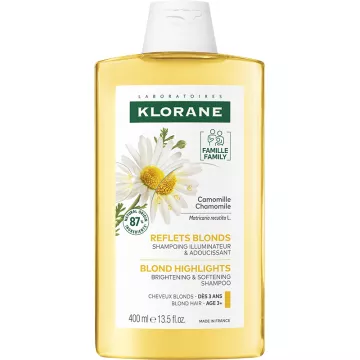
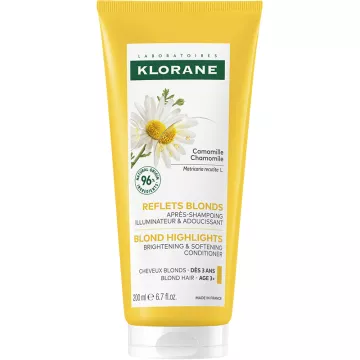
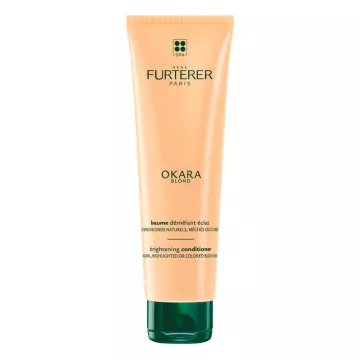
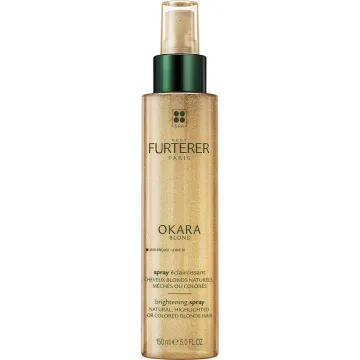
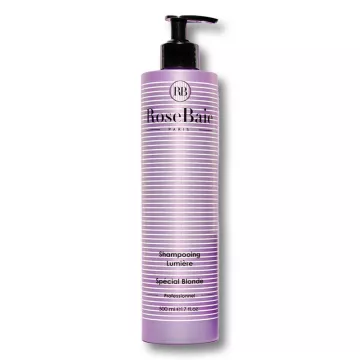
Blonde hair, especially bleached hair, requires special attention to preserve its color and vitality. Use products formulated for blonde hair that prevent yellowing and maintain shine. Moisturize regularly with deep conditioning treatments, as bleaching severely dries out the hair shaft. Protect your hair from the sun, as UV rays can alter the color: wear a hat and opt for protective products. Limit the use of heat styling tools (hair dryers, straighteners, curling irons), which damage already weakened hair strands, and always apply a heat protectant. Washing your hair less frequently and using a gentle, sulfate-free shampoo also helps prevent color fading. Maintaining blonde hair is demanding but crucial: it’s what makes the difference between a luminous, long-lasting color and a dull blonde that turns yellow.
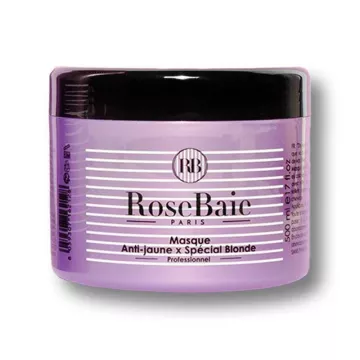
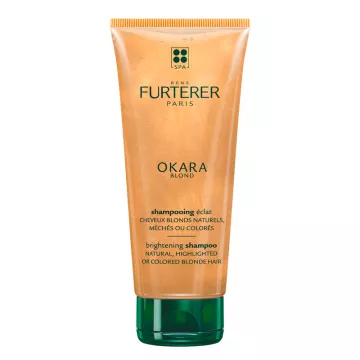
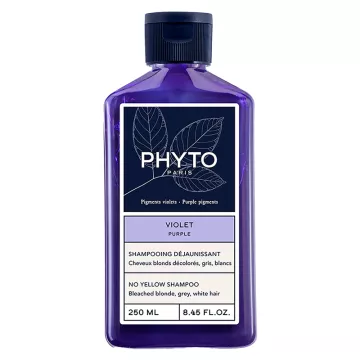
Several products help maintain health and shine. Lightening shampoos and conditioners, formulated for blondes, neutralize yellow tones and maintain brightness. Moisturizing masks rich in argan oil or shea butter counteract the dryness and frizz commonly found in bleached hair. Heat protectants are essential before using any heat styling tools. Purple shampoo, used about once a week, neutralizes yellow tones using the principle of complementary colors (purple against yellow) to maintain a fresh blonde shade. Be careful not to overuse it, as this can dull the color. A shampoo for color-treated hair is a useful addition to this routine to preserve the shade over time.
If bleaching or chemical treatments have damaged your blonde hair, there are several steps you can take to restore it. Trimming split ends regularly prevents breakage from traveling up the hair shaft. Use intensive masks and strengthening treatments to coat and improve the appearance of weakened areas. Reduce heat exposure: limit the use of flat irons and curling irons, and opt for natural hairstyles while your hair recovers. Intensely moisturize with rich products to restore lost suppleness. Keep in mind that these treatments improvethe hair’sappearance and manageability without actually rebuilding the hair shaft: hair that’s been severely damaged by bleaching often ends up needing to be cut off. The best repair is still prevention: space out bleaching sessions and continuously care for the hair to maintain healthy hair.
Blonde trends favor a natural look and low-maintenance styles: balayage (lighter strands for a dimensional, sun-kissed effect), very light Scandinavian blonde, and root shadow (intentionally darker roots to space out touch-ups). Balayage is appealing precisely because it minimizes the regrowth effect and reduces maintenance. To keep it looking its best: use products formulated for color-treated hair, avoid excessive washing—which can strip the color—schedule regular touch-ups with your colorist, and protect your hair from the sun with sunscreen and a hat. These “low-maintenance” trends are still hair color treatments that put a strain on the hair shaft: careful maintenance ensures a luminous and long-lasting result. Choosing a technique suited to your lifestyle and the health of your hair makes all the difference.