What is an antibacterial product, and how does it work?
An antibacterial product is a substance designed to inhibit the growth of or destroy bacteria, either on the skin (antiseptics), on surfaces (disinfectants), or inside the body (antibiotics—prescription only). In the context of over-the-counter health products, antibacterial products refer to skin antiseptics and surface disinfectants available without a prescription, as well as plants with antimicrobial activity used in dietary supplements. Antibacterial products are available in the store’s disinfectant, antiseptic, and hygiene product lines.
- Antibacterial mechanisms: disruption of the bacterial cell wall (alcohols, quaternary ammonium compounds) — denaturation of bacterial proteins (chlorhexidine, iodine) — inhibition of DNA synthesis (quinolones — prescription medications) — osmotic action (salt, honey)
- Distinction between antiseptics and disinfectants: antiseptic = for use on living tissue (skin, mucous membranes) — disinfectant = for use on inanimate surfaces (countertops, equipment) — a disinfectant should never be applied to the skin
- Common skin antiseptics available at drugstores: 70° ethyl alcohol (superficial wounds, skin preparation) — aqueous chlorhexidine (wounds, oral care, perineum) — povidone-iodine (Betadine) — 3% hydrogen peroxide (wound cleansing) — do not combine chlorhexidine and povidone-iodine (they inactivate each other)
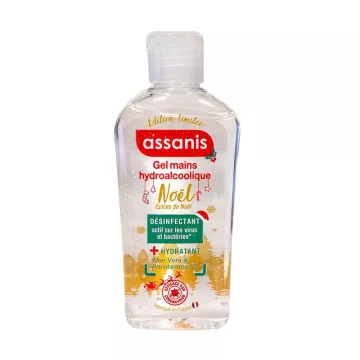
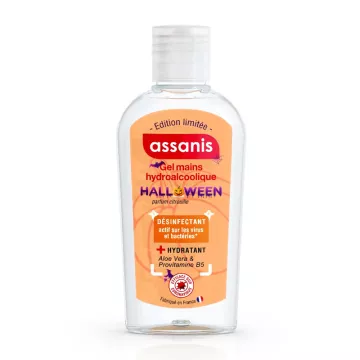
- Hydroalcoholic gels: hydroalcoholic solution containing >60% ethanol — rub for 30 seconds on dry hands — do not replace handwashing with soap and water when hands are soiled
Plants and natural active ingredients with antibacterial activity
- Propolis: flavonoids with broad-spectrum antibacterial activity — as an oral spray or topical solution — supports ENT health and treats minor oral wounds — Contraindication: allergy to bee products
- Manuka honey (MGO/UMF): methylglyoxal with antibacterial activity — topical application on minor wounds, mild burns, and skin abrasions — osmotic action and production of hydrogen peroxide — Manuka honey dressings
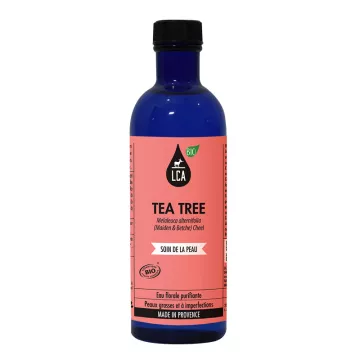
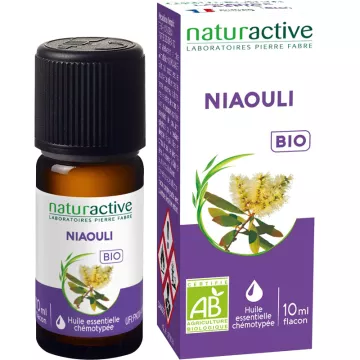
- Tea tree (Melaleuca alternifolia essential oil): terpinene-4-ol — broad-spectrum antibacterial and antifungal activity — for diluted topical application (2% in vegetable oil) on acne and minor superficial skin infections — never apply undiluted to broken skin — Contraindicated on mucous membranes — not recommended for children under 6 years of age or pregnant women
- Garlic: allicin — documented antibacterial activity against several strains — as a dietary supplement (standardized extract) to support the immune system — use with caution when taking anticoagulants
- Zinc: a trace element that acts as a cofactor for immunity — antibacterial activity in topical treatments (dermatology, acne) — 10 to 15 mg/day orally
Bacterial resistance and responsible use
- Antibiotic resistance: Inappropriate use of antibiotics (self-medication, premature discontinuation of treatment, use for viral infections) is the main cause of resistance—never self-medicate with antibiotics—consult a doctor for any suspected bacterial infection
- Limitations of non-medicated antibacterial products: Antiseptics and antibacterial herbs do not treat systemic bacterial infections — infected wound (extensive redness, warmth, pus, fever) → medical consultation required
- Environmental impact: Choose triclosan-free formulas (an endocrine disruptor—banned in many formulations)—properly recycle containers—opt for Ecocert-certified products
- Sensitive skin: Choose alcohol-free antiseptics or those containing diluted chlorhexidine—enriched with moisturizing agents (aloe, glycerin)—test on a small area before applying to a larger area—see personal hygiene products