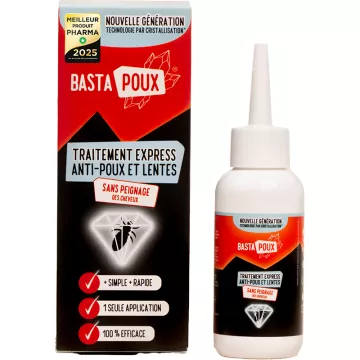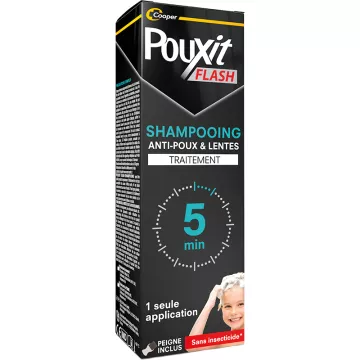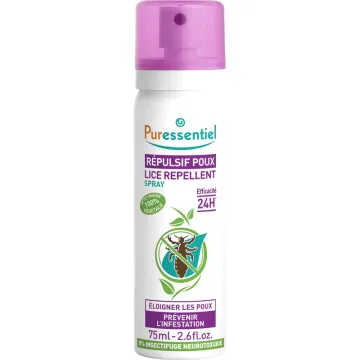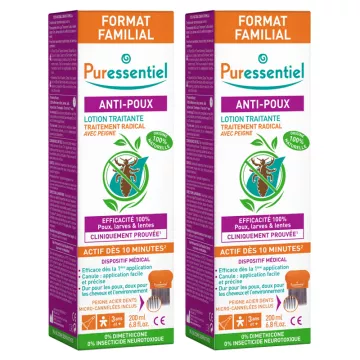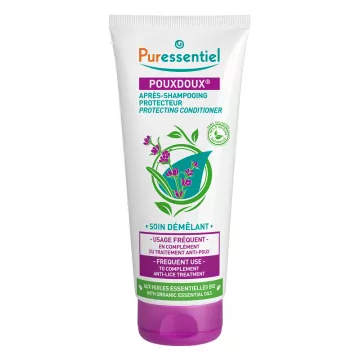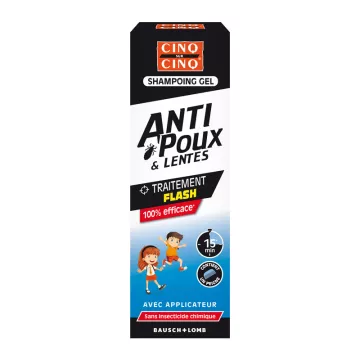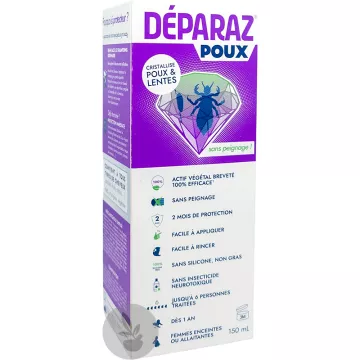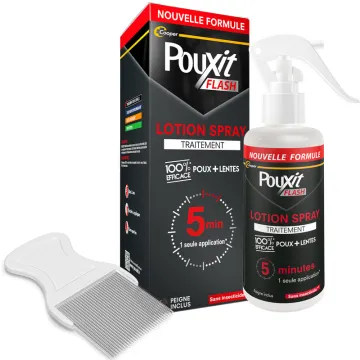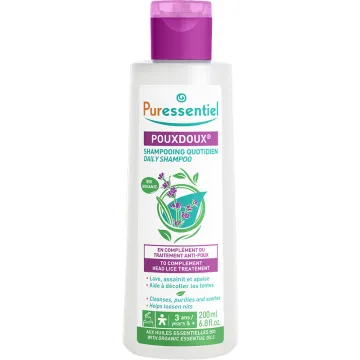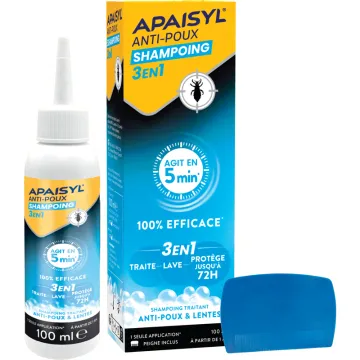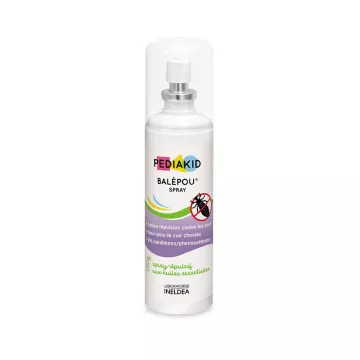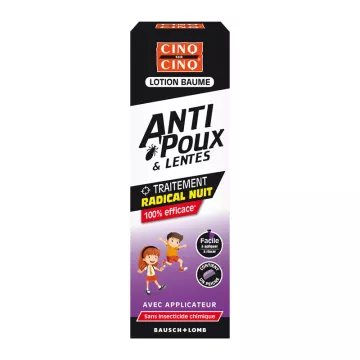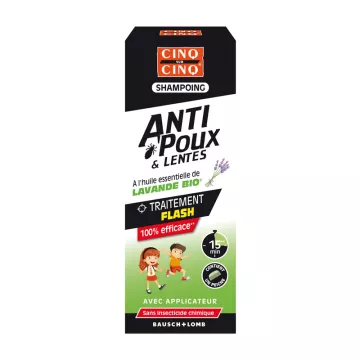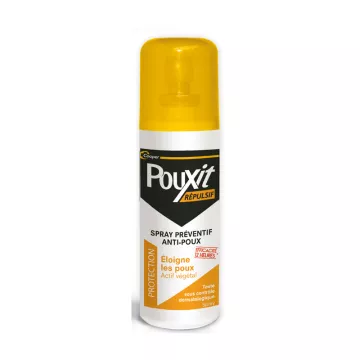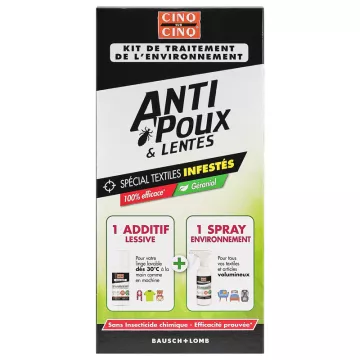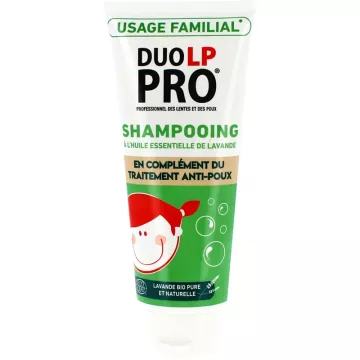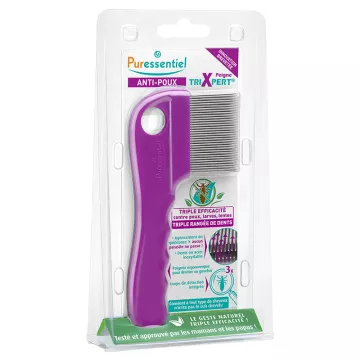
A lice treatment is a curative solution designed to eliminate head lice from the hair. It works by targeting the parasites at different stages of their life cycle: by suffocating them (the physical action of dimethicone, which coats and smothers them), by dehydrating them, or by paralyzing them with an insecticidal active ingredient such as permethrin. Unlike a preventive repellent, the treatment is used only in casesof confirmed infestation. Its effectiveness depends as much on the product as on thorough application and follow-up combing with a fine-toothed comb. It is the primary weapon against an infestation and should be part of a comprehensive approach that includes treating the environment and monitoring those around you.
Treatments come in several formulations, each with its own advantages:
In terms of ingredients, some products rely on natural active ingredients (tea tree, lavender), while others use active ingredients such as dimethicone or permethrin.
The most commonly recommended active ingredients are dimethicone, permethrin, and, among the natural options, tea tree essential oil. Dimethicone has the advantage of acting physically (by smothering), which limits the development of resistance —a phenomenon increasingly observed with insecticides such as permethrin. The choice depends on personal preferences (chemical or natural), scalp sensitivity, and the age of the person being treated. While natural active ingredients may be appealing, they remain less well-documented and require the same precautions regarding dilution and tolerance. Regardless of the substance, no active ingredient eliminates the need for thorough combing and repeated treatments: it is the combination of product, comb, and repeated application that ensures effectiveness, far more so than the choice of the active ingredient alone.
Consistent application is key to the results. Carefully follow the product instructions: most are applied to dry hair (sometimes damp, depending on the formula), covering the entire scalp and hair shafts, with special attention to the nape of the neck and around the ears—areas where lice tend to congregate. Strictly observe the recommended application time before rinsing thoroughly with lukewarm water. Then comb through the hair with a fine-toothed comb to remove lice and nits. The most common mistake is neglecting the application time or the combing step. Above all, don’t forget to repeat the treatment in 7–10 days: this second application is essential to eliminate lice that hatched from nits after the first treatment, which is the main cause of reinfestation.
The time required to eliminate the infestation depends on its severity, the product used, and how thoroughly it is applied. As a general rule, a second application is recommended after one week to interrupt the lice life cycle and ensure complete eradication. Precautions: Avoid contact with the eyes and mucous membranes; do not apply to irritated skin or open wounds; follow the recommended application times; and wash your hands thoroughly after use. Most treatments are safe for children, but it is recommended to consult a healthcare professional before use, especially for young children and infants, for whom physical methods (combing) are preferred. If the scalp is irritated or sensitive, seek advice before applying.
Several natural remedies are recommended for treating lice: olive oil, coconut oil, tea tree essential oil, and apple cider vinegar. Oily substances work primarily by smothering the lice and make combing easier by lubricating the hair shaft. However, their effectiveness varies and is less well-documented than that of specialized products, particularly against nits. Essential oils are potent and must always be diluted; they are not recommended for young children or pregnant or breastfeeding women. It is prudent to seek advice from a healthcare professional before using them. These solutions can complement a treatment plan, but when dealing with an established infestation, proven methods remain the gold standard. Natural does not guarantee safety or effectiveness: caution and repeated combing are paramount.
After treatment, preventing reinfestation is essential. Wash clothing, bedding, and personal items that have recently come into contact with the head at a high temperature (at least 60°C), or seal them in an airtight bag. Avoid sharing personal items: brushes, combs, hats, and scarves. Regularly check the head and scalp for any early signs. Teach children not to share personal items. Note: Lice do not jump or fly—they are transmitted through direct head-to-head contact or via contaminated objects. Head lice survive only briefly off the scalp (about 24 hours). Finally, pets do not transmit human lice, which are species-specific. This monitoring is a natural part of the hair care routine during the school year.
There are several situations that warrant consulting a healthcare professional: symptoms that persist despite proper treatment (possible resistance), a severe infestation, or signs ofinfection (marked redness, intense itching, or sores from scratching). Itching may persist for a few days after the lice have been eliminated; this is simply a result of scratching and does not indicate that the treatment has failed. Any concerns regarding the use of chemical or natural products, particularly in children, also warrant personalized advice. Note that head lice (found on the scalp) and body lice (living in clothing) are two distinct species requiring different treatments. A pharmacist or doctor can help you choose the most appropriate solution and rule out any potential complications.