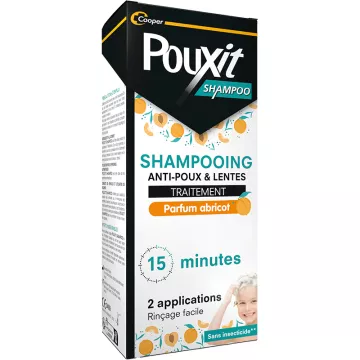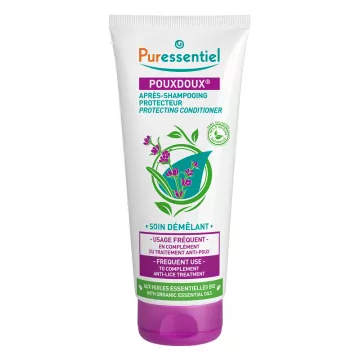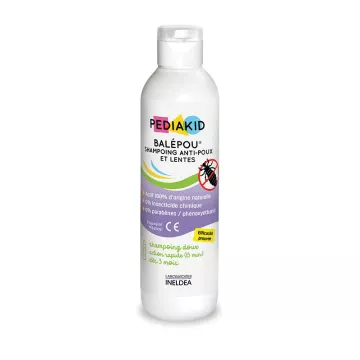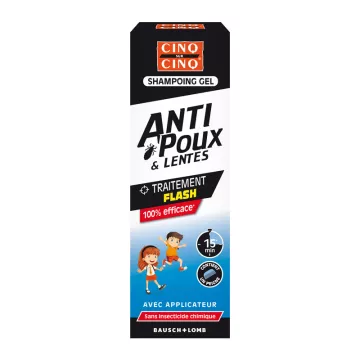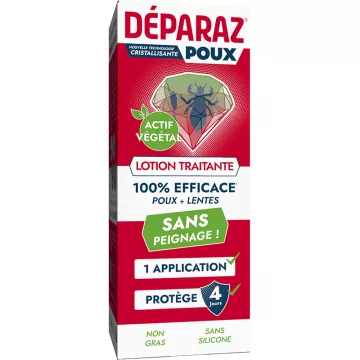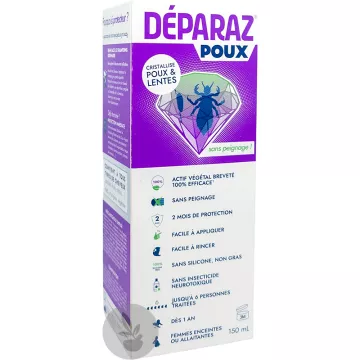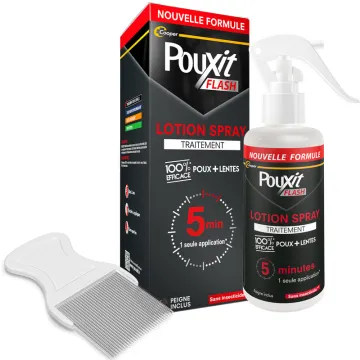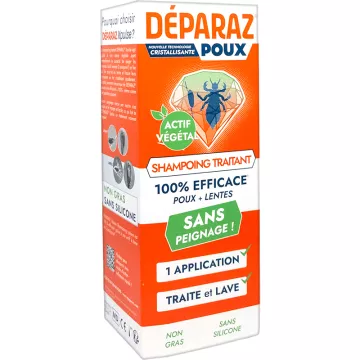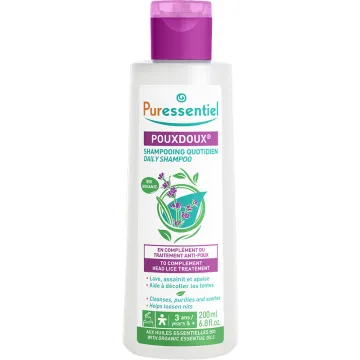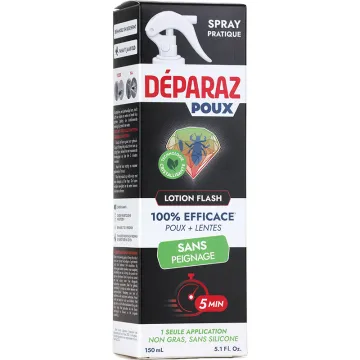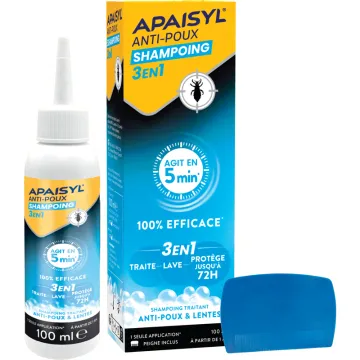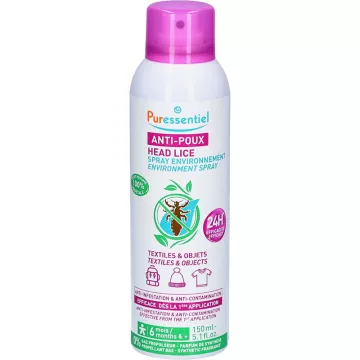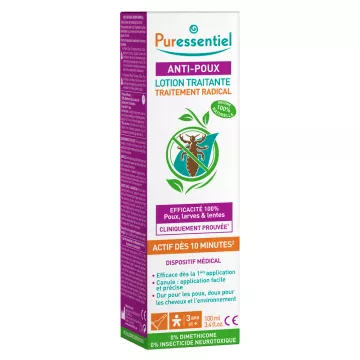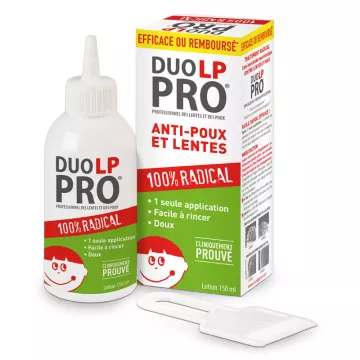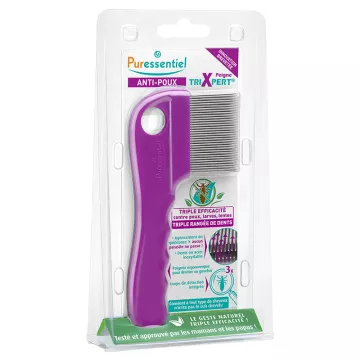
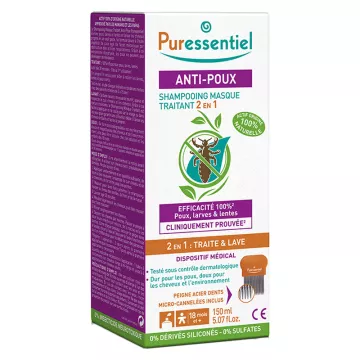

Head lice are small external parasites that feed on human blood and live in the hair; they are particularly common among school-age children. Getting rid of them effectively requires a comprehensive approach: treating the hair with an appropriate anti-lice product, mechanically removing lice and nits with a fine-toothed comb, and sanitizing the environment to prevent reinfestation. Thoroughness is essential: follow the product instructions carefully and repeat the treatment if necessary (often after 7–10 days to eliminate lice that have hatched from nits in the meantime). Head lice have nothing to do with poor hygiene. An infestation can be effectively managed today, provided you take a methodical approach and do not neglect the hair treatment, scalp comfort, or the environment.
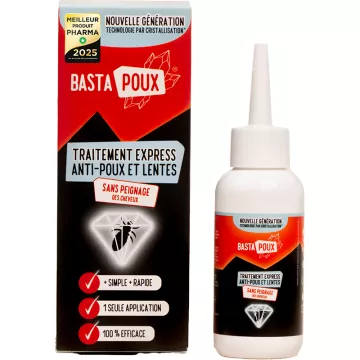
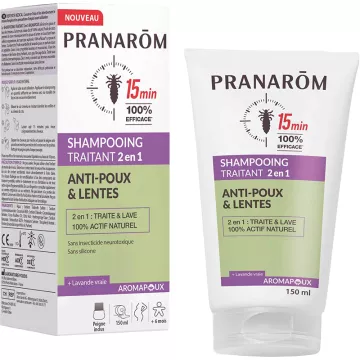
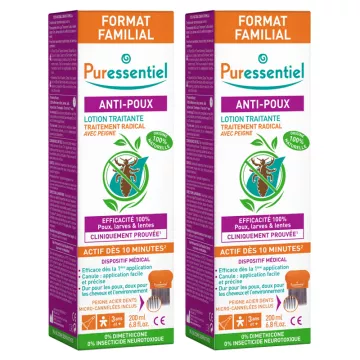
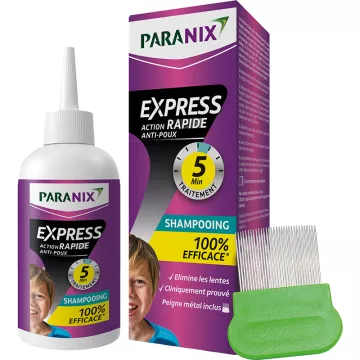
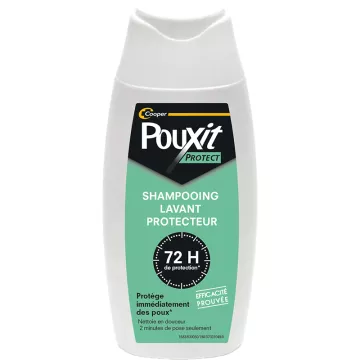
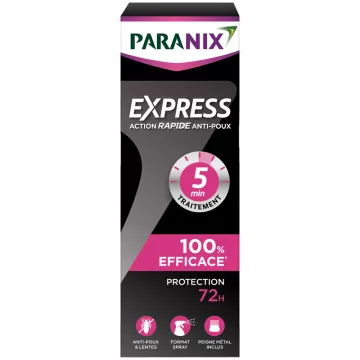
Anti-lice treatments have evolved into solutions that are both effective and better tolerated:
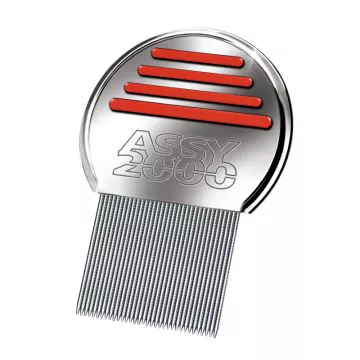
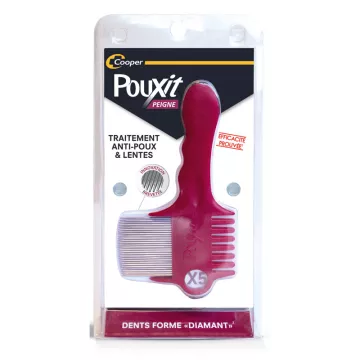
Thorough combing with a very fine-toothed comb remains a key step, regardless of the method chosen, to verify the treatment’s effectiveness and dislodge nits clinging to the hair shaft.
Nits and dandruff look similar at first glance, but they are distinctly different. Nits (lice eggs) are small oval capsules firmly attached to the hair shaft, near the scalp, and do not come loose simply by brushing or shaking the head. Dandruff, on the other hand, consists of flakes of skin that come off easily and rest on the scalp rather than being stuck to the hair. To confirm, use a fine-toothed comb: nits will remain attached, while dandruff flakes will slide off. This distinction is important because it guides you toward the right course of action: an anti-lice treatment is pointless for simple dandruff, which requires scalp care, and vice versa. If in doubt, a careful examination in daylight can help you decide.
Natural remedies are often presented as alternatives, but their effectiveness varies and is less well-documented than that of specialized products. Essential oils such astea tree or lavender are known to repel lice, but they do not replace a curative treatment in the event of a confirmed infestation. Their use requires strict precautions: always dilute them in a vegetable oil, never apply them undiluted, and avoid using them on young children and pregnant or breastfeeding women due to the risk of adverse reactions and contraindications. Professional advice is recommended before any use. As a preventive measure, they may complement other steps, but when dealing with an established infestation, proven methods (dimethicone, combing) remain the gold standard. Caution should take precedence over the belief that a “natural” solution is necessarily risk-free.
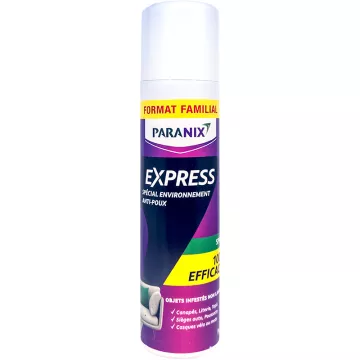
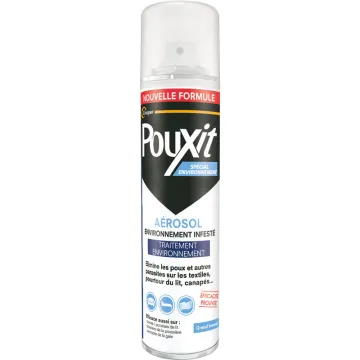
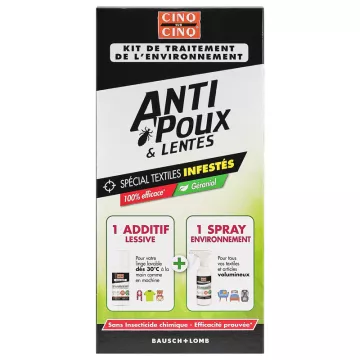
Treating only the hair is not enough:the environment must also be sanitized to prevent reinfestation. Wash sheets, pillowcases, clothing, scarves, and hats that have recently come into contact with the head at a high temperature (at least 60°C). Items that cannot be washed (stuffed animals, certain textiles) can be sealed in an airtight bag for two weeks, which is longer than the survival period for lice and the hatching period for nits. Disinfect brushes and combs by soaking them in hot water. This step is especially important because detached nits can remain viable for up to two weeks on fabrics. However, there is no need to treat the entire house with insecticides: lice do not survive long away from the human scalp. Targeted cleaning of nearby textiles is sufficient, combined with treatment of infested individuals.
Treating young children requires special care. Some anti-lice products are not recommended for children under two years of age, and essential oils should never be used on toddlers. For these children, prioritize physical methods: thorough and repeated wet combing with a fine-toothed lice comb, on detangled hair coated with conditioner to make combing easier, possibly combined with mild solutions specifically formulated for their age group. It is essential to consult a healthcare professional (pharmacist, doctor) before applying any lice treatment to a young child, in order to choose a suitable and safe product. Patience and consistent combing are often key with very young children, for whom safety takes precedence over speed. In group settings, notifying the school helps limit the spread.
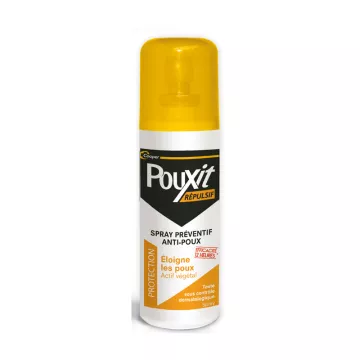
Prevention reduces the risk, though there is no absolute guarantee. Avoid sharing personal items: brushes, combs, hats, scarves, and helmets. Tie back long hair, especially during high-risk periods such as the start of the school year. Check children’s heads regularly, especially if itchiness has been reported in group settings. It is essential to educate children not to share hats and accessories. Certain repellent products can be used preventively during high-risk periods, but their effectiveness is limited, and they do not replace vigilance. Early detection, through careful examination and follow-up combing, remains the best course of action: treating an infestation in its early stages is much simpler than dealing with an established and widespread infestation. Incorporating these checks into the hair care routine during the school year is a good habit.
Good news: unlike other parasites, head lice are not known to transmit diseases. Their main drawback is the discomfort they cause: sometimes intense itching and scalp irritation from scratching. The main risk isa secondary infection: constant scratching can cause sores to become infected, which may require medical attention. It’s worth noting that head lice generally do not survive more than 24 to 48 hours away from the scalp because they cannot feed, which explains why transmission occurs primarily through direct head-to-head contact. An infestation, although unpleasant and persistent, is therefore medically benign, provided it is treated to prevent complications from scratching and the spread to others.