Yuzu (Citrus junos) is an Asian citrus fruit native to China and widely cultivated in Japan and Korea; its essential oil and zest extracts are used in aromatherapy and cosmetics for their unique aromatic profile and high antioxidant content. Its complex fragrance—tangy, floral, and slightly spicy—distinguishes it clearly from lemon, bergamot, and mandarin. Explore our aromatherapy line.
What is yuzu in aromatherapy?
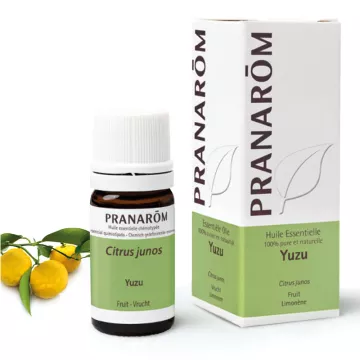
Yuzu essential oil is extracted by cold-pressing the fruit’s peel—a method that preserves all of the volatile aromatic compounds. Its biochemical profile is dominated by monoterpenes (limonene 60–70%, γ-terpinene, β-myrcene), complemented by aromatic aldehydes (citral) and esters that give it its floral-spicy complexity. Like all citrus peel essential oils, it is phototoxic —do not apply to the skin before UV exposure. Its scent is highly prized in Japanese fine perfumery and in natural cosmetic formulations. Compare it with its cousins in the citrus family: bergamot (floral-fruity), mandarin (sweet), and petitgrain bigarade (non-phototoxic).
Aromatherapeutic Properties and Uses?
Yuzu essential oil is primarily used for its effects on emotional well-being and relaxation.
- Supports mood and emotional well-being: its fresh, complex aroma acts on the limbic system—promoting a sense of emotional lightness and reducing perceived stress
- Room Diffusion: 5–8 drops in an ultrasonic diffuser—for a maximum of 20 to 30 minutes—purifies the air and creates a soothing and invigorating atmosphere
- Combine with neroli for a floral-citrus synergy with a rich, complex scent, or with bergamot to enhance the calming effect
- Traditional Japanese use: the yuzu bath (yuzu-yu), taken on the winter solstice for well-being and relaxation—a few drops of essential oil diluted in a carrier oil before adding to the bathwater
- Topical use: Always dilute to 1–2% in a carrier oil— do not apply before sun exposure (phototoxic)
Yuzu and Cosmetics: What Active Ingredients?
Yuzu extracts are highly sought after in natural cosmetics for their antioxidant properties and signature fragrance.
- Natural vitamin C: Yuzu is one of the citrus fruits with the highest concentration of vitamin C (150 mg/100 g of juice)—a cofactor in skin collagen synthesis and a protective antioxidant
- Specific flavonoids (naringenin, hesperetin): antioxidant active ingredients that support the protection of skin cell membranes
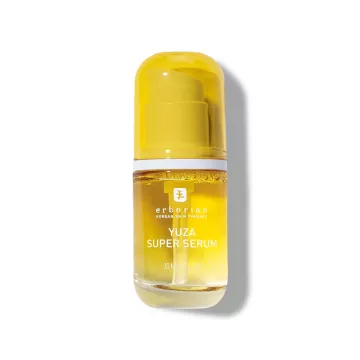
- Incorporated into serums, creams, and complexion-brightening treatments: its natural acidity promotes a gentle exfoliating effect and radiance
- Hair care: Yuzu extracts support hair hydration and shine in Japanese naturo-cosmetic products
- Perfume and natural cosmetics: a signature top note in fresh formulas—very on-trend in “Japandi” and minimalist skincare
Yuzu and Immunity: A Seasonal Active Ingredient?
Yuzu has been used in Japan for centuries to prepare the body for winter.
- Vitamin C content: 2 to 3 times higher than that of lemons—an active ingredient that supports the immune system during the winter months
- Flavonoids and carotenoids: enhance the antioxidant properties of natural vitamin C through synergistic cofactor effects
- Available as standardized extracts (yuzu powder, concentrated juice) in dietary supplements designed to support immunity
- Not to be confused with essential oil from the peel (for topical and aromatic use only)—only aqueous extracts are suitable for oral use
Precautions for use?
Yuzu essential oil requires the same precautions as all citrus peel essential oils.
- Phototoxic: Do not apply to skin exposed to sunlight or artificial UV light within 12 to 24 hours of application
- Always dilute to 1–2% in a vegetable oil for topical use—never apply undiluted to the skin
- Citrus allergy: contraindicated—limonene is a documented potential allergen (Annex II of Regulation (EC) No. 1223/2009)
- Pregnant women (first trimester) and young children under 3 years of age: avoid—consult a doctor or pharmacist
- Storage: in a tinted bottle, protected from heat and light — best before 1 to 2 years after opening