Winter illnesses encompass a range of infectious conditions whose incidence rises sharply between October and March. The full spectrum includes nasopharyngitis (3 to 6 episodes per year in children), rhinitis and sinusitis, acute bronchitis, otitis media, tonsillitis (70–80% viral; 20–30% bacterial, caused by Group A streptococcus), and norovirus gastroenteritis (peaking in winter from November to March). These conditions share common risk factors—cold, dry air that weakens the mucous membranes, close contact with others, and low vitamin D3 levels. A comprehensive preventive strategy covering the entire spectrum is more effective than approaches targeting a single pathogen.
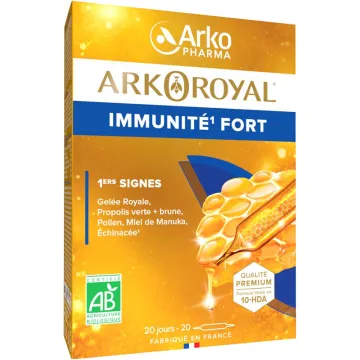
Royal jelly (10-HDA, royalactin proteins) stimulates macrophages, NK cells, and the production of type I interferons, while providing B vitamins, essential amino acids, and minerals. Arkoroyal Immunité Fort Bio and Vitaflor Royal Jelly 2,500 mg + Vitamin D are two leading formulas for winter health regimens. Selenium (55–200 µg/day) is a cofactor for glutathione peroxidase, which protects immune cells from inflammatory oxidative stress, and of thioredoxin reductase, which is involved in regulating innate antiviral immunity—a deficiency in selenium significantly increases the virulence of influenza viruses in experimental models.
Turmeric (curcuminoids, 500–1,000 mg/day in a bioavailable form) inhibits NF-κB and COX-2 in the bronchial epithelium—reducing mucosal inflammation that promotes the adhesion of pathogens. Its action is particularly relevant during the acute phase of bronchitis or nasopharyngitis to reduce mucosal hyperreactivity. Vitamin A (retinol, 5,000 IU/day) is essential for the differentiation of mucus-producing goblet cells throughout the respiratory tract—a deficiency causes squamous metaplasia, which weakens the nasal and bronchial mucous membranes, increasing susceptibility to winter infections.
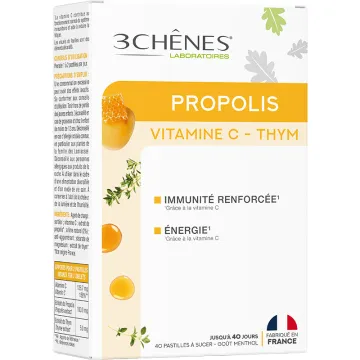
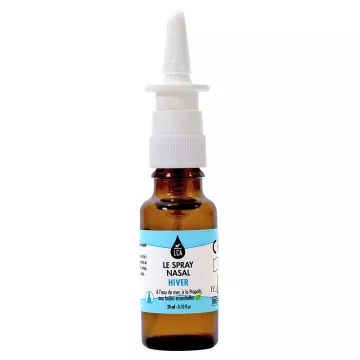
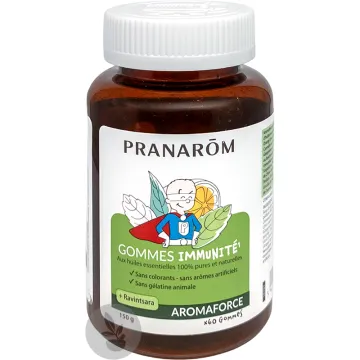
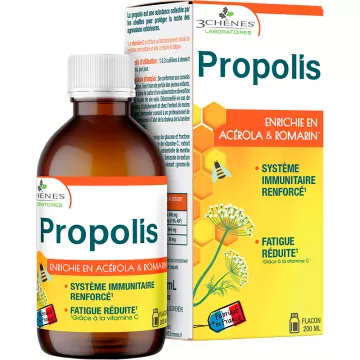
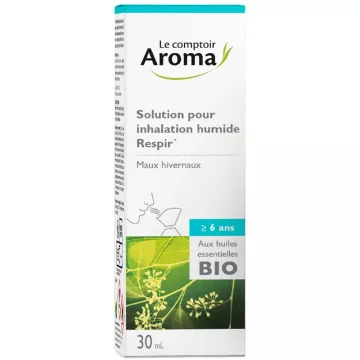
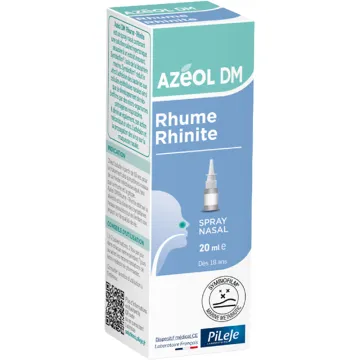
Two topical formulations that act locally on the upper respiratory tract. Essential oil nasal sprays (LCA Spray HE, Pileje Azéol) combine ravintsara, niaouli, and eucalyptus radiata essential oils in an isotonic nasal solution—providing antiviral contact action on the mucous membrane and stimulating mucociliary clearance. Topical propolis (3Chênes lozenges, Pranarom Aromaforce gum) releases its flavonoids directly onto the oropharyngeal mucous membranes—providing antibacterial, antiviral, and anti-inflammatory effects at the site of initial infection. These topical formulations complement systemic approaches by creating an active barrier where pathogens come into contact with the body.
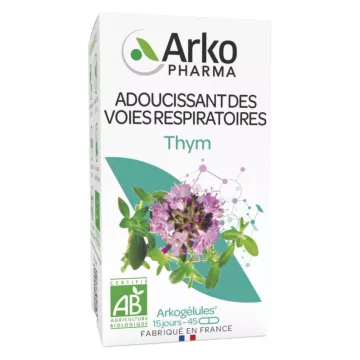
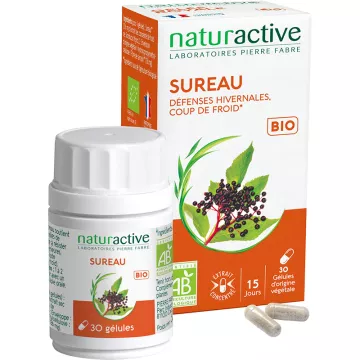
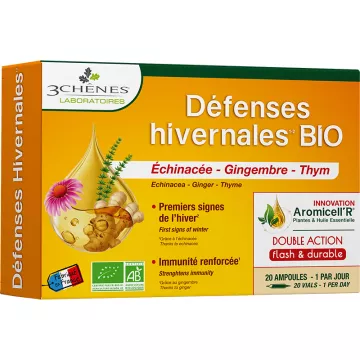
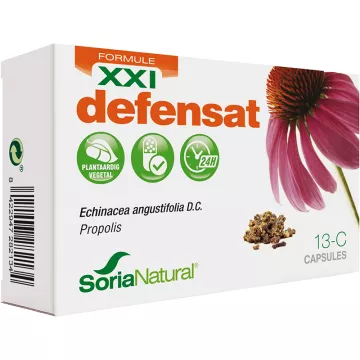
A complete winter kit is organized into four categories. Long-term prevention (starting in October): vitamin D3 + zinc + selenium + royal jelly. Active support (at the first signs of illness): echinacea + propolis + elderberry. Topical remedies: essential oil nasal spray + propolis lozenges + thyme capsules. Homeopathy: Influenzinum 9CH (flu prevention), Oscillococcinum (first chills), Yersin Serum (confirmed flu-like syndrome). For recurrent nasopharyngitis in children, the combination of probiotics + propolis + vitamin D3 is the best-documented preventive trio. Preventing flu-like symptoms rounds out this regimen.
Norovirus gastroenteritis (winter gastroenteritis) is transmitted via the fecal-oral route and through aerosolized vomit—it is extremely contagious (infectious dose: 10 to 100 viruses). Prevention relies on thorough hand hygiene (washing with soap for 30 seconds—hand sanitizer is not very effective against norovirus), disinfecting surfaces with diluted bleach (0.5%), and staying home from school or work for 48 hours after symptoms subside. From a nutritional perspective, probiotics (Lactobacillus rhamnosus GG, Saccharomyces boulardii) reduce the duration of diarrhea by 1 to 2 days, according to several meta-analyses, and zinc (20 mg/day in children) accelerates the recovery of the intestinal mucosa, according to the WHO.