


Not all winter flu-like illnesses are caused by the influenza virus—they encompass a range of febrile respiratory syndromes linked to about ten different viruses. Rhinovirus (30–50% of cases), seasonal coronavirus (10–15%), RSV (more common in children), human metapneumovirus, and parainfluenza join influenza A and B on this list. Comprehensive prevention of flu-like illnesses therefore requires a multifaceted immune-based approach covering all of these pathogens—beyond a strategy focused solely on influenza.
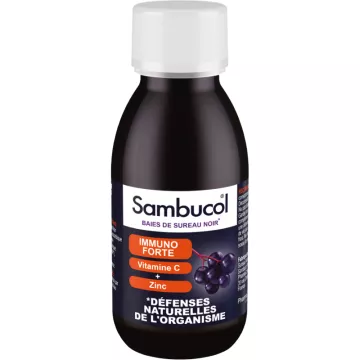
Propolis (an ethanol extract standardized for flavonoids) exhibits broad-spectrum antibacterial activity against post-viral bacterial superinfections and documented antiviral activity against rhinoviruses and the influenza virus (Schnitzler et al., 2010). Sambucol Immuno Forte combines elderberry, propolis, and vitamin C to simultaneously address both antiviral and antibacterial mechanisms. Honey (manuka or thyme) soothes the throat through its film-forming and antibacterial action—its effectiveness against nighttime coughs in children was superior to that of dextromethorphan in a randomized study (Paul et al., 2007).
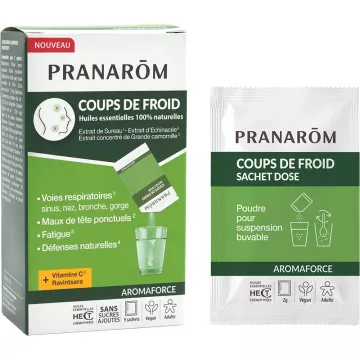
Thyme (Thymus vulgaris, thymol ≥ 20%) is antiviral against rhinovirus and influenza, antibacterial against S. aureus and H. influenzae, and acts as an expectorant by stimulating bronchial cilia—a triple action particularly relevant for flu-like illnesses with bronchial symptoms. Pranarom Aromaforce Cold Relief combines essential oils of thyme, ravintsara, and niaouli in a formula designed to support the respiratory tract. Cinnamon (cinnamaldehyde) exerts powerful antibacterial and antiviral activity and stimulates the production of pro-inflammatory cytokines during the acute phase, which accelerate the elimination of pathogens.
70% of the body’s immune cells are located in the intestinal mucosa (GALT). Glutamine (5–10 g/day) is the primary fuel for enterocytes and intestinal lymphocytes—it maintains the integrity of the mucosal tight junctions, reduces intestinal permeability, and preserves the responsiveness of B and T lymphocytes during periods of winter stress (cold, fatigue, nutritional deficiency). Taking glutamine supplements strengthens the gut’s defense against pathogens, working in synergy with probiotics.
An effective approach is based on four simultaneous levels. Nasal barrier: daily isotonic spray + ravintsara essential oil in a diffuser. Innate immunity: propolis + thyme + honey at the first sign of chills. Adaptive immunity: echinacea + astragalus as a preventive regimen from October through March. Basic nutrition: vitamin D3 (1,500–2,000 IU/day), zinc (15 mg/day), vitamin C (500 mg/day), and glutamine (5 g/day). For full-blown flu-like symptoms with a persistent fever > 39 °C or breathing difficulties, seek medical attention immediately. Prevention of influenza itself complements this comprehensive approach.
The vast majority of flu-like symptoms resolve within 5 to 7 days with rest, hydration, and natural supportive remedies. Certain signs require medical attention: a fever > 39.5 °C that persists for more than 3 days or recurs after improvement (risk of bacterial superinfection—otitis, sinusitis, pneumonia), difficulty breathing or shortness of breath, dehydration (dry mucous membranes, lack of urination), or a significant deterioration in overall health in older adults or immunocompromised individuals. Antiviral medications (oseltamivir) are most effective when administered within the first 48 hours after the onset of flu-like symptoms—hence the importance of prompt medical evaluation for at-risk patients.