The vaginal mucosa is the layer of epithelial tissue that lines the inside of the vagina. It plays three essential roles: providing mechanical protection against pathogens, offering natural lubrication necessary for daily comfort and sexual health, and ensuring constant cell renewal to maintain its integrity. Its health is closely tied to the balance of the vaginal flora, hormonal regulation, and adequate hydration.
Several signs indicate an imbalance in the vaginal lining. Vaginal dryness, accompanied by itching or burning, is the most common sign—often linked to a lack of estrogen. Discharge that is unusual in color, odor, or consistency; pain or irritation during sexual intercourse; and a persistent unpleasant odor are also warning signs that require a medical consultation.
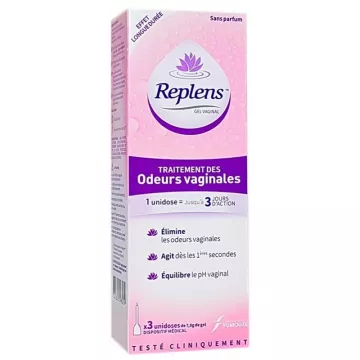
Vaginal pH—normally between 3.8 and 4.5—is key to the health of the vaginal lining. This slightly acidic environment inhibits the growth of pathogenic bacteria and yeast while promoting protective lactobacilli. A pH that is too alkaline—due to vaginal douches, antibiotics, or hormonal imbalance—weakens the mucosa and paves the way for infections. Maintaining this optimal pH is the top priority of any intimate hygiene routine.
Estrogens are the key hormones for vaginal mucosal health. They stimulate the growth of epithelial cells, maintain the thickness and elasticity of the tissue, and sustain glycogen production—the nutrient substrate for lactobacilli. During pregnancy, hormonal fluctuations increase secretions and alter the pH. At menopause, the drop in estrogen leads to progressive mucosal atrophy, which causes dryness and pain.
Several micronutrients play a well-documented role in maintaining the vaginal mucosa. Vitamin A is essential for the renewal of epithelial cells. Omega-3 fatty acids, which have anti-inflammatory properties, support the suppleness and hydration of mucosal tissues. Vitamin D3 modulates the local immune response. Overall hydration—at least 1.5 to 2 liters of water per day—is key to the quality of natural lubrication.
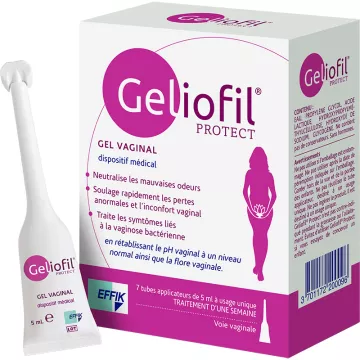
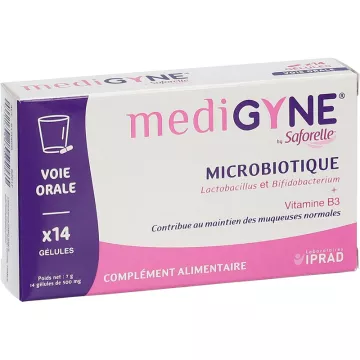
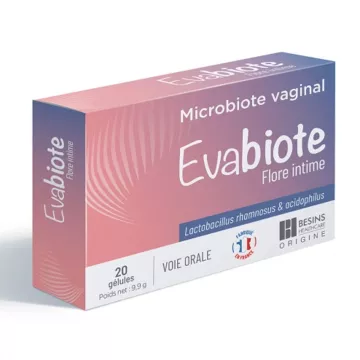
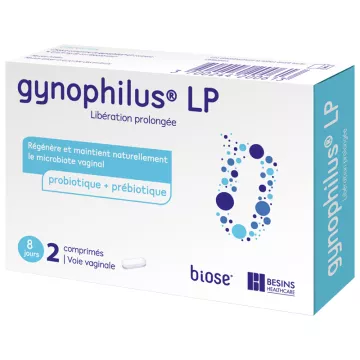
Yes. Probiotics containing lactobacilli—particularly Lactobacillus rhamnosus GR-1 and Lactobacillus reuteri RC-14—restore and maintain the protective vaginal flora. When taken orally or applied topically, they lower the pH, limit the growth of Candida and anaerobic bacteria, and reduce the frequency of recurrent bacterial vaginosis and yeast infections. They are particularly recommended after a course of antibiotic therapy.
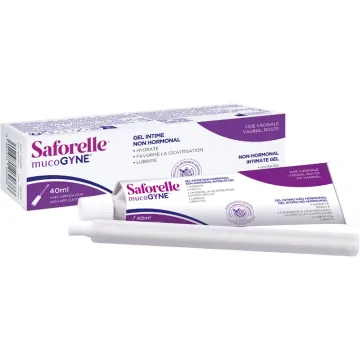
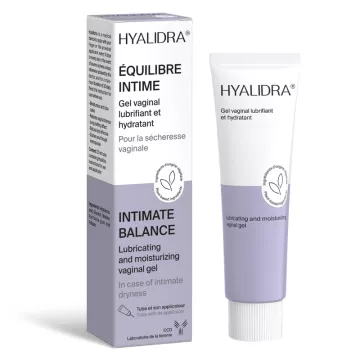
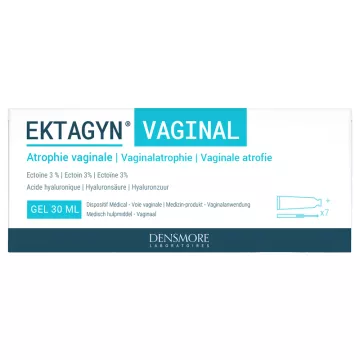
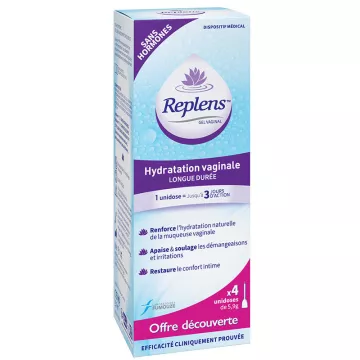
In cases of mucosal dryness—such as during menopause, breastfeeding, or medication use—several topical solutions are available.Sodium hyaluronate, a highly hygroscopic molecule, deeply moisturizes the mucosa and restores its suppleness. Water-based lubricants provide immediate relief during sexual intercourse. Topical vaginal estrogens—creams, suppositories, and rings—restore the thickness of the epithelium in postmenopausal women. These treatments must be tailored to each woman’s medical profile.
Chronic stress weakens the vaginal lining through two main mechanisms. It disrupts the hormonal axis by raising cortisol levels, which indirectly reduces estrogen levels and exacerbates dryness. It also weakens local immunity, making the lining more vulnerable to fungal and bacterial infections. Regular stress management practices—such as yoga, meditation, and physical activity—help maintain hormonal balance and the health of the vaginal lining over the long term.