What is tingling (paresthesia), and what causes it?
Tingling —medically known as paresthesia—refers to abnormal sensations (such as pins and needles, numbness, a sensation of an “electric current,” or “small insects crawling under the skin”) that occur without an external stimulus. It results from a disruption in nerve conduction, whether mechanical, metabolic, or nutritional. While benign and temporary in most cases, some persistent tingling or tingling associated with other symptoms requires immediate medical attention. Find our B-vitamin ranges at pharmacies, our magnesium formulas at pharmacies, and our energy and vitality supplements.
- Benign and transient causes: postural nerve compression (crossed legs, arms under the head, prolonged sitting) — early-stage carpal tunnel syndrome — hyperventilation related to stress or anxiety (hypocapnia → alkalosis → tingling in the extremities and around the mouth) — see our page on spasmophilia for anxiety-related tingling
- Nutritional deficiencies: vitamin B12 (a common yet often overlooked cause—sensory neuropathy → distal tingling in the limbs)—magnesium (neuromuscular hyperexcitability)—vitamin D3 (neuroprotective role) — vitamin B6 (deficiency → peripheral neuropathy + tingling + burning sensation in the feet)
- Metabolic causes: diabetes (diabetic polyneuropathy—the leading cause of neuropathy in France: “sock-like” or “glove-like” tingling, symmetrical, bilateral, worsened at night) — hypothyroidism (bilateral carpal tunnel syndrome + diffuse tingling) — kidney failure
- Neurological causes: multiple sclerosis (MS) — peripheral neuropathies (alcohol, neurotoxic medications: chemotherapy, isoniazid, metronidazole) — cervical or lumbar disc herniation with nerve root compression — advanced carpal tunnel syndrome
- Medical emergency: Recognize the warning signs: sudden-onset unilateral tingling + weakness in a limb or the face + speech or vision problems → suspected stroke → call 15 immediately — tingling + progressive muscle weakness → possible Guillain-Barré syndrome → neurological emergency
Medical Evaluation and When to Seek Care
- Seek medical attention immediately if: sudden-onset unilateral tingling (especially if accompanied by weakness, speech or vision problems → call 15 immediately) — progressive, ascending tingling over several days — tingling + muscle weakness — recurrent, debilitating nighttime tingling — tingling in a diabetic patient or a patient with a known neurological condition
- Initial laboratory workup: vitamin B12 + folate — serum magnesium + erythrocyte magnesium — fasting blood glucose + HbA1c (diabetes) — TSH (hypothyroidism) — complete blood count (B12-related macrocytic anemia) — creatinine + electrolyte panel — liver function tests (alcoholic neuropathy) — 25-OH vitamin D3
- Additional tests depending on the clinical presentation: EMG (electromyogram) — nerve conduction velocity testing to localize and quantify neuropathy — spinal or brain MRI if multiple sclerosis (MS) or spinal cord compression is suspected — carpal tunnel ultrasound
- Specialist referral: neurologist (complex neuropathies, MS, Guillain-Barré syndrome) — rheumatologist (tunnel syndromes) — endocrinologist (diabetic polyneuropathy, hypothyroidism) — primary care physician as the first point of contact for the initial evaluation
- Tingling in people with diabetes: Diabetic polyneuropathy begins with distal tingling in the feet — strict blood glucose control (HbA1c < 7%) = the only documented intervention to halt its progression — pregabalin or duloxetine for neuropathic pain — benfotiamine (fat-soluble vitamin B1) and alpha-lipoic acid have been shown to be effective as adjunctive therapies
Deficiencies and natural supplements for functional tingling
- Vitamin B12: the most common correctable cause of neuropathy with tingling — at-risk populations: vegans, people over 65, people taking PPIs or metformin — B12 neuropathy may be irreversible if the deficiency is prolonged — sublingual or injectable methylcobalamin (better absorbed than cyanocobalamin) — serum testing before supplementation
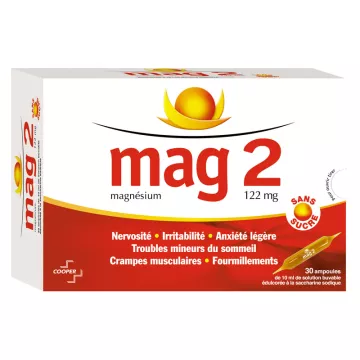
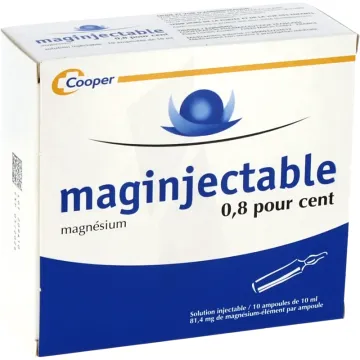
- Magnesium: Tingling associated with neuromuscular hyperexcitability (spasmophilia, stress, hyperventilation) respond well to magnesium supplementation — bisglycinate 300–400 mg/night — results in 2–4 weeks — check out our marine magnesium product lines
- Vitamin B6: a cofactor for neurotransmitters and essential for myelination—caution: excessive B6 (> 50–100 mg/day over the long term) can itself cause sensory neuropathy with tingling—adhere to the recommended doses (10–25 mg/day maximum for long-term use)
- Vitamin D3: receptors in Schwann cells (myelination of peripheral nerves) — deficiency is associated with increased sensitivity to paresthesias — 1,000–2,000 IU/day from October to March + blood test
- Omega-3 DHA: a major component of neuron membranes and myelin sheaths—a deficiency reduces nerve conduction velocity — 1–2 g EPA+DHA/day — particularly helpful for tingling associated with chronic stress or nerve inflammation — check out our anti-stress formulas
Lifestyle, Posture, and Prevention of Recurrent Tingling
- Postural hygiene: avoid crossing your legs or sitting on your feet — do not sleep on your arm — take a break every 45–60 minutes when working while seated — perform neck and carpal tunnel stretches (wrists) if working on a computer—workstation ergonomics (screen and keyboard height)
- Managing hyperventilation: if you experience tingling around the mouth and in the extremities during stressful situations → likely hyperventilation → slow diaphragmatic breathing technique — cardiac coherence (365, 3 times a day) — see our anxiety page for tingling caused by anxiety
- Physical activity: stimulates peripheral microcirculation (oxygenation of the nerves) — walk 30 min/day — swimming (joint decompression) — yoga (decompressive stretches) — tai chi (proprioception + microcirculation)
- Neuroprotective diet: B12 (animal products—enriched nutritional yeast for vegans) — magnesium (legumes, nuts, whole grains) — omega-3 (sardines, mackerel, salmon 2–3 times a week) — antioxidants (vitamins C and E — protect nerves from oxidative stress) — limit alcohol (directly toxic to peripheral nerves)
- Tingling and tremors: these two symptoms often coexist in neuropathies and spasmophilia—a presentation combining tingling, fine tremors, cramps, and anxiety suggests functional hypomagnesemia—which should be investigated through laboratory tests before any other treatment