What is a tremor, and what are its main types?
A tremor is an involuntary, rhythmic, and oscillatory movement of one or more parts of the body, resulting from alternating contractions of agonist and antagonist muscles. It is the most common movement disorder in neurology. Its cause must always be determined by a doctor, as treatment options vary considerably depending on the underlying cause. If you have a tremor that has recently developed or is getting worse, consult your primary care physician. Discover our energy and vitality supplements, our anti-stress product lines, and our energy, vitality, and fatigue formulas to support your nervous system.
- Essential tremor (ET): the most common cause (1% of the population, 5% among those over 65) — bilateral action tremor of the hands + sometimes the head and voice — worsened by stress and exertion — temporarily improved by alcohol (characteristic sign) — often hereditary (60–70% of cases are familial) — drug treatment: propranolol or primidone as first-line therapy
- Parkinson’s disease: unilateral resting tremor (“breadcrumb” tremor) — worsened by stress, improved by voluntary movement — associated with rigidity and bradykinesia (slowness) — often begins on one side — requires urgent neurological evaluation — affects 2% of people over age 65
- Exaggerated physiological tremor: fine, rapid action tremor of the hands — caused by: intense stress/anxiety, caffeine, hypoglycemia, hyperthyroidism, medications (corticosteroids, beta-agonists, antidepressants, lithium), alcohol withdrawal (medical) — generally reversible by treating the underlying cause
- Cerebellar tremor: intention tremor (worsens as the target is approached) — associated with coordination and gait disturbances — a sign of cerebellar involvement (multiple sclerosis, chronic alcoholism, tumor) — urgent neurological evaluation
- Warning signs requiring prompt medical attention: unilateral resting tremor—sudden-onset tremor—associated with balance, speech, or swallowing difficulties—rapid worsening—associated with cognitive impairment—tremor in a child
Nutritional Deficiencies and Tremors
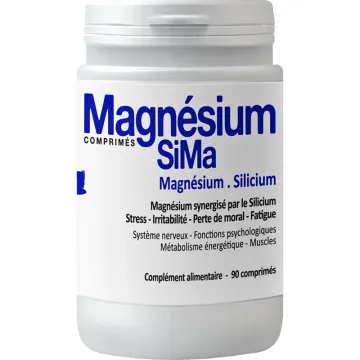
- Magnesium: Magnesium deficiency is one of the most common and most underdiagnosed nutritional causes of tremors — magnesium regulates neuromuscular excitability by antagonizing calcium at the neuromuscular junctions — deficiency → muscle hyperexcitability + fasciculations + fine tremors + cramps + spasms — bisglycinate or glycerophosphate 300–400 mg/night — improvements in stress-related fine tremors often visible within 2–4 weeks
- Vitamin B12: essential for the myelination of nerve fibers — deficiency → peripheral neuropathy with paresthesias + tremors + coordination problems — particularly at risk: vegans, people over 65, patients taking PPIs or metformin — sublingual or injectable methylcobalamin for better bioavailability
- Vitamin B6: a cofactor in dopamine and GABA metabolism — paradoxical note: excessive B6 (> 50–100 mg/day over the long term) can cause neuropathy with tremors — adhere to recommended doses (10–25 mg/day maximum for long-term treatment)
- Vitamin D3: plays a role in dopaminergic neuroprotection — deficiency is associated with worsening of certain movement disorders — 1,000–2,000 IU/day + blood testing recommended
- Hypoglycemia and tremors: Low blood sugar triggers the release of adrenaline → hand tremors + sweating + palpitations + weakness — in treated diabetics (emergency: restore blood sugar levels) and in healthy individuals after prolonged fasting — eat small, frequent meals with a low glycemic index to prevent this
Stress- and anxiety-related tremors
- Stress-tremor mechanism: stress andanxiety trigger the release of adrenaline and norepinephrine → neuromuscular hyperexcitability → fine tremors of the hands and lips — common during public speaking, exams, or stressful situations — subside spontaneously as stress resolves
- Caffeine and tremors: caffeine inhibits adenosine receptors (natural relaxants) → nervous and muscular hyperexcitability → tremors — half-life 5–7 hours: consumption after 2 p.m. can cause persistent fine tremors — reducing or eliminating caffeine is often sufficient for functional tremors
- Meditation and cardiac coherence: reduce cortisol and adrenaline → alleviation of stress-related tremors — Cardiac Coherence 365 (5 min, 3 times a day) before anxiety-inducing situations — MBSR (8 weeks) for chronic tremors caused by anxiety
- Burnout and tremors: In advanced burnout, fine tremors may appear as a sign of nervous system exhaustion — distinguish this from a neurological tremor → medical consultation is essential
- Alcohol withdrawal: withdrawal tremors = medical emergency — occur 6–48 hours after abrupt cessation of alcohol use in dependent individuals — associated with sweating, agitation, tachycardia, and risk of seizures — never abruptly stop heavy alcohol consumption without medical supervision → hospitalization if necessary
Management, lifestyle, and resources
- Recommended medical workup: Complete blood count (CBC) + TSH (hyperthyroidism ++) + serum magnesium + vitamin B12 + liver function tests + blood glucose — electrolyte panel if hypokalemia is suspected — comprehensive neurological examination if resting tremor, asymmetric tremor, or rapid worsening is present — Brain MRI if cerebellar involvement is suspected
- Nutrients for the nervous system: magnesium (legumes, nuts, whole grains, 70% dark chocolate) — B12 (animal products, fortified nutritional yeast for vegans) — avoid caffeine and alcohol — low-glycemic-index diet to prevent reactive hypoglycemia
- Appropriate physical exercise: gentle muscle-strengthening exercises (yoga, tai chi, swimming) — improves coordination and reduces muscle hypertonicity — tai chi has been particularly well-documented in essential tremor and Parkinson’s disease for improving balance and reducing falls
- Practical Adaptations: weighted utensils and wide-based cups for essential tremor — tremor-dampening orthoses (available at drugstores) — reduction of stimulants — scheduling fine motor activities outside of stressful periods
- Specialized resources: France Parkinson (franceparkinson.fr) — French Essential Tremor Association (AFEE — afee.fr) — private or hospital-based neurologist for diagnosis and follow-up — primary care physician as the first point of contact — explore our cognitive fitness programs for support