0
Menu

Superficial Wounds or Burns: What to Do

Filter
Number of products : 31
Sort
Sort
Close
Diaseptyl 0.5% Chlorhexidine Spray, 75 ml Diaseptyl 0.5% Chlorhexidine Spray, 75 ml
€4.65
Shipped within 24h
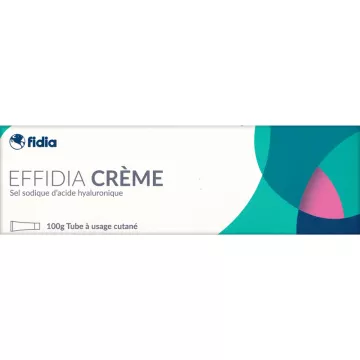
Effidia Hyaluronic Acid Cream 100 g Effidia Hyaluronic Acid Cream 100 g
€8.99
Shipped within 24h
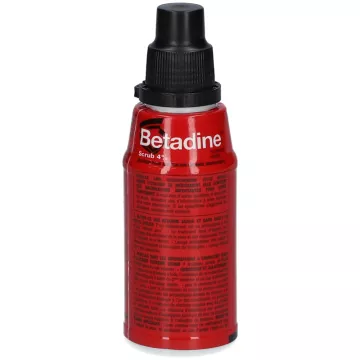
Betadine Red Foaming Antiseptic Scrub, 125 ml Betadine Red Foaming Antiseptic Scrub, 125 ml
€2.99
Shipped within 24h
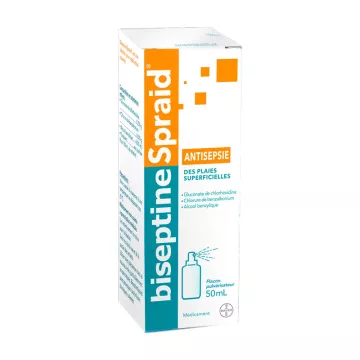
Biseptinespraid Solution for Topical Application, 50 ml Biseptinespraid Solution for Topical Application, 50 ml
€5.99
Add to cart
Shipped within 24h
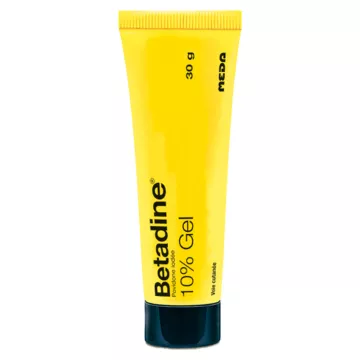
Betadine Antiseptic Gel 30g Betadine Antiseptic Gel 30g
€5.49
Add to cart
Shipped within 24h
Urgo Stretch Bandages Urgo Stretch Bandages
box of 30 Box of 48 +
€3.99
Add to cart
Shipped within 24h
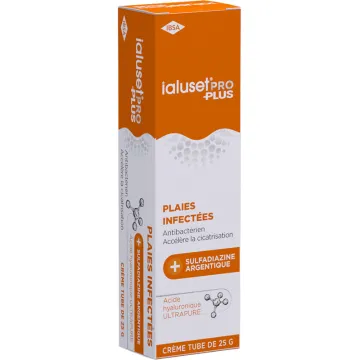
Ialuset Pro Plus Cream for Infected Wounds, 25 g Ialuset Pro Plus Cream for Infected Wounds, 25 g
€8.75
Shipped within 24h
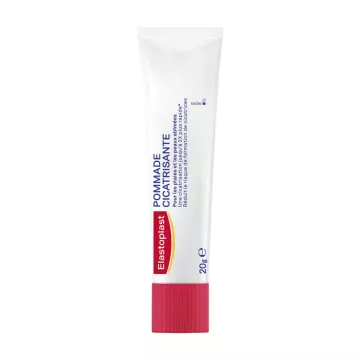
Elastoplast Healing Ointment 20 g Elastoplast Healing Ointment 20 g
€4.39
Shipped within 24h
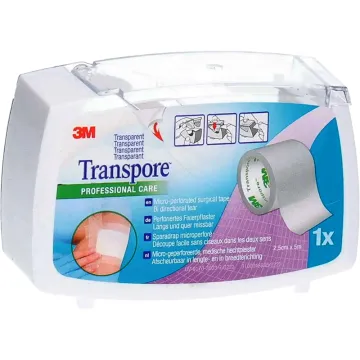
3M Transpore Microperforated Adhesive Tape, 5 m x 25 mm 3M Transpore Microperforated Adhesive Tape, 5 m x 25 mm
€3.40
Shipped within 24h
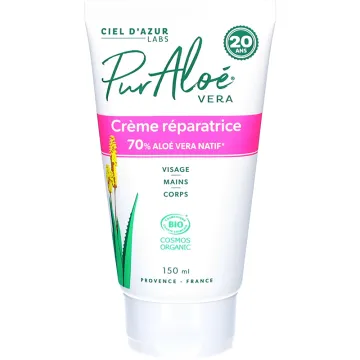
PurAloé Repairing Cream 150 ml PurAloé Repairing Cream 150 ml
€9.79
Shipped within 24h
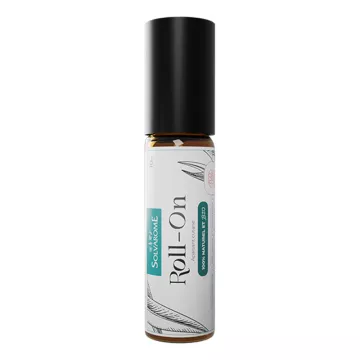
Solvarome Roll-On 10 ml Solvarome Roll-On 10 ml
€5.94
Shipped within 24h
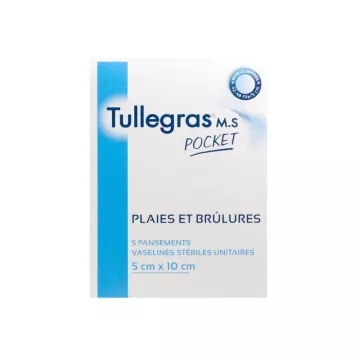
Tullegras MS Pocket Sterile Vaseline-Coated Bandage, 5 x 10 cm Tullegras MS Pocket Sterile Vaseline-Coated Bandage, 5 x 10 cm
€5.94
Shipped within 24h
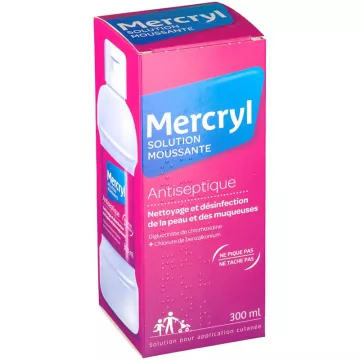
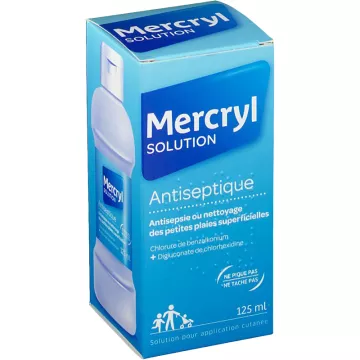
Mercryl Foaming Solution, 300 ml bottle Mercryl Foaming Solution, 300 ml bottle
€6.49
Add to cart
Shipped within 24h
Assanis Knee & Elbow Bandages, Pack of 7 Assanis Knee & Elbow Bandages, Pack of 7
€4.94
Shipped within 24h
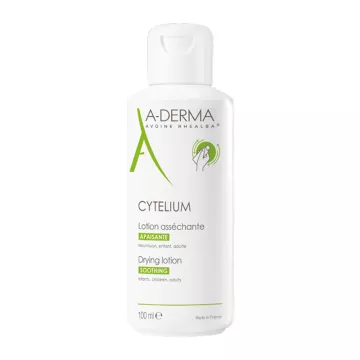
A-Derma Cytelium Dermatological Lotion 100 ml A-Derma Cytelium Dermatological Lotion 100 ml
€10.90
Shipped within 24h
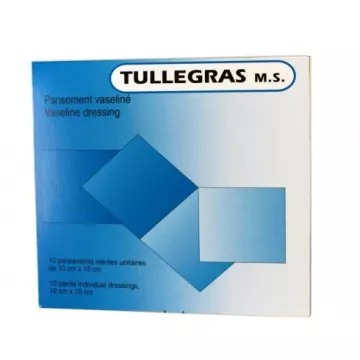
Tulle Gras Sterile Vaseline-Coated Bandage, 10x10 cm Tulle Gras Sterile Vaseline-Coated Bandage, 10x10 cm
€14.82
Shipped within 24h
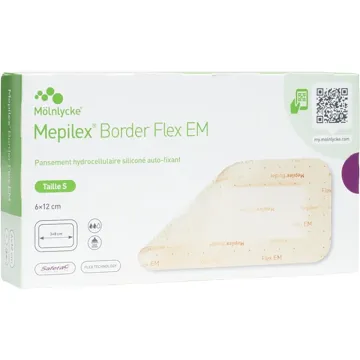
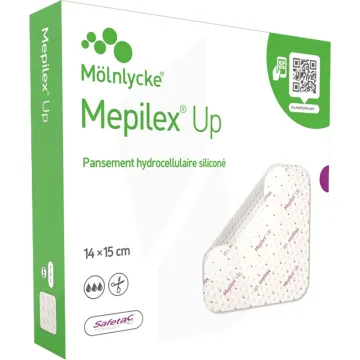
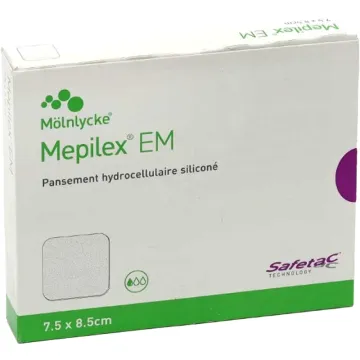
Mepilex UP Silicone-Coated Hydrocellular Dressing Mepilex UP Silicone-Coated Hydrocellular Dressing
€42.34
Shipped within 24h
Diaseptyl 0.5% Solution Spray bottle 125 ml Diaseptyl 0.5% Solution Spray bottle 125 ml
€3.86
Shipped within 24h
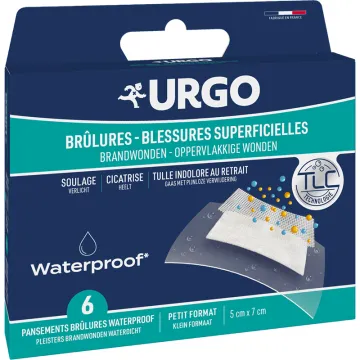
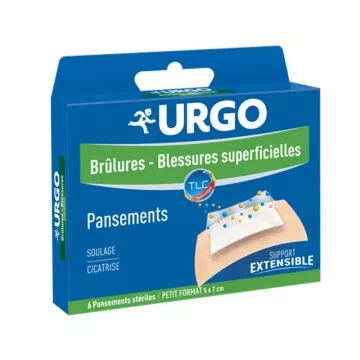
Urgo Bandages for Burns and Superficial Wounds, Small Size Urgo Bandages for Burns and Superficial Wounds, Small Size
€11.75
Shipped within 24h
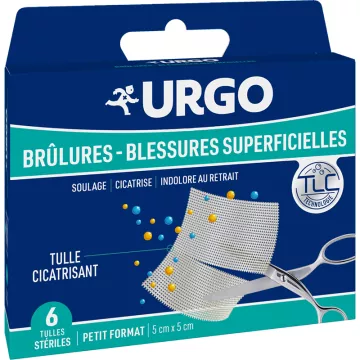
Urgo Gauze Pads for Superficial Burns Urgo Gauze Pads for Superficial Burns
Tall Small
€11.95
Add to cart
Shipped within 24h
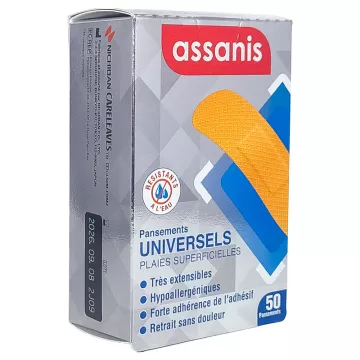
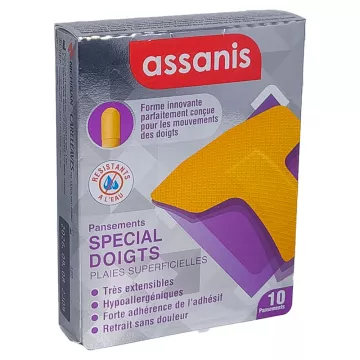
Assanis Universal Dressings Assanis Universal Dressings
box of 30 box of 50
€3.94
Add to cart
Shipped within 24h

What is meant by a superficial wound or burn?

Superficial wounds and burns refer to skin injuries that are limited to the epidermis—and sometimes the superficial dermis—and do not affect vital functions. This practical category includes fine cuts, scrapes, abrasions, scratches, open blisters, first-degree burns (sunburn, brief contact with a hot surface), and certain superficial second-degree burns with limited blisters. They share one essential characteristic: they generally heal without scarring if the proper steps are taken within the first hour after the injury. It is this prompt intervention that determines the quality of the final outcome—hence the importance of knowing the necessary steps and having the supplies on hand, ideally in a well-organized first-aid kit.

How do you assess the severity within the first hour?

A few quick assessment guidelines can help you determine the appropriate course of action immediately:

  • Apparent depth: Does the wound expose only the pink dermis (superficial) or deeper structures (yellow fat, red muscle)?
  • Extent: A wound smaller than the surface area of a palm can be managed at home; anything larger warrants a doctor’s visit;
  • Location: wounds on the face, hands, joints, genitals, or eyelids always require medical attention, even if superficial;
  • Mechanism: clean object (kitchen glass) vs. dirty (dirt, soil, rust); brief vs. prolonged exposure for burns;
  • Bleeding: moderate and stops with pressure vs. heavy and persistent;
  • Patient characteristics: children, the elderly, people with diabetes, those who are immunocompromised, or those on anticoagulants—the threshold for seeking medical attention is lowered.

If there is any doubt regarding any of these criteria, seeking medical advice remains the best course of action.

What steps should be taken for a superficial wound?

The standard 5-step protocol begins with the caregiver washing their hands. Rinse the wound with tap water (potable, lukewarm) for 2 to 5 minutes to remove visible particles, then clean it with a mild, unscented liquid soap, lathering gently without rubbing the wound itself. Pat dry with a sterile gauze pad; never rub. Disinfect with an appropriate antiseptic solution—aqueous chlorhexidine as the first-line treatment; povidone-iodine should be avoided on large areas, for children under 30 months of age, and during the second and third trimesters of pregnancy. Protect the wound with an appropriate dressing: an ointment dressing (Vaseline-coated gauze) for weeping wounds, a simple adhesive dressing for dry wounds, or a waterproof dressing for showering. Repeat disinfection once a day for 2 to 3 days, while protecting the surrounding skin barrier with a suitable moisturizer.

What steps should be taken for a first-degree burn?

The “15-minute rule” is the key to managing burns effectively:

  • Immediately cool the burn under lukewarm tap water (15–20 °C) for at least 15 minutes, without interruption;
  • Do not use ice-cold water or ice cubes (risk of frostbite and further injury);
  • Gently remove rings, watches, bracelets, and loose clothing before swelling sets in;
  • For chemical burns: rinse thoroughly for 20 minutes; open the tube or bottle and note the contents for the doctor;
  • Electrical burns: Always call 15 or 112 (possible internal injuries that are not visible);
  • After cooling: Apply a soothing gel made from purealoe vera or centella asiatica; never use butter, toothpaste, or other traditional remedies.

What products should you never apply?

Several products that actually worsen burns are circulating in family folklore or on social media. Applying butter, oil, or toothpaste to a burn traps heat in the tissue and promotes infection—a myth to be discarded once and for all.70° alcohol andconcentrated hydrogen peroxide on an open wound are cytotoxic to healing tissue and delay closure, despite their surface-level antibacterial effectiveness. Mercurochrome has been banned in France since 2006.Eosin has a drying effect but no real antiseptic effect. Pure essential oils on open wounds are allergenic and irritating. Mixing two different antiseptics—particularly chlorhexidine and iodine-based products—causes them to inactivate each other. Povidone-iodine is strictly contraindicated for children under 30 months of age, pregnant women in their second and third trimesters, breastfeeding women, and individuals with thyroid disorders. Baking soda, sometimes suggested for “disinfecting,” has no antiseptic properties and disrupts the skin’s pH balance.

How can you minimize the risk of a visible scar?

For very superficial lesions, the scar is usually invisible in the long term, provided a few guidelines are followed:

  • Do not pick at the scab that forms; it protects the healing tissue;
  • Strictly protect the area from the sun for at least 4 to 6 weeks (to prevent post-inflammatory hyperpigmentation)—consider using a high-SPF 50 sunscreen on the newly healed area;
  • Apply a healing treatment (panthenol, allantoin, Centella asiatica, silicone gel) once the wound has completely closed;
  • Gently massage the area for 2 to 3 minutes a day starting in the second week to soften the tissue;
  • Moisturize the surrounding skin regularly to maintain suppleness;
  • Avoid irritating cosmetics, heavy makeup, and hair removal in the area for 3 to 4 weeks.

What warning signs should not be ignored?

Warning signs within 24 to 72 hours of the injury require prompt medical attention. Redness that spreads beyond the wound’s original edges may indicate the onset of a bacterial infection. Abnormal local warmth, progressive swelling, and pain that intensifies rather than subsides are signs of infectious inflammation. The appearance of a purulent discharge (yellow or greenish, foul-smelling) confirms the infection. A reddish streak extending up the limb suggests lymphangitis, which is a medical emergency. A swollen lymph node in the drainage area (armpit, groin, neck) often accompanies a regional infection. Fever, chills, and unusual fatigue indicate systemic involvement. Any systemic symptom (generalized hives, facial swelling, difficulty breathing, or malaise) requires an immediate call to 15 or 112.

When is medical attention necessary?

A medical consultation is essential in several situations:

  • A deep, long wound with gaping or irregular edges;
  • Extensive burn (larger than the surface area of a palm), with numerous or painful blisters;
  • Burns to the face, hands, skin folds, or genitals, regardless of size;
  • Heavy bleeding that cannot be controlled after 10 minutes of pressure;
  • Presence of deeply embedded foreign objects;
  • Involvement of a functional area (palm, joint, finger);
  • Wound caused by an animal (scratch, bite);
  • Uncertain tetanus status or a booster shot administered more than 20 years ago;
  • Underlying medical conditions (diabetes, immunosuppression, anticoagulant therapy, pregnancy);
  • Signs of infection after 48–72 hours;
  • Failure to heal after 10 to 14 days for a superficial wound.

The community pharmacist remains the first point of contact for advice on the appropriate antiseptic and dressing, and for referral to a doctor in case of doubt.