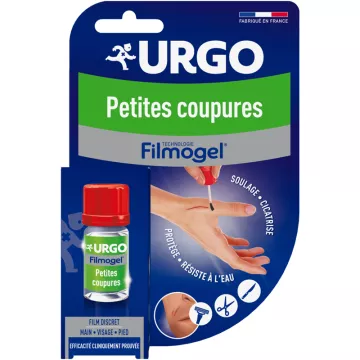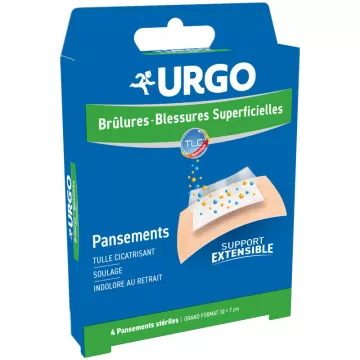
A superficial burn (or first-degree burn) is a lesion limited tothe epidermis, the outermost layer of the skin, which clinically presents as localized redness, slight warmth, and moderate pain. No blisters form—their presence would indicate a second -degree burn requiring specific treatment. The burn typically heals within 3 to 7 days without scarring. Domestic causes are the most common: brief contact with a hot stove top, boiling water, an iron, steam, sun exposure (sunburn), or friction. The surrounding skin barrier must be protected to optimize healing.
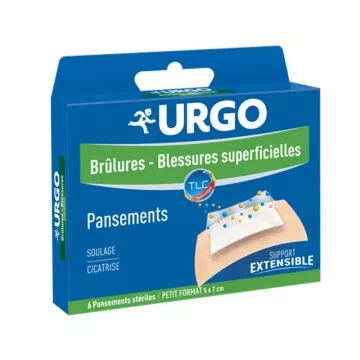
Many everyday burns are superficial and can be treated at home:
If redness extends beyond 10 cm, or if blisters are present, consider it a second-degree burn and adjust treatment accordingly.
The first 15 minutes are critical to the burn’s progression. Immediately cool the area under running water at 15–20 °C (never ice-cold) for 10 to 15 minutes, starting from a point above the affected area. This limits the depth of the burn and relieves pain. Remove rings, watches, and other accessories from the area before swelling sets in. Gently pat dry with a clean compress. Apply a soothing ointment. If the burn is under clothing in contact with the skin, do not tear off fabric stuck to the skin—let a professional remove it. Take an oral pain reliever (acetaminophen) if there is pain. Increase oral fluid intake.
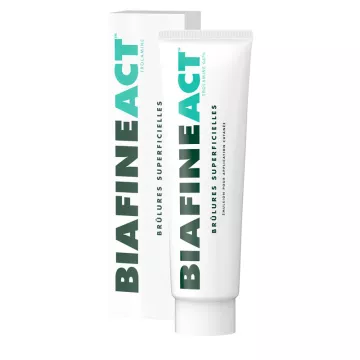
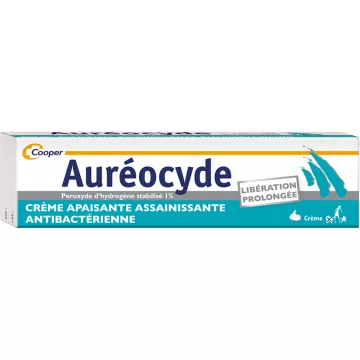
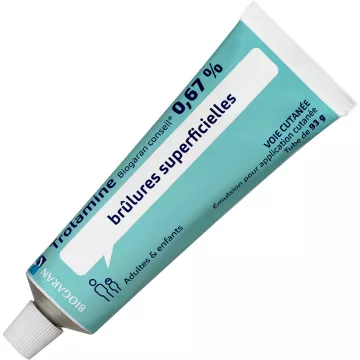
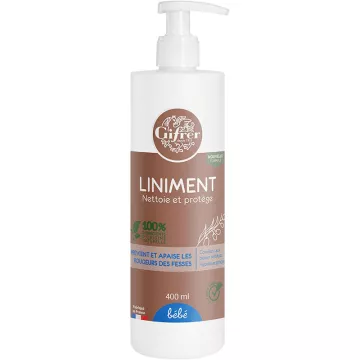
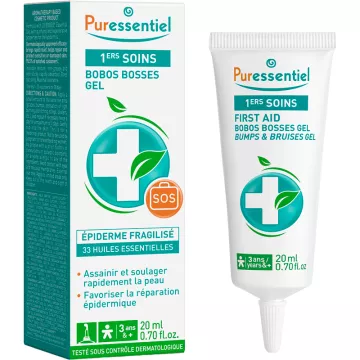
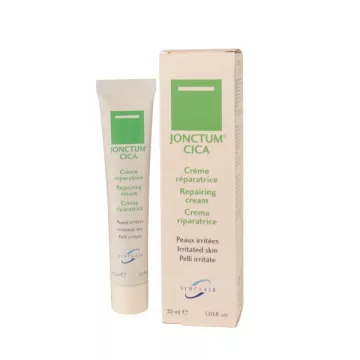
Dermocosmetic balms are indicated for superficial burns:
Apply 2 to 3 times a day for 5 to 7 days.
Several natural active ingredients complement the skincare routine and soothe redness and a sensation of heat. Purealoe vera gel (98%+) remains the go-to for immediate refreshment—apply a thin layer 3 to 4 times a day. Centella asiatica in serum or cream form supports tissue regeneration. Panthenol (vitamin B5) soothes and restores the skin’s structure. Thermal waters (Avène, La Roche-Posay, Uriage) applied as a mist provide immediate relief and remineralize the skin.Allantoin soothes and promotes healing. For burns accompanied by itching as they heal, apply a dexpanthenol balm.
Preventive measures in the kitchen and while ironing help limit everyday burns. Wear long-sleeved cotton shirts when handling hot dishes—avoid highly flammable synthetic fabrics. Use good-quality oven mitts and double-layered paper towels to handle utensils. Always position pots toward the back of the stove, out of children’s reach. When steam is present, open lids and kettles away from your face and hands. Ironing: Always place the iron in a stable upright position and unplug it immediately after use. Keep a first-aid kit within reach, containing sterile compresses, healing ointment, and a 0.05% aqueous chlorhexidine antiseptic.
Children are particularly at risk (curiosity, thin skin, more vulnerable body surface area). Cool the burn immediately under running tap water for 10–15 minutes, even for localized redness. Gently apply pediatric ointments (Cicaplast B5, Bepanthen Sensiderm, Cicalfate+) 2 to 3 times a day. Do not apply undiluted essential oils to a child’s burned skin. Ensure increased oral hydration. Be especially vigilant for any extensive burns or burns with blisters in children under 3 years of age—seek medical attention promptly. Use a mineral-based SPF 50 sunscreen in the weeks following the burn to prevent post-inflammatory hyperpigmentation.
A medical consultation is recommended even for a burn that appears superficial if: it is located in a high-risk area (face, hands, feet, joint creases, genital area), the burn covers a large area (more than the size of a palm), the child is under 3 years of age, the child has diabetes or is immunocompromised, or the burning sensation is disproportionate to the burn’s appearance (which may indicate deeper, invisible damage). Check tetanus vaccination status. Signs of infection to watch for: extensive redness, warmth, pus, fever, regional lymph node enlargement, or a red streak—seek prompt medical attention. See also “Scar” for post-burn follow-up of residual marks.