What is dandruff, and what are its main causes?
Dandruff is a small flake of dead skin that detaches from the outermost layer of the epidermis. It indicates a disruption in the skin’s normal renewal process, which is usually invisible: the skin renews itself in about 28 days, and dead cells constantly shed without us noticing. When these cells thicken, clump together, or flake off in visible flakes, they are referred to as dandruff.
There are many causes, and an accurate diagnosis determines the appropriate treatment:
- Seborrheic dermatitis: caused by the yeast Malassezia furfur; affects the scalp, nasolabial folds, eyebrows, and chest.
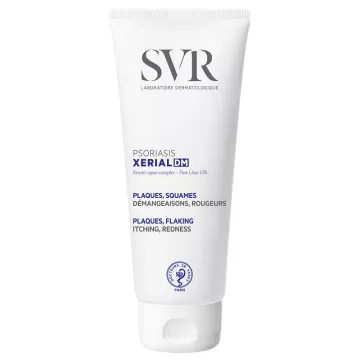
- Psoriasis: well-defined plaques with thick, silvery-white scales on the elbows, knees, scalp, and nails.
- Eczema (atopic or contact): scales associated with itching, blisters, and oozing.
- Various types ofdermatitis (perioral, stasis, neurodermatitis).
- Very dry skin (xerosis): deficiency of lipids and water in the skin barrier; common in winter and among the elderly.
- Ichthyosis: Genetic disorders characterized by chronic scaling.
- Cutaneous fungal infections (dermatophytoses): scaly patches, sometimes itchy, with well-defined borders.
- Delayed sunburn, side effects of treatments (retinoids, AHAs, BHAs), chemical irritations.
- Localized causes: cracked heels, interdigital folds, dry elbows.
A clinical examination helps identify the cause and guide treatment.
How can you identify the symptoms of scaling?
The manifestations vary depending on the underlying condition, the affected area, and the thickness of the scales:
- Appearance: fine (“flour-like”), medium, or coarse, thick scales.
- Color: whitish, silvery-white (suggesting psoriasis), yellowish and greasy (suggesting seborrheic dermatitis).
- Adhesion: easily detachable vs. adherent (the “candle-spindle” sign of psoriasis).
- Location: scalp (most common), face (nasolabial folds, eyebrows), body, skin folds, elbows, knees.
- Associated symptoms: dry, scaly skin, itching, redness, burning or tightness.
- Course: intermittent or continuous, depending on the cause.
What are the best ways to prevent scaling?
A tailored skincare routine helps reduce dryness and supports the skin barrier:
- Gentle cleansing: lukewarm water (not hot), limited duration (5–10 minutes), ultra-moisturizing cleansers or syndets without harsh soap.
- Applydaily emollients to skin while still damp after showering; choose products enriched with ceramides, glycerin, shea butter, and panthenol.
- Maintain reasonable indoorhumidity (use a humidifier if the heating system is drying out the air in winter).
- Cotton clothing, hypoallergenic laundry detergents, no scented fabric softeners.
- Sunscreen to limit UV damage to the skin barrier.
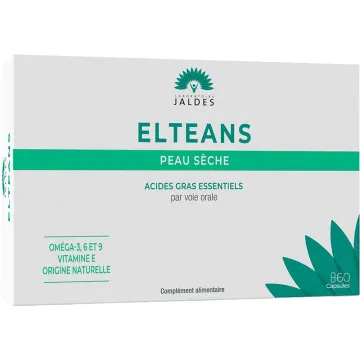
- A varied diet: omega-3, zinc, B vitamins, and plant-based antioxidants.
- Adequateinternal hydration.
What treatments are recommended for persistent cases of scaling?
Treatment depends on the identified cause:
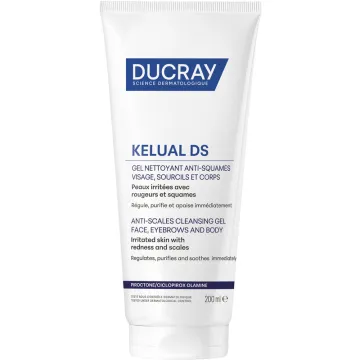
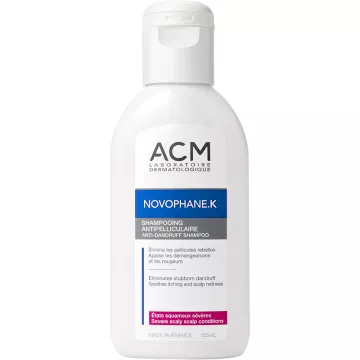
- Treatment shampoos for the scalp: containing ketoconazole, ciclopirox olamine, climbazole, zinc pyrithione, or piroctone olamine (antifungal action against Malassezia), salicylic acid, or urea (keratolytic action on thick scales).
- Urea-basedkeratolytic skin emollients (at various concentrations: 5–10% for moisturizing, 10–20% for keratolytic action, 20–30% for very strong keratolytic action on thickened areas), salicylic acid, glycolic acid, lactic acid.
- Prescription topicalcorticosteroids, for inflammatory flare-ups (psoriasis, eczema, severe seborrheic dermatitis). Use under medical supervision; no chronic, uncontrolled application.
- Topical calcineurin inhibitors (tacrolimus, pimecrolimus): an alternative for the face and skin folds in certain types of dermatitis.
- Narrow-band UVB phototherapy for extensive forms of psoriasis or eczema.
- Topical or oral antifungals in cases of confirmed fungal infection.
- Biotherapies for severe forms of psoriasis (anti-IL-17, anti-IL-23) or atopic eczema (dupilumab).
Regarding coal tar, which has been used historically: it remains effective, but its long-term use is limited due to health concerns (classified as a Group 2A probable carcinogen by the IARC for cumulative exposure). It should be used for short periods and only under medical supervision.
How can the psychological aspects related to scaling be managed?
Visible scaling (on the scalp, face, and hands) can have a significant impact on self-image, social life, and professional life. Here are several approaches:
- Dermatological consultation: An accurate diagnosis and appropriate treatment reduce uncertainty and stress.
- Psychological support: Cognitive-behavioral therapy, sophrology, and hypnosis have proven effective for chronic skin conditions.
- Patient organizations (France Psoriasis, French Eczema Association): sharing experiences and resources.
- Therapeutic education to better understand the condition and adapt daily routines accordingly.
- Stress management, asstress often acts as a trigger for flare-ups.
How can you tell the difference between psoriasis scales and regular dandruff?
Scaling is a symptom; psoriasis is a disease in which scaling is one of the manifestations. Scaling can also accompany other conditions (seborrheic dermatitis, eczema, ichthyosis, fungal infections, very dry skin). A few criteria help distinguish psoriasis:
- Well-defined, raisedplaques with sharp edges.
- Thick, whitish-silvery scales in multiple layers.
- “Candle shavings” sign: gentle scraping that dislodges white scales.
- Typical locations: elbows, knees, scalp (more pronounced on the scalp than simple dandruff), lower back, and nails (pitting, onycholysis).
- Moderate itching, often less severe than in eczema.
- Chronic, flare-up-prone course, often beginning in adolescence or early adulthood.
Only a dermatological examination, sometimes supplemented by a skin biopsy, can establish a precise diagnosis. This is essential: treatments for psoriasis and seborrheic dermatitis differ considerably.
What is the link between diet and scaling?
Diet is not a direct cause of scaling, but it does influence skin inflammation and overall comfort. Here are a few well-documented points:
- Omega-3 (fatty fish, flaxseed, chia seeds, walnuts): anti-inflammatory effects that are beneficial for inflammatory skin conditions.
- Zinc (oysters, red meat, legumes, nuts and seeds): plays a role in skin cell renewal.
- B vitamins (particularly B2, B3 [niacinamide], B6, and B8 [biotin]): contribute to skin metabolism.
- Vitamin D: a common deficiency that should be addressed after testing if necessary; plays a role in keratinocyte differentiation.
- Polyphenols and antioxidants (green tea, berries, colorful vegetables).
- Limit ultra-processed foods, excessive simple sugars, and alcohol: these promote systemic inflammation.
No strict dietary restrictions are warranted without a documented allergy.
Can squama be completely cured?
It depends on the cause. Flaking caused by sunburn, temporary irritation, or seasonally dry skin usually resolves within a few days to a few weeks with an appropriate skincare routine.
Scaling associated with chronic skin conditions (psoriasis, eczema, seborrheic dermatitis, ichthyosis) does not disappear permanently, but can be managed long-term with appropriate treatment, a maintenance routine, and a healthy lifestyle. Recent biologic therapies (for psoriasis and severe atopic eczema) now offer remarkable improvements in quality of life.
Can children also suffer from flaking skin?
Yes, several conditions are common in childhood:
- “Cradle cap” in infants: infantile seborrheic dermatitis, characterized by yellowish, greasy patches on the scalp, and sometimes on the eyebrows and skin folds. This condition is benign and temporary, typically resolving before the age of 1. Gentle care with a special baby shampoo; applycoconut oil or a skin-care oil beforehand to soften the crusts; brush gently.
- Atopic eczema: affects 10 to 20% of children in Western Europe, with dry, flaky patches in skin folds.
- Scalp fungal infections (ringworm): should be considered in school-aged children presenting with circular, scaly patches, sometimes accompanied by hair loss. Medical diagnosis and treatment are essential.
- Pediatric psoriasis: less common but possible; must be distinguished from dermatitis.
- Ichthyosis: rare genetic disorders; diagnosis requires specialized care.
If a child has persistent or unusual scaling, a pediatric or dermatology consultation is recommended.
Are there any effective natural remedies for scaling?
Several natural ingredients can be used to complement treatment:
- Coconut oil: an emollient, useful on the scalp (as a pre-shampoo mask) and dry skin. Avoid using on acne-prone skin due to its comedogenic potential.
- Sweet almond oil, jojoba oil, argan oil: nourish dry, flaky skin.
- Shea butter: provides comfort and nourishment to very dry areas.
- Aloe vera: has a soothing effect on irritated skin.
- Diluted apple cider vinegar as a scalp rinse: can balance pH, but should be used very dilute (1 tablespoon in 1 liter of water) and avoided if the scalp is damaged or irritated (may cause a burning sensation and irritation).
- Helichrysum and Roman chamomile hydrosols: gentle soothing agents.
These approaches complement treatment but do not replace medical care in cases of underlying medical conditions. If you experience persistent, widespread, or unusual flaking, it is essential to consult a dermatologist.