Scaly skin is characterized by visible flaking—scales (thinner layers of dead, keratinized cells) accumulate and shed as white or gray flakes. The main causes are:
Ceramides are the structural lipids of the skin barrier, and a deficiency of these is consistently found in scaly skin—restoring them through emollient treatments is a priority in all forms of scaling.
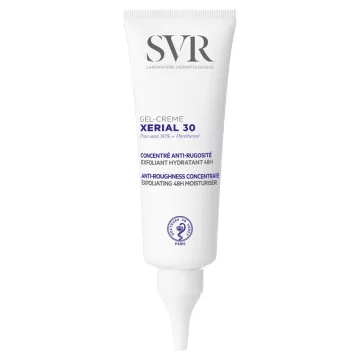
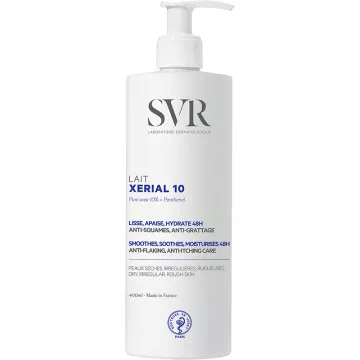
Urea is the gold-standard keratolytic active ingredient for scaly skin on the body—it breaks the hydrogen bonds in keratin, softens scales, and promotes their removal without friction. The 10% urea body lotion is suitable for mild to moderate squamosis—apply morning and night. The 30% urea gel-cream is indicated for severe squamosis in areas of hyperkeratosis (heels, elbows, legs).Lactic acid (a mild AHA) complements urea in anti-dandruff formulas—it exfoliates while drawing water into the stratum corneum, reducing the appearance of dandruff without causing irritation.
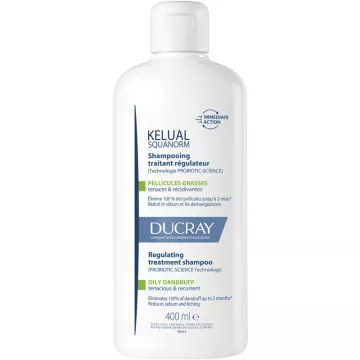
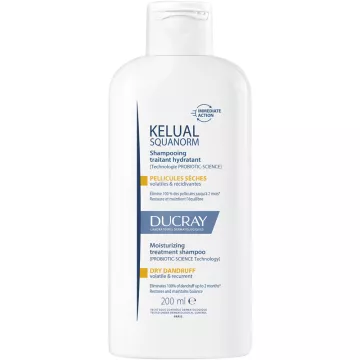
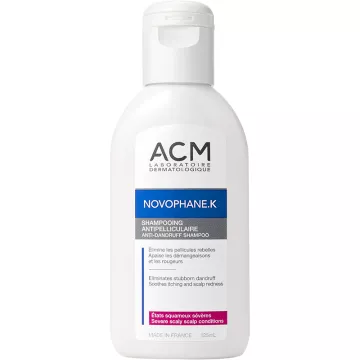
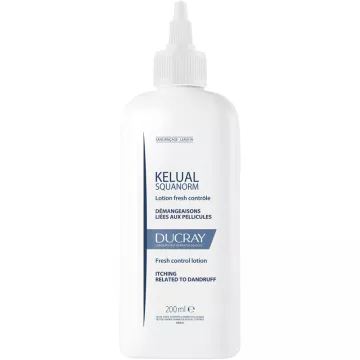
Dandruff on the scalp results from two distinct mechanisms. Dry dandruff (small, white flakes that fall off easily) is caused by a dry scalp—it responds well to moisturizing shampoos combined with mild keratolytic agents (urea, birch extract, selenium). Oily dandruff (thick, yellowish, clinging) is caused by seborrheic dermatitis (Malassezia furfur)—it requires antifungal active ingredients (ketoconazole, zinc pyrithione, piroctone olamine). Ketoconazole shampoo (1–2 times a week, left on for 5 minutes) is the standard antifungal treatment for severe oily dandruff. Recurrent dandruff that is resistant to conventional shampoos should be evaluated by a dermatologist.
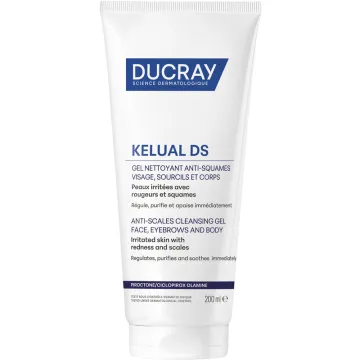
PHAs (polyhydroxy acids—gluconolactone, lactobionic acid) are the best-tolerated exfoliants for sensitive, flaky skin—their large molecules remain on the surface and exert a gentle keratolytic action without irritating fragile skin.Salicylic acid (BHA) is recommended for thickened, adherent scales (psoriasis, seborrheic dermatitis, keratosis)—its fat-solubility allows it to penetrate thickened stratum corneum layers and dissolve the bonds between scales. The scaling-regulating emulsion combining zinc pyrithione and salicylic acid is the gold standard for seborrheic dermatitis of the face—apply 2 to 3 times a week.