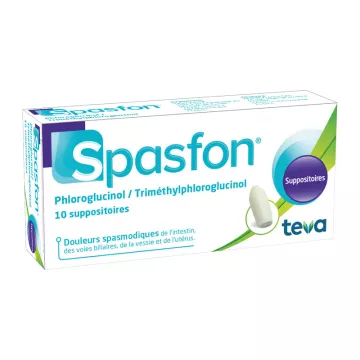




A spasm is a sudden, involuntary, and often painful muscle contraction that can affect a single muscle or a group of muscles. It differs from a cramp in its duration: a spasm is generally shorter and may occur in bursts (such as a twitching eyelid or a back that contracts in waves), whereas a cramp is a sustained contraction lasting from several seconds to a few minutes and is typically very painful. Spasms can affect many areas of the body:
Spasms most often result from a temporary imbalance in neuromuscular excitability. The most common causes include:
In rare cases, frequent and unexplained spasms may indicate an underlying neurological cause (multiple sclerosis, dystonia, certain forms of epilepsy) or a metabolic disorder. A medical consultation is necessary if the spasms are accompanied by muscle weakness, sensory disturbances, or coordination problems, or if they persist despite standard corrective measures.
Magnesium bisglycinate (300 mg/day) is the gold standard for preventing spasms: its high bioavailability and good gastrointestinal tolerance make it the preferred form compared to magnesium sulfate or magnesium oxide, which often act as laxatives at effective doses. Potassium plays a complementary role in maintaining the electrolyte balance necessary for normal muscle contraction and relaxation—a deficiency, which is common in cases of excessive sweating or certain diuretic treatments, directly contributes to cramps. Combined electrolytes (sodium, potassium, magnesium) are particularly useful after intense physical exertion or in hot weather.
In practice, several simple steps can reduce the frequency of cramps:
Dilutedlavender essential oil (linalool) applied to areas of tension can complement this approach for spasms related to stress and nervous tension. For persistent muscle pain, a medical consultation is recommended to rule out a more specific underlying cause.