
Spasmodic pain refers to sudden, involuntary muscle contractions, often described as an intense tightening in the affected area. It can occur in various contexts: gastrointestinal disorders, neurological conditions, intense physical exertion, or simply accumulated fatigue. Their sudden and acute nature distinguishes them from ordinary muscle pain. Spasms can affect the limbs, back, abdomen, or even the respiratory muscles, with varying degrees of severity.
There are many causes of spasmodic pain. An electrolyte imbalance is one of the most common causes: a deficiency in magnesium, potassium, or calcium deprives the muscles of the minerals essential for normal contraction and relaxation. Dehydration disrupts electrolyte balance and promotes the onset of spasms, particularly in athletes. Neurological conditions such as multiple sclerosis or Parkinson’s disease can also be contributing factors. Finally, chronic stress and severe fatigue are underestimated but well-documented triggers.
Prevention relies primarily on maintaining fluid and mineral balance. Drinking water regularly throughout the day—before, during, and after exercise—maintains proper electrolyte balance. A diet rich in magnesium (spinach, almonds, avocados), potassium (bananas, potatoes), and calcium (dairy products, green vegetables) helps prevent the imbalances that cause spasms. Regular, age-appropriate physical activity strengthens muscles, while relaxation techniques such as meditation or yoga reduce the frequency of nerve-related spasms.
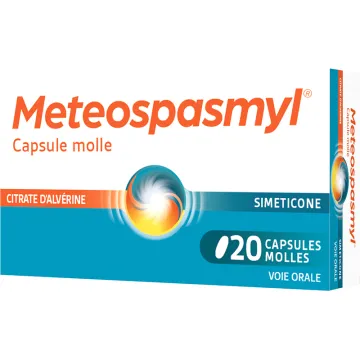
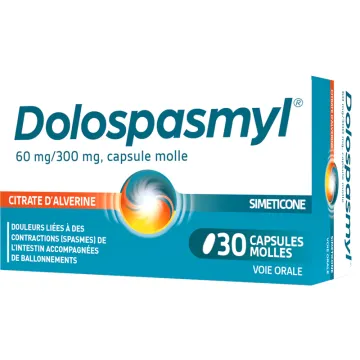
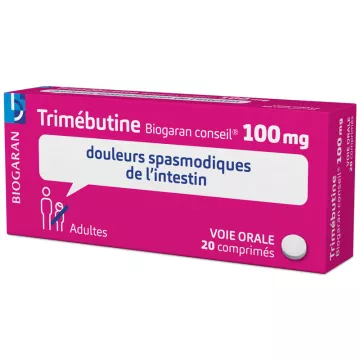
Treatment for spasmodic pain is tailored to its cause. Antispasmodic medications, prescribed by a doctor, relieve muscle contractions and reduce pain. Supplements containing magnesium, potassium, or calcium correct deficiencies identified through laboratory tests. Physical therapy—stretching, postural exercises, and targeted strengthening—relaxes the muscles and prevents recurrence. Lifestyle adjustments, such as improving posture or allowing for longer recovery periods, effectively complement these approaches.
Medical consultation is necessary when spasmodic pain becomes frequent, severe, or is accompanied by warning signs: a decline in overall health, unexplained weight loss, progressive muscle weakness, or coordination problems. These symptoms may indicate an underlying condition requiring thorough testing—blood tests, imaging, and a neurological evaluation—as well as specialized treatment.
Targeted nutrition is one of the most effective strategies for reducing spasmodic pain. Magnesium, whose role in normal muscle function is recognized by the EFSA, is often deficient in Western populations. Potassium regulates intracellular fluid balance, and calcium plays a direct role in the mechanism of muscle contraction and relaxation. Combining a balanced diet with appropriate supplementation, if necessary, helps correct these deficiencies at their source.
Yes. Regular stretching maintains joint range of motion and limits involuntary contractions, particularly in the lower limbs and back. Pilates and yoga strengthen deep muscle stability and reduce the frequency of spasms. These practices also relieve muscle cramps associated with fatigue or poor posture. A physical therapist can design a personalized program based on the location and frequency of the spasms.
When the body is dehydrated, electrolytes —potassium, sodium, and magnesium—no longer circulate effectively between muscle cells. This disruption impairs the muscles’ ability to contract and relax normally, causing cramps and spasms. Dehydration is a particular concern for athletes and in hot weather. Drinking enough water—and, if necessary, an isotonic beverage during prolonged physical activity—quickly restores electrolyte balance.
In some cases, spasmodic pain may indicate a serious condition. Neurological diseases—such as multiple sclerosis and Parkinson’s disease—cause recurrent spasms that are difficult to control. Digestive disorders such as Crohn’s disease or irritable bowel syndrome cause intense abdominal spasms. Numbness, bowel movement issues, or abnormal muscle coordination associated with spasms warrant a prompt medical consultation to rule out these causes.
Chronic pain associated with recurrent spasms often leads to anxiety, stress, and social withdrawal. This impact on mental health can, in turn, worsen the spasms, creating a vicious cycle. A holistic approach is often necessary: psychotherapy to develop coping strategies, meditation and deep breathing to reduce nervous tension, and support from loved ones to maintain a satisfactory quality of life despite the pain.