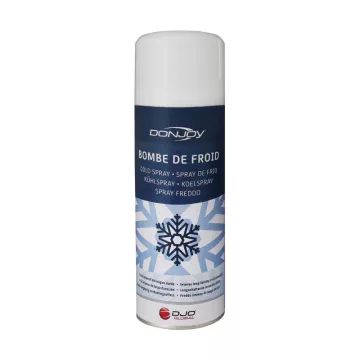
A physical injury refers to a blow, bruise, or minor trauma resulting from a direct impact—such as a fall, collision, or minor crush injury—without an open wound. It manifests as localized pain, swelling, and sometimes a bruise that appears within the following hours. In the vast majority of cases, these injuries are minor and resolve within a few days with simple care. The standard first-aid protocol—known by the acronym RICE (Rest, Ice, Compression, Elevation)—should be applied within the first few minutes:
A contusion requires prompt medical attention in cases of severe, persistent pain; inability to move the area; visible deformity; or significant swelling suggestive of a severe sprain rather than a simple bruise.
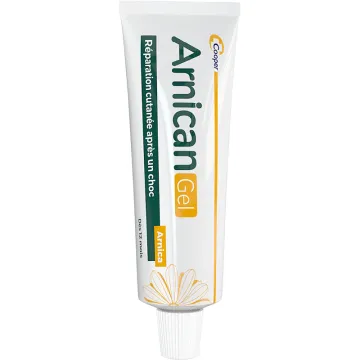
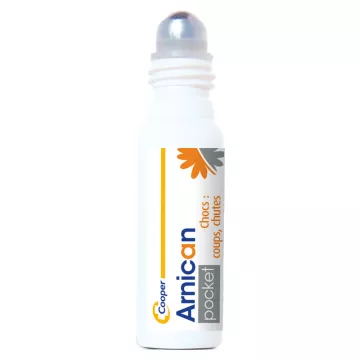
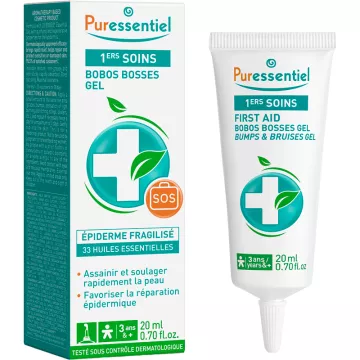
Arnica montana is the standard herbal remedy for bumps and bruises—whether in gel, cream, or ointment—its active ingredients (sesquiterpene lactones) have a documented anti-inflammatory and resorptive effect on hematomas and bruises, accelerating their resolution and reducing local pain. Apply 2 to 3 times a day to intact skin only—never to an open wound or mucous membrane.
Vitamin C plays a role in collagen synthesis and supports tissue healing after an injury, complementing local treatments. For muscle pain that often accompanies a severe impact, and in cases of cramps associated with the injury, local treatment with cold therapy and arnica remains the foundation, supplemented as needed by extended rest.
While the term “shock” in emergency medicine also refers to severe circulatory failure (hypovolemic, anaphylactic, septic, or cardiogenic shock), this is not the same situation as the mild traumatic shocks discussed here. A minor traumatic shock—a blow, bruise, or contusion—can be treated at home using the GREC protocol and arnica. However, certain signs require an immediate call to emergency services (15 or 112): loss of consciousness—even brief—following a blow to the head; difficulty breathing; extreme pallor with cold sweats; a rapid and weak pulse; confusion or disorientation; or chest pain. These signs may indicate a serious complication (head injury, internal bleeding, circulatory shock) requiring immediate medical attention—no natural remedy can replace emergency care. If symptoms persist following a head injury, a medical evaluation is still recommended to rule out any delayed complications.