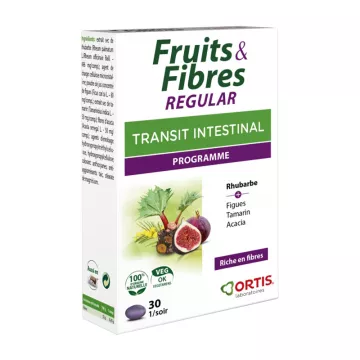
Medicinal rhubarb (Rheum officinale, Rheum palmatum) is a perennial plant in the Polygonaceae family, native to China and used for over two millennia in traditional Chinese medicine (Da Huang). Its root contains two classes of molecules with opposing effects: anthraquinones (sennoside-like compounds, rhein, emodin), which are responsible for the laxative effect, and tannins, which have an astringent effect at low doses. This duality explains why its use is regulated by the European Pharmacopoeia and the EMA.
Its recognized traditional uses center on the digestive system:
Important: Rhubarb is not suitable for prolonged daily use. For chronic bowel issues, prebiotic fibers (psyllium, inulin) are more appropriate.
Anthraquinones travel to the colon, where the gut flora converts them into mild irritants that stimulate peristalsis and increase intraluminal water secretion. The effect occurs 6 to 12 hours after ingestion, which is why it’s best taken in the evening for morning relief. This mechanism classifies it as a stimulant laxative, distinct from osmotic or bulk-forming laxatives, which are gentler for long-term use.
At low doses, the bitterness of rhubarb stimulates bile and gastric secretion, supports the digestion of fats, and aids the liver’s detoxification function—without crossing the threshold for a laxative effect. This property explains its traditional combination, in Chinese medicine, with plants such asartichoke or gentian in bitter digestive formulas.
The EMA and ESCOP set a strict limit: 1 to 2 weeks maximum, never continuously. Beyond that, prolonged use of anthraquinones exposes the user to:
Rhubarb should be reserved for occasional use.
The dosage forms depend on the intended use:
A potent plant, medicinal rhubarb is strictly contraindicated in several situations:
Herbal synergies depend on whether the use is occasional or part of a transition to a gentler approach: