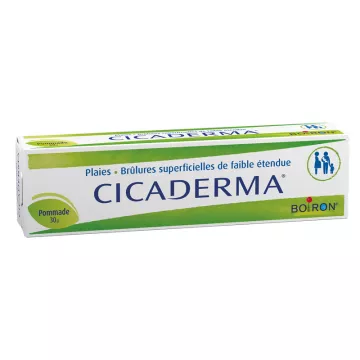
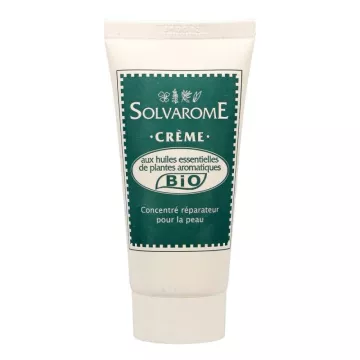
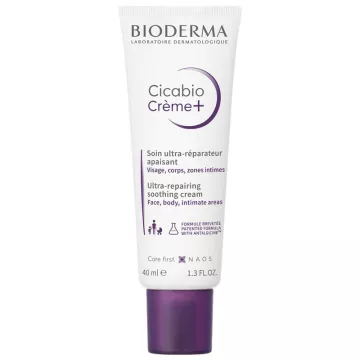
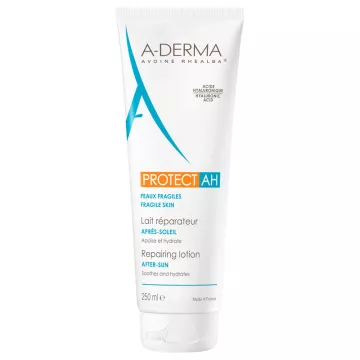
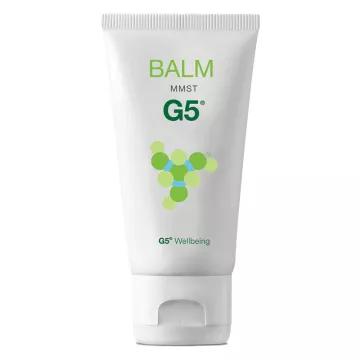
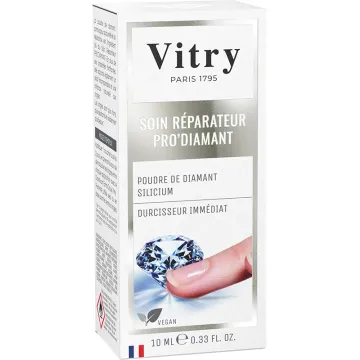
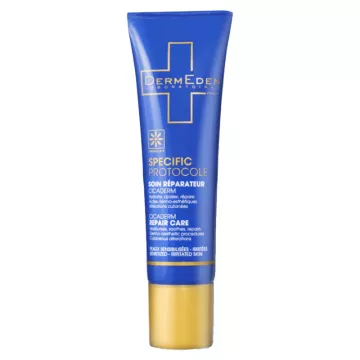
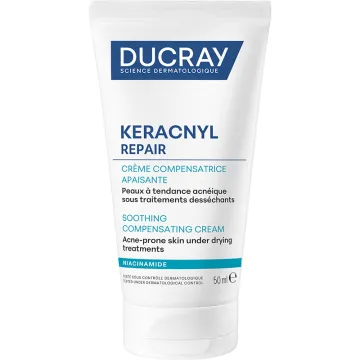
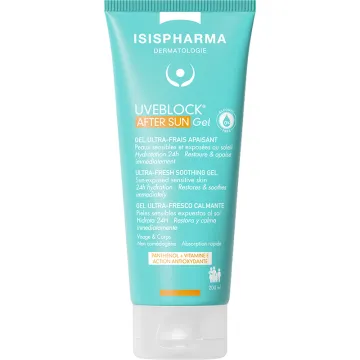
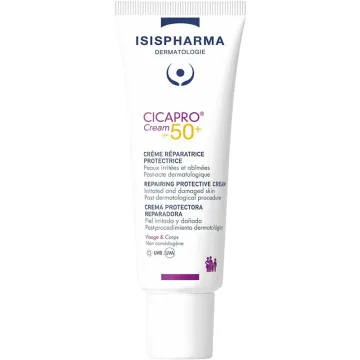
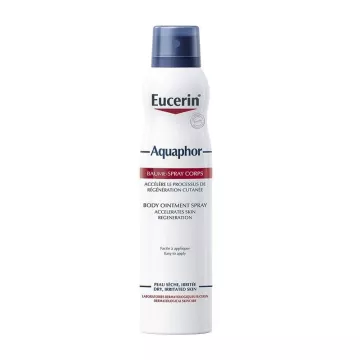
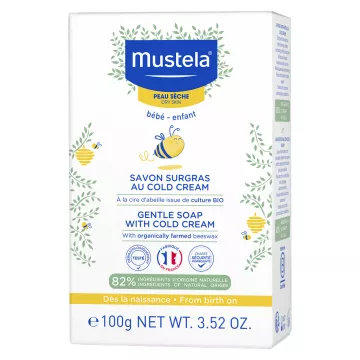
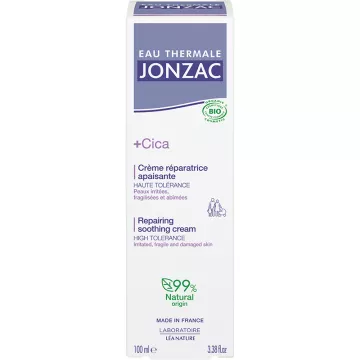
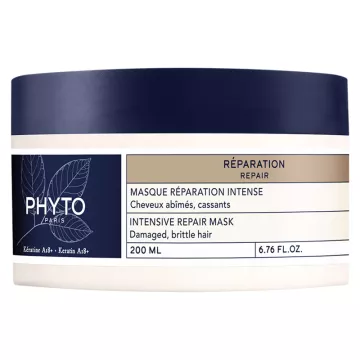
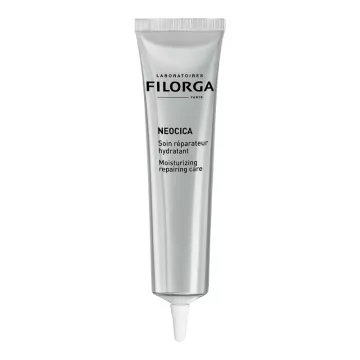
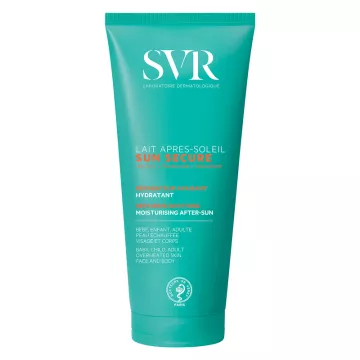
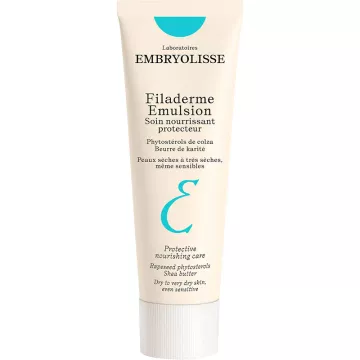
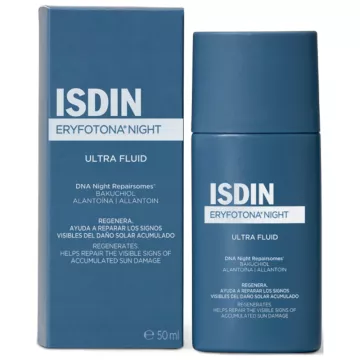
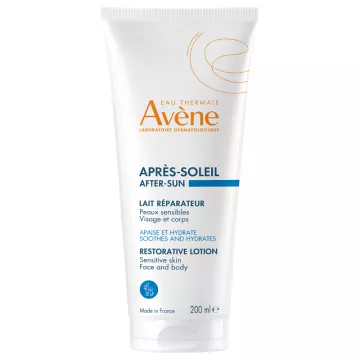
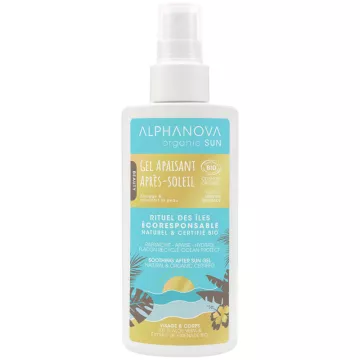
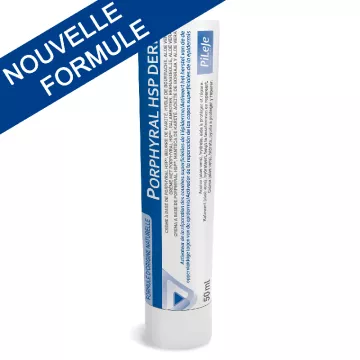
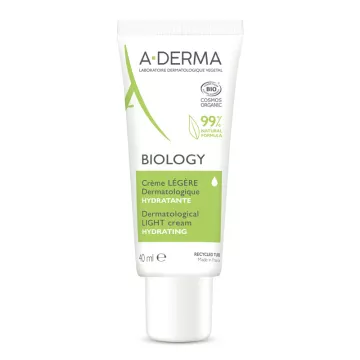
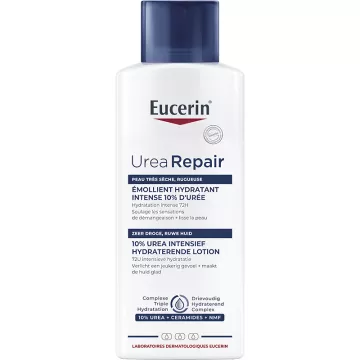
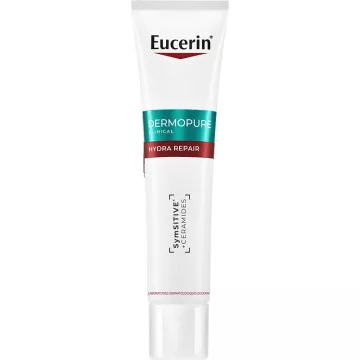
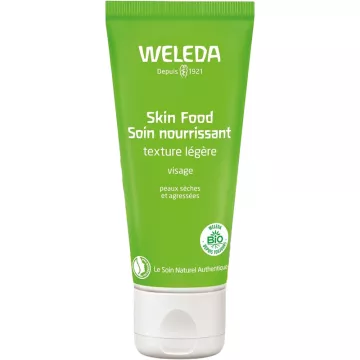
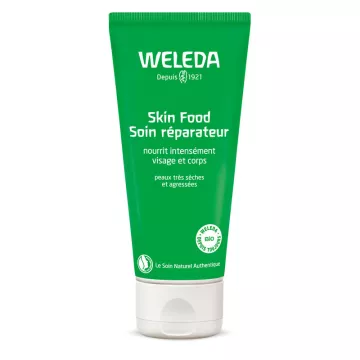
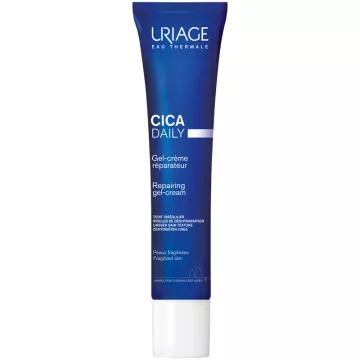
A reparative skincare product is a cosmetic formulated to visibly support a weakened skin barrier, hydrate, and soothe damaged, dry, or sensitive skin.
It contains recognized active ingredients: ceramides, essential fatty acids (omega 3, 6, 9), panthenol (provitamin B5), allantoin, and sometimes aloe vera and niacinamide.
It works by visibly supporting the skin’s ability to defend itself against external aggressors (cold, wind, pollution, friction) and by maintaining skin comfort.
A cosmetic repair treatment is not a medical device for wound healing: it should not be applied to open wounds, burns, infected lesions, or bleeding skin. In these cases, consult a doctor.
Several active ingredients characterize a well-formulated restorative skincare product:
These active ingredients visibly improve the skin’s texture and suppleness and alleviate feelings of discomfort.
The choice of a reparative skincare product depends on your skin type and current needs:
For eczema, rosacea, atopic dermatitis, psoriasis, or other skin conditions: a dermatological consultation is essential to tailor treatment; cosmetics alone cannot treat a medical condition.
To maximize the benefits of a reparative treatment, incorporate it into a consistent skincare routine:
Use regularly morning and night for the most sensitive skin; adjust frequency as the skin improves.
The results of a reparative treatment vary depending on skin type and the severity of the initial damage.
First effects on skin comfort: often noticeable within a few days.
Visible improvement in hydration and texture: 2 to 4 weeks of regular use.
Visible support for the skin’s barrier function: 4 to 8 weeks, depending on the situation.
Consistency is more important than frequency of application: opt for a consistent routine over several weeks rather than irregular applications.
Several signs may indicate a need to incorporate a reparative skincare product:
Severe, persistent symptoms, or symptoms accompanied by extensive red patches, oozing, deep cracks, or pain: consult a dermatologist to rule out an underlying condition.
It is possible to use a repair treatment on acne-prone skin, provided you choose a suitable formula:
A cosmetic repair treatment is not an acne treatment: for moderate to severe, persistent, or inflammatory acne, consult a dermatologist. Acne treatments (salicylic acid, benzoyl peroxide, retinoids) can weaken the skin; a complementary restorative skincare product can help maintain skin comfort.
A restorative treatment can be used on both the face and body, depending on the product’s formula (often indicated on the packaging).
Areas of the body that often need extra care: hands (exposed to frequent washing), elbows, knees, heels, and legs in winter.
For skin conditions (atopic eczema, psoriasis, ichthyosis), cosmetic products should be used alongside a prescribed dermatological treatment, but do not replace it.
Repair treatments can be incorporated into a multi-product routine in a logical order:
On sensitive skin, avoid combining strong active ingredients in the same routine: retinol, AHAs, BHAs, and high-concentration pure vitamin C can worsen discomfort.
Repairing treatments and moisturizers may resemble each other in texture and use, but they address distinct needs:
Many formulas combine both approaches: hydration of the outer layers + support for the skin’s barrier function.
For visibly damaged, compromised, or recovering skin, a dedicated repair treatment is generally more appropriate than a standard moisturizer.