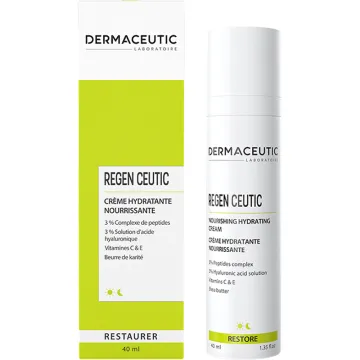
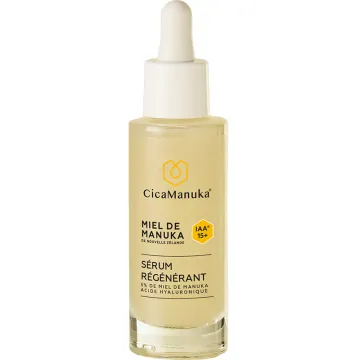
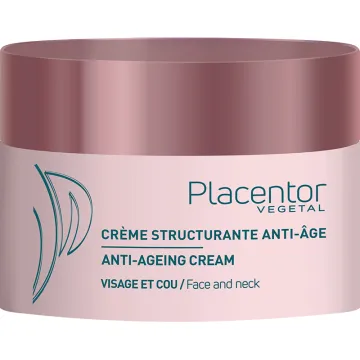
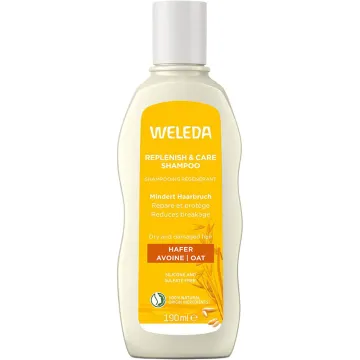
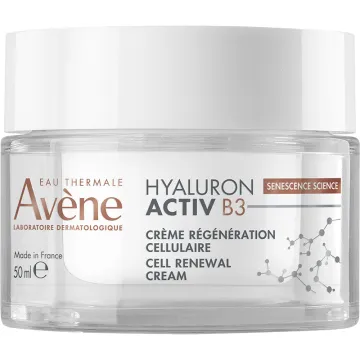
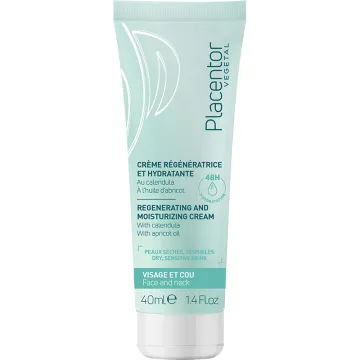
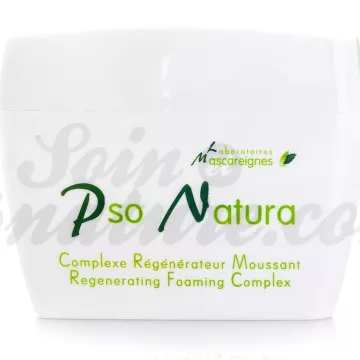
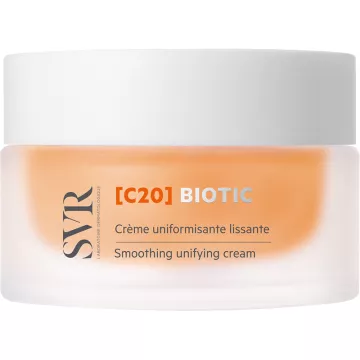
What is a regenerating skincare product?
A regenerating skincare product is a cosmetic formulated to support the skin’s natural ability to repair and renew itself. Features:
- Targeted action on the skin’s quality, vitality, and visible radiance
- Concentrated active ingredients: peptides, antioxidants, vitamins C and E, hyaluronic acid, ceramides
- Complements your daily moisturizing routine
- Visible,gradual results over several weeks
- Use as part of a routine or as an intensive treatment as needed
- Suitable for various skin types and conditions
- Aholistic approach to skincare
This regenerating treatment can be incorporated into any routine, complementing cleansing, moisturizing, and sun protection. Our anti-aging section at the pharmacy offers products tailored to different skin types.
Why use a regenerating treatment?
There are several reasons to use it:
- Supporting the skin’svisible health on a daily basis
- Strengthening the skin barrier against external aggressors
- Gradually reducing the first signs of skin fatigue
- Deep,intensive hydration
- Protection against pollution, UV rays, and oxidative stress
- Support after environmental stressors (sun exposure, fatigue, stress)
- Improved skintexture and radiance
- Cosmetic repair after temporary environmental stressors (wind, cold, heating)
- Maintains skin balance throughout the seasons and as you age
Preventive care is just as important as curative care. A regular regenerating routine provides cumulative benefits over the years.
What active ingredients should you look for?
Several well-documented ingredients are included in these skincare products:
- Antioxidants: neutralize free radicals
- Vitamin C: an antioxidant that helps promote a radiant and even complexion
- Vitamin E: an antioxidant that works in synergy with vitamin C
- Resveratrol: a powerful plant-based antioxidant
- Coenzyme Q10: a targeted antioxidant
- Green tea polyphenols
- Peptides: support skin suppleness through their signaling action
- Hyaluronic acid: a key moisturizer with a plumping effect
- Niacinamide: improves the visible quality of the skin, soothes redness
- Cosmetic retinol: promotes cell renewal (for evening use only; photosensitizing; contraindicated during pregnancy and breastfeeding)
- Centella asiatica (Cica): provides cosmetic support for the skin, soothing
- Allantoin and panthenol: soothing and restructuring
- Ceramides and squalane: restore the skin barrier
- Cosmetic AHAs (glycolic, lactic, and mandelic acids): gentle exfoliants (photosensitizing)
- Bisabolol: plant-derived soothing agent
Combining complementary active ingredients in a balanced formula often yields the best results.
How can you incorporate it into your routine?
A consistent routine ensures effectiveness:
In the morning:
- Gently cleanse your face
- Regenerating antioxidant serum (vitamin C, vitamin E, polyphenols)
- Moisturizer suited to your skin type
- Specificeye contour treatment
- SPF 30 to 50+ sunscreen is essential as the final step
In the evening:
- Thoroughly remove makeup with makeup remover oil or gentle cleansing milk
- Follow up with agentle cleanse
- Targeted serum (peptides, hyaluronic acid, cosmetic retinol, depending on the night)
- Regenerating night cream without SPF
- Specificeye contour treatment
- Finishingplant-based oil for dry skin
Weekly: gentle exfoliation 1–2 times, regenerating mask 1–2 times. Consistency is more important than the sophistication of the products.
How to choose based on your skin type?
Several formulations are available depending on your skin type:
- Dry skin: creams rich in ceramides, hyaluronic acid, squalane, and shea butter
- Combination skin: lightweight serums with niacinamide and vitamin C, non-greasy textures
- Oily, blemish-prone skin: lightweight, non-comedogenic formulas with salicylic acid and niacinamide
- Sensitive skin: ultra-gentle, fragrance-free, and alcohol-free formulations with soothing active ingredients (aloe vera, allantoin, centella, bisabolol) in moderate concentrations
- Mature skin: serums combining peptides, antioxidants, and firming ingredients
- Reactive skin: hypoallergenic formulas, free of concentrated irritating active ingredients
- Acne-prone skin: active ingredients that combine regeneration and anti-blemish properties (azelaic acid, niacinamide)
- Dehydrated skin: moisturizing serums with hyaluronic acid and glycerin
- Dark skin types: use concentrated active ingredients with caution (risk of paradoxical hyperpigmentation)
A 48-hour patch test on the inner elbow is recommended before first use. Consult your pharmacist to identify the most suitable formulation.
How often should it be applied?
The frequency depends on the formulation:
- Gentle regenerating serum: 1 to 2 times a day, morning and/or evening
- Regenerating Day Cream: Once a day in the morning
- Regenerating Night Cream: Once a day in the evening (without SPF)
- Serum concentrated in sensitizing active ingredients: once a day in the evening, as a 1- to 3-month treatment
- Cosmetic retinol: Gradually introduce 2–3 evenings a week, increasing as tolerated
- AHAs and BHAs: 2 to 3 times a week, depending on the formulation
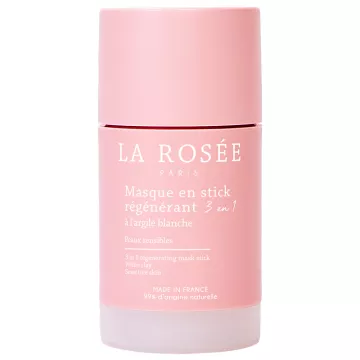
- Regenerating mask: 1 to 2 times a week
- Ampoule or flash treatment: as needed for immediate results
- Intensive treatment: 1 to 3 months, 1 to 2 times a year at seasonal changes
It’s essentialto listen to your skin: if you notice any signs of irritation, space out your applications. A routine that overstimulates the skin can, paradoxically, make it more vulnerable.
Can these be combined with other skincare products?
Combinations are possible, provided you follow a few rules:
Good skincare combinations:
- Antioxidant serum + regenerating moisturizer
- Hyaluronic acid + vitamin C: hydration and antioxidant protection
- Peptides + hyaluronic acid: suppleness and hydration
- Niacinamide + hyaluronic acid: soothing and hydration
- Specificeye contour treatment as a complement
- SPF 30 to 50+ sunscreen as the final step in your morning routine (essential)
- Gentle weekly exfoliation to optimize absorption
- Regenerating mask 1 to 2 times a week as a supplement
Avoid:
- Simultaneoususe of multiple irritating active ingredients (retinol + AHA + concentrated vitamin C)
- Multiple photosensitizing active ingredients without rigorous sun protection
- Using skincare products immediately after a medium or deepchemical peel without medical advice
- Introducing several new products at the same time
For combinations with medical aesthetic procedures, always consult your dermatologist or aesthetic physician.
What side effects should you watch for?
Regenerative treatments are generally well tolerated, but certain effects may occur:
- Initialtingling or a sensation of warmth (usually temporary)
- Temporaryredness
- Dryness and tightness
- Superficial peeling
- Increased sensitivity to the sun with photosensitizing active ingredients (retinol, AHA, BHA)
- Allergic reactions to preservatives, fragrances, or active ingredients
- Persistentitching
- Paradoxical breakouts (transient purging with retinoids)
- Contact dermatitis in rare cases
- Worsening if irritating active ingredients are used in combination
What to do: Discontinue use if a severe reaction occurs; rinse with lukewarm, clear water; apply a soothing treatment containingaloe vera or chamomile; space out applications; gradually reintroduce the product after improvement. If symptoms persist, consult a pharmacist or dermatologist.
Suitable for all ages?
Regenerating skincare products are suitable for different age groups with tailored formulations:
- Ages 20–30: preventive formulas (hyaluronic acid, vitamin C, niacinamide), a light skincare routine, and essential sun protection
- Ages 30–40: introduction of anti-aging active ingredients (gradual cosmetic retinol, peptides), well-established morning and evening routine
- Ages 40–50: serums with higher concentrations of targeted active ingredients, firming treatments, enhanced hydration
- Ages 50 and up: Rich formulas combining antioxidants, peptides, and nourishing ingredients; adaptation to hormonal changes (menopause)
- All ages: daily sun protection, a healthy lifestyle, and a balanced diet
Starting a preventive regimen as early as age 25 optimizes long-term results. It’s never too late to begin a rejuvenating routine: even on mature skin, visible benefits can be observed. For mature skin, a comprehensive strategy yields the best results.
How does this differ from anti-aging skincare?
The two approaches are complementary but distinct:
Regenerating skincare:
- Goal: comprehensive support for the skin’s vitality and visible quality
- Action: targets the skin’s barrier function, hydration, comfort, and radiance
- Target audience: all ages, all skin types
- Key active ingredients: antioxidants, peptides, hyaluronic acid, vitamins
- Approach: Preventive and comprehensive
Anti-aging skincare:
- Goal: specifically targeting the signs of aging
- Action: on wrinkles, fine lines, loss of firmness, dark spots
- Target audience: skin showing signs of aging, generally starting at age 30–35
- Key active ingredients: retinol, targeted peptides, AHAs, concentrated antioxidants
- Approach: Targeted and corrective
For an optimal routine, both approaches can be combined: a regenerating product as part of your basic routine, and an anti-aging serum targeted at specific concerns. For established signs of aging, a combined approach yields the best results. Your licensed pharmacist remains a valuable resource for developing a consistent skincare routine tailored to your skin’s changing needs.