What are triglycerides and why is it important to control them?
Triglycerides are a type of fat (lipid) found in the blood. After eating, your body converts the calories it doesn't immediately need into triglycerides, which are stored in fat cells. High triglyceride levels can contribute to hardening of the arteries or thickening of the arterial walls (atherosclerosis), increasing the risk of heart disease, stroke and pancreatitis. It is therefore crucial to maintain triglyceride levels within a normal range.
What are normal triglyceride levels?
Triglyceride levels are generally measured by a blood test. Here are the recommended thresholds:
What are the main causes of increased triglycerides?
Several factors can contribute to increased triglyceride levels, including :
How can triglycerides be reduced naturally?
To reduce triglycerides, adopt the following measures:
When should a doctor be consulted about high triglyceride levels?
Consult a healthcare professional if:
What medical treatment options are available for high triglycerides?
In addition to lifestyle changes, your doctor may recommend:
What types of food should be avoided to reduce triglycerides?
To keep your triglycerides low, it's essential to avoid certain types of food:
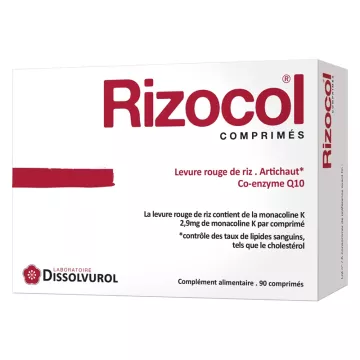
Are there dietary supplements effective in reducing triglycerides?
Certain dietary supplements can help control triglyceride levels:
What impact does stress have on triglyceride levels?
Stress can influence triglyceride levels in two ways:
Can high triglycerides be completely cured?
Although it is possible to significantly reduce triglyceride levels through lifestyle modifications and, if necessary, medical treatment, talk of a complete cure can be misleading. Triglyceride management is often a matter of long-term maintenance rather than definitive cure, requiring ongoing monitoring and regular lifestyle adaptations.
How can I effectively monitor my triglyceride levels at home?
Although home tests are no substitute for laboratory blood tests, they can be useful for monitoring trends. Home triglyceride test kits are available and can give a quick estimate of your levels. However, for accurate measurements and a reliable diagnosis, it is advisable to consult a healthcare professional regularly for laboratory tests.