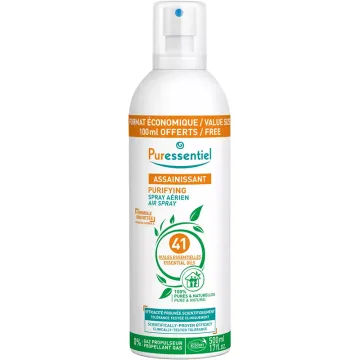
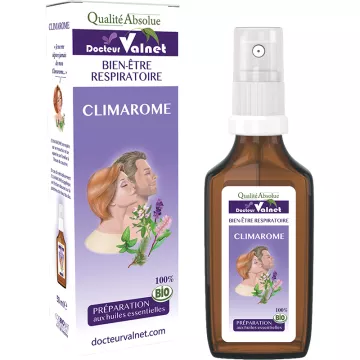
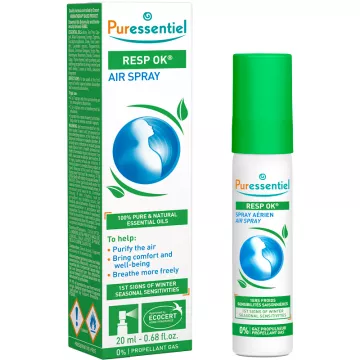
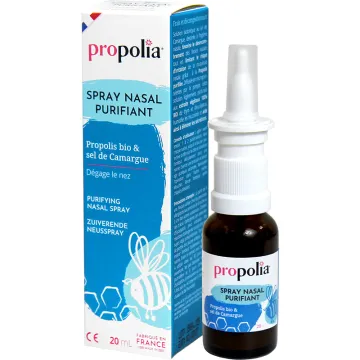
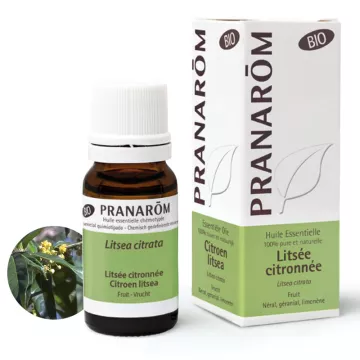
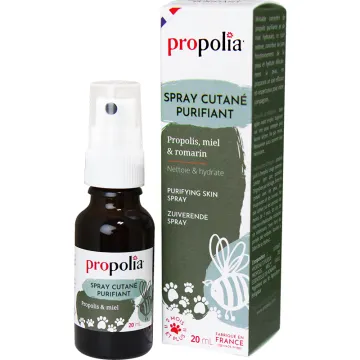
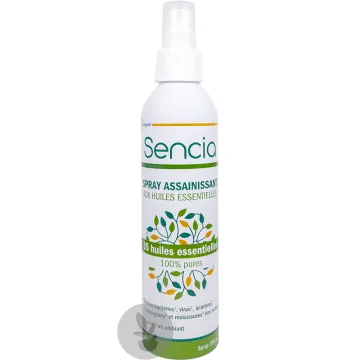
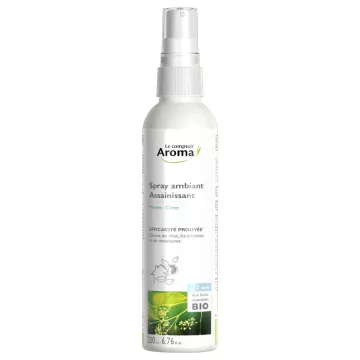
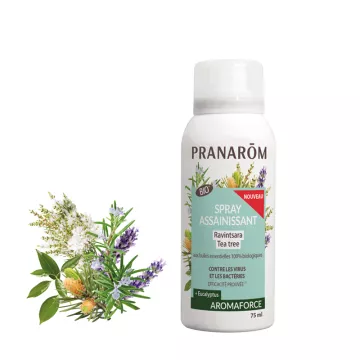
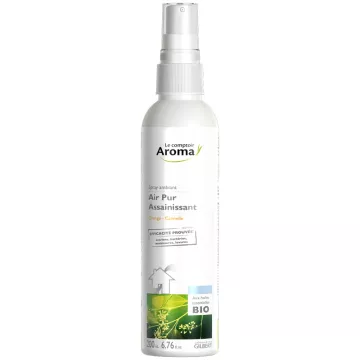
A purifying spray is a liquid formulation in a spray bottle designed to purify indoor air and sanitize fabric or hard surfaces using naturally derived active ingredients—primarily essential oils with antimicrobial properties. It differs from certified chemical disinfectants (bleach, alcohol, quaternary ammonium compounds) in its gentle formulation, its ability to purify the air, and its more general use: it does not replace a registered biocidal disinfectant in medical settings or high-risk infection environments, but serves as a tool for prevention and air purification suitable for everyday home or professional use. Essential oil-based purifying sprays are available in the store’s purifying and aromatherapy product lines.
The mechanism of action relies on the diffusion of aromatic microparticles that settle in the air and on surfaces. The active volatile compounds in essential oils (phenols, terpenic alcohols, oxides) exert a documented in vitro antimicrobial effect on several bacterial and viral strains—disrupting the microbial cell membrane and inhibiting viral replication in enveloped viruses. When diffused into the air, they help reduce the microbial load in indoor air and can support the immune defenses of the respiratory tract.
The choice of essential oils directly determines the antimicrobial efficacy and intended use of the purifying spray. The most well-documented are:
For optimal effectiveness, spray from 30–50 cm away from surfaces or diffuse throughout the room with doors and windows closed for 10 to 15 minutes, then ventilate. On hard surfaces, test on a small, inconspicuous area first—some essential oils may stain light-colored fabrics or damage varnished surfaces. Never spray directly onto food, unprotected food preparation surfaces, or electronic equipment.
Several precautions are necessary for sensitive populations. Pregnant women (especially during the first trimester) and children under 3 years of age should not be exposed to sprays containing eucalyptus, ravintsara, or phenol-containing essential oils without medical advice—gentle diffusion of lavender remains the only generally accepted option for very young children. People with asthma or epilepsy should consult a healthcare professional before using any spray containing essential oils—the volatile compounds can trigger attacks in sensitive individuals. Store bottles out of the reach of children, away from heat and light, and observe expiration dates, as essential oils oxidize over time.