Common oregano, compact oregano, and marjoram: why not confuse them?
The word “oregano” refers to several plants with very different characteristics—and confusion with marjoram is common even in pharmacies.
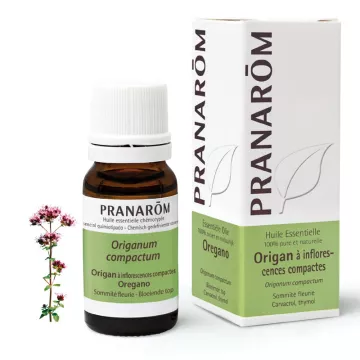
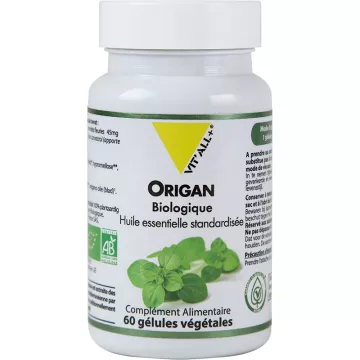
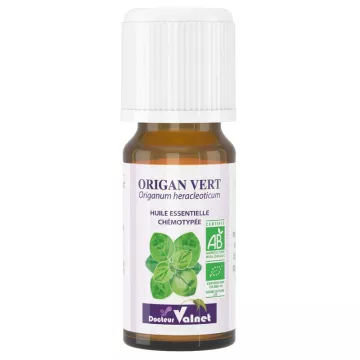
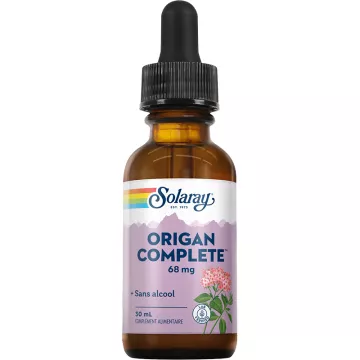
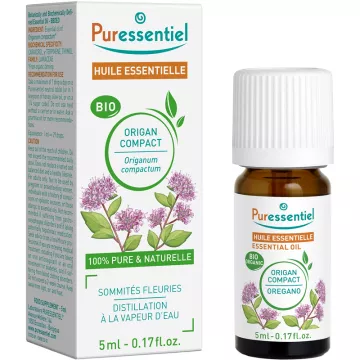
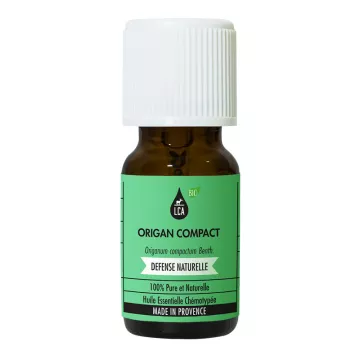
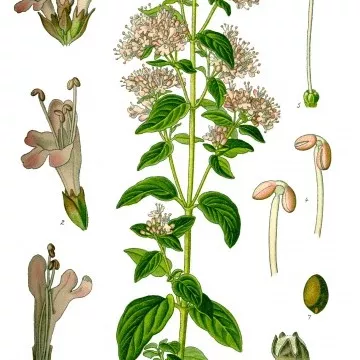
Origanum vulgare (common oregano) is the medicinal plant listed in the European Pharmacopoeia—reasonably potent, suitable for use in herbal teas and as a digestive infusion. Origanum compactum (compact oregano) is a North African species with an extremely concentrated carvacrol-thymol profile (60–80%) — it is the go-to essential oil in anti-infective aromatherapy, as potent as Eucalyptus globulus and thymol-type thyme, but requiring the same strict precautions. And Origanum majorana (shell marjoram) is a completely different plant in terms of effects—soothing and sedative, whereas oregano is tonic and anti-infectious.
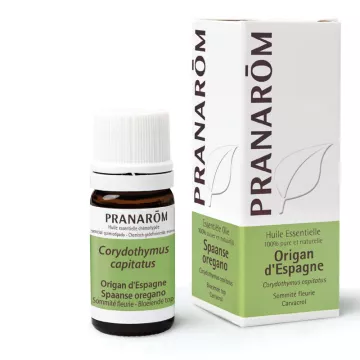
- On the label: always check the full Latin name—"oregano" without further specification could refer to either one
- "Oregano" essential oil without a botanical name: likely O. compactum—the most potent and most common in aromatherapy
What are the uses of compact oregano essential oil in aromatherapy?
It is one of the most potent anti-infective essential oils in the catalog—its carvacrol and thymol act on a very broad spectrum of pathogens.
- Intensive winter support: soles of the feet, 2–3 drops diluted to 10–15% in a vegetable oil, morning and evening—at the onset of an infection—adults only, treatment duration 7–10 days max
- Immune support: anti-infective trio: compact oregano + ravintsara + thujanol-type thyme — standard winter protocol for adults
- Resistant skin fungal infections: 2% in calophyllum oil applied to the affected area—carvacrol is one of the most well-documented natural antifungals
- Diffusion: 3–5 drops maximum blended with other essential oils—the scent is strong and warm, and can become overwhelming when used alone
How to use common oregano in a digestive herbal tea?
Dried common oregano is the most readily available and mildest form—very different from compact oregano essential oil.
- Herbal tea: 1–2 c.c. of dried oregano in 250 mL of water at 90°C, steep for 10 min — 1 cup after meals — mild carminative, supports digestive comfort and the digestion of heavy meals
- Digestive blend: oregano + thyme + rosemary—a Mediterranean herbal trio for slow digestion
- Antioxidant properties of common oregano polyphenols — one of the herbs richest in natural antioxidants
What precautions should be taken with compact oregano essential oil?
It is one of the essential oils requiring the most precautions—its carvacrol is just as irritating as the thymol in thymol-type thyme.
- Skin irritant: always dilute to 5–15% in a carrier oil—never apply undiluted or to the face
- Pregnant and breastfeeding women: contraindicated—the phenols can cause uterine contractions
- Children under 12: contraindicated—the common essential oil is too potent for pediatric use
- Epilepsy and asthma: consult a doctor—phenols may lower the seizure threshold and irritate the bronchial tubes
- Liver failure: consult a doctor—phenols are metabolized by the liver
- Duration: 7–10 days maximum per treatment course, mandatory break — risk of skin sensitization and accumulation in the liver
- Internal use of essential oil: only in enteric-coated capsules and under the supervision of a qualified professional