0
Menu

Organic Herbal Teas: Natural Well-Being with Carefully Selected Herbs

Filter
Number of products : 15
Sort
Sort
Close
Ecoidées Organic Cinnamon Tea, 150 g Ecoidées Organic Cinnamon Tea, 150 g
€6.82
Shipped within 24h
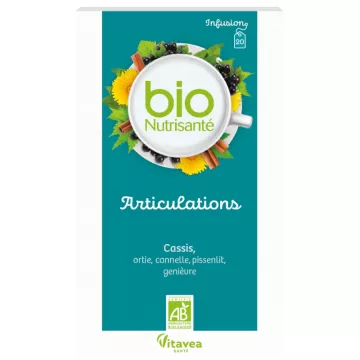
Vitavea Bio Nutrisanté Joint Tea, 20 tea bags Vitavea Bio Nutrisanté Joint Tea, 20 tea bags
€3.54
Shipped within 24h
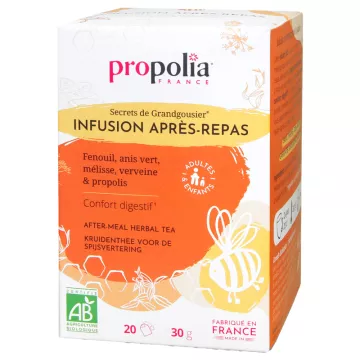
Propolia Organic After-Meal Digestive Comfort Tea, 20 bags Propolia Organic After-Meal Digestive Comfort Tea, 20 bags
€5.55
Shipped within 24h
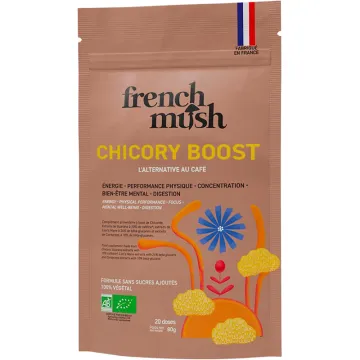
French Mush Organic Energy Drink—A Coffee Alternative—80g French Mush Organic Energy Drink—A Coffee Alternative—80g
€21.99
Shipped within 24h
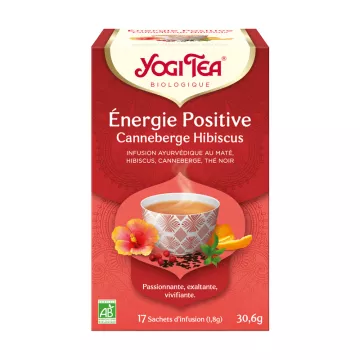
Yogi Tea Organic Positive Energy Cranberry Hibiscus Tea 17 Sachets Yogi Tea Organic Positive Energy Cranberry Hibiscus Tea 17 Sachets
€3.90
Shipped within 24h
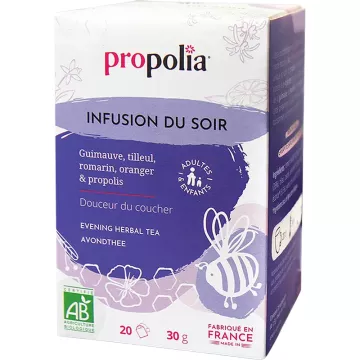
Propolia Organic Evening Infusion: Sweet Bedtime, 20 tea bags Propolia Organic Evening Infusion: Sweet Bedtime, 20 tea bags
€5.55
Shipped within 24h
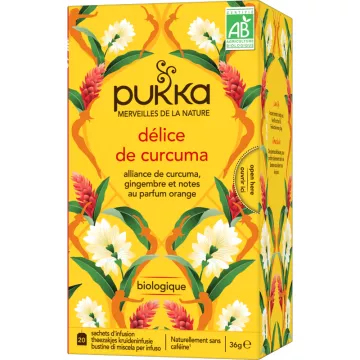
Pukka Organic Turmeric Delight Herbal Tea, 20 tea bags Pukka Organic Turmeric Delight Herbal Tea, 20 tea bags
€4.99
Shipped within 24h
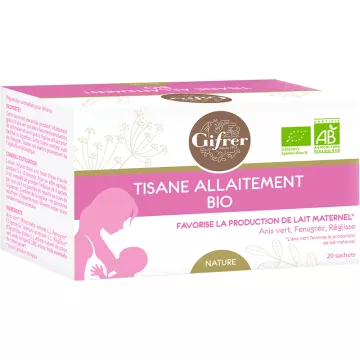
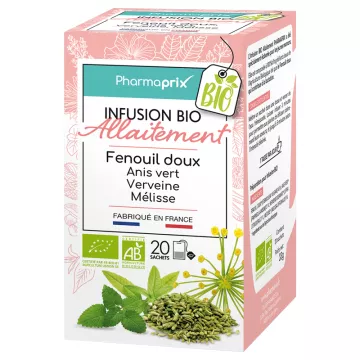
Pharmaprix Infusion Bio Allaitement 20 Sachets Pharmaprix Infusion Bio Allaitement 20 Sachets
€2.99
Shipped within 24h
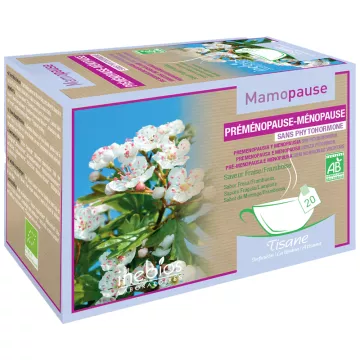
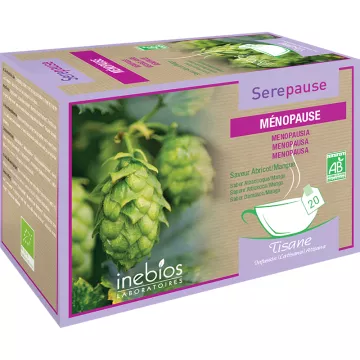
Inebios Serepause Menopause Organic Herbal Tea, 20 tea bags Inebios Serepause Menopause Organic Herbal Tea, 20 tea bags
€4.99
Shipped within 24h

What is an organic herbal tea?

An organic herbal tea is made from plants, flowers, fruits, or roots grown usingorganic farming methods. This production method excludes synthetic pesticides, chemical herbicides, and artificial fertilizers, in accordance with specifications strictly monitored by independent organizations.

Choosing organic makes perfect sense in herbal medicine: plants concentrate what the soil absorbs. Grown without chemical inputs, they produce a purer herbal tea, free of long-term residues, while also preserving biodiversity and soil health. Forchamomile and mint in general, additional resources are available.

Why choose organic herbal teas?

Several reasons support this choice:

  • Absence of pesticide residues, as documented by regular inspections
  • Plants with higher concentrations of natural active ingredients, according to several studies
  • More pronounced flavors and more authentic aromas
  • Respect for biodiversity, soil health, and pollinators
  • Working conditions that are often more respectful in smallholder farming systems

Since herbal teas are concentrated through maceration in hot water, any pesticide residues dissolve easily into the liquid. For this reason, organic remains the safest choice. For ginger and peppermint in particular, specific resources are available.

Which labels should you look for?

Several certifications guarantee the quality of an organic herbal tea:

  • AB (Agriculture Biologique): the leading French label, managed by the INAO
  • European Euroleaf: the equivalent within the European Union, with the same requirements
  • Ecocert, Bureau Veritas, Certisud: independent certification bodies
  • Demeter: a biodynamic certification, with stricter standards than conventional organic certification
  • Nature & Progrès: a pioneering association-based charter with stricter ethical requirements
  • Slow Cosmétique, fair trade labels, local small-scale farming

Prioritizing plants of European or French origin ensures superior traceability and a lower carbon footprint. For lemon balm, linden, and thyme in general, specific resources are available.

How should it be stored properly?

A few guidelines ensure the preservation of active ingredients and aromas:

  • An airtight, opaquecontainer, protected from direct light
  • A cool, dry place (ideally 15–20°C), not in the kitchen above the stove
  • Keep away from strong spices to prevent the transfer of aromas
  • Checkthe harvest date: herbs lose their potency over time (ideally consumed within a year)
  • Individual packets should be kept in their original, unopened packaging

A high-quality plant retains its vibrant color and strong scent: a dull appearance, faint scent, or dust indicate a loss of potency. For passionflower and valerian in general, specific resources are available.

What precautions should you take on a daily basis?

Organic products do not eliminate the need for standard precautions:

  • Vary your herbs rather than taking a single one for an extended period (ideally 3 weeks, then take a break)
  • Pregnancy and breastfeeding: consult a pharmacist before any regular use (some plants are contraindicated)
  • Young children: adjust dosages; choose mild herbs (chamomile, linden)
  • Possibledrug interactions: St. John’s wort, licorice, and ginkgo, in particular
  • Chronic conditions (high blood pressure, diabetes, kidney or hormonal disorders): consult a pharmacist

Organic herbal tea fits naturally into an overall healthy lifestyle: a balanced diet, sleep, and physical activity. It is not a substitute for medical treatment or a consultation if symptoms persist. Your pharmacist remains a valuable resource for guiding you in choosing appropriate herbs and identifying contraindications, in addition to medical care. Forhawthorn in general, specific resources are available.