What is the oral cavity, and what are its essential functions?
The oral cavity encompasses all the structures within the mouth—lips, teeth, gums, tongue, hard and soft palate, buccal mucosa, and salivary glands. Each plays a specific functional role in chewing, swallowing, speech, and taste perception. Caring for the entire oral cavity—not just the teeth—is the definition of comprehensive oral hygiene. Products designed to care for the entire oral cavity are available in the oral care line.
Saliva is central to oral health: produced at a rate of 1 to 1.5 L per day, it lubricates the mucous membranes, initiates the digestion of carbohydrates (salivary amylase), neutralizes acids produced by bacteria (bicarbonates), remineralizes enamel (calcium, phosphate, fluoride), and inhibits pathogenic bacteria (lysozyme, lactoferrin, secretory IgA). Dry mouth (xerostomia)—caused by antisialagogue medications, diabetes, head and neck radiation therapy, or Sjögren’s syndrome—deprives the oral cavity of this natural protection and increases the risk of cavities, candidiasis, and halitosis.
- Oral pH—a regulator of dental health: neutral pH (6.7–7.3) = healthy balance—pH < 5.5 for more than 20 minutes = enamel demineralization—every intake of sugary or acidic food causes this drop — saliva restores the pH within 20 to 30 minutes — constant snacking keeps the pH consistently low — xylitol (sugar-free gum) directly inhibits Streptococcus mutans and accelerates the return to a neutral pH
- Signs of poor oral health: persistent bad breath, red or swollen gums, bleeding while brushing, recurring canker sores, loose teeth, and mucosal lesions that won’t heal
- Often-overlooked areas: the tongue (the main reservoir of VLC-producing bacteria—which cause bad breath—scrape your tongue every morning) — the buccal mucosa (a common site for canker sores and friction-related lesions caused by ill-fitting dentures) — the palate (a site for sub-denture candidiasis)
How do systemic diseases affect the oral cavity?
The oral cavity is not isolated from the rest of the body—its pathologies have bidirectional relationships with several systemic diseases. Diabetes is the best-documented example: it triples the risk of severe periodontitis (hyperglycemia reduces local defenses and impairs healing), and in turn, periodontitis worsens insulin resistance and impairs glycemic control. Treating periodontitis can lower HbA1c by 0.3 to 0.5%.
- Cardiovascular diseases: periodontal bacteria (particularly P. gingivalis) can enter the bloodstream during chewing and contribute to atherosclerosis through inflammatory mechanisms—epidemiological studies link periodontitis to an increased risk of heart attack and stroke — untreated chronic gingivitis is a recognized cardiovascular risk factor
- Stress and bruxism: Chronic stress weakens local immunity (increasing vulnerability to oral infections) and promotes bruxism (nighttime teeth grinding and clenching) — bruxism wears down the enamel on the occlusal and incisal surfaces, causes dental fractures, and leads to temporomandibular pain — a nighttime occlusal splint protects the enamel but does not treat the underlying cause (stress) — recurrent canker sores can also be triggered by stress
- Pregnancy: pregnancy gingivitis affects 35 to 70% of pregnant women (excessive inflammatory response of the gums to estrogen and progesterone) — periodontitis is associated with an increased risk of preterm birth and low birth weight — first-trimester vomiting exposes the teeth to stomach acid (wait 30 minutes before brushing)
Preventive Dentistry and Comprehensive Oral Health Care
Preventive dentistry is based on a simple principle: intervene before disease develops, not after. Regular checkups (1–2 times a year) help detect interproximal cavities (invisible to the naked eye), deep periodontal pockets, suspicious mucosal lesions, and the presence of subgingival tartar. Professional scaling removes calcified tartar (which cannot be removed by brushing) and halts the progression of gingivitis. Sealants (resin applied to the grooves of molars) and fluoride varnish applications round out cavity prevention.
- Diet and oral health: high-fiber foods (fruits, crunchy vegetables) stimulate saliva production and mechanically clean tooth surfaces—dairy products (calcium + phosphorus) contribute to enamel remineralization—antioxidants (vitamins C, E, polyphenols) reduce gum inflammation—limiting sugary snacks between meals is the most effective dietary practice for oral health
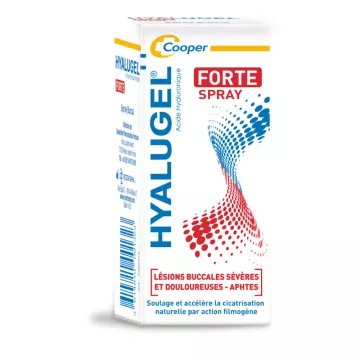
- Canker sores and mucous membranes: Canker sores are painful ulcers on the mobile mucous membranes—triggers: stress, deficiencies (iron, B12, zinc), local trauma, SLS in certain toothpastes — topical treatments (antiseptic gels, Manuka honey, propolis) — any lesion persisting for more than 14 days without healing should be examined by a professional
- Innovations: AI for early diagnosis (detection of early-stage cavities on X-rays), biomimetic materials (synthetic hydroxyapatite, bioactive glasses), regenerative medicine (stem cells to regenerate periodontal and pulp tissues), teledentistry—these advances complement but do not replace daily preventive care