What Is a Nosebleed and How Do You Stop It?
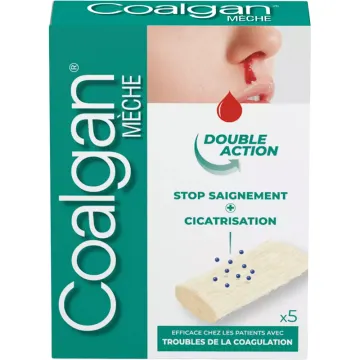
A nosebleed —a common term for epistaxis—is the flow of blood from one or both nostrils, most often originating from the anterior region (Kiesselbach’s plexus—an area rich in blood vessels at the front of the nasal septum). It is benign in the vast majority of cases. Immediate treatment is simple and effective in more than 90% of episodes. Nasal care products are available in the store’s range of natural nose, ear, and throat remedies.
- First step—nasal compression: sit with your upper body slightly leaning forward (never tilt your head back—the blood will flow into your throat and may cause nausea or choking) — firmly pinch the soft part of the nose (both nostrils together, not the bones) between your thumb and index finger — hold for 10 minutes without releasing — breathe through your mouth — apply a cold compress to your forehead or the back of your neck (reflex vasoconstriction)
- Most common causes: dry, cold air from central heating (dries out and weakens the anterior nasal mucosa) — excessive nose-picking or blowing — nasal trauma — rhinitis or sinusitis (inflammation that weakens blood vessels) — nasopharyngitis — medications (aspirin, NSAIDs, anticoagulants—thin the blood clot or prolong bleeding time)
- Seasonality: winter (central heating — dry indoor air < 30% humidity — dry and cracked nasal mucosa) — spring and summer (seasonal allergies — inflammation and vascular fragility of the mucosa) — Humidifying the air (40–60%) and treating allergies significantly reduces the frequency of episodes
- Posterior epistaxis: bleeding from deeper arteries (branches of the sphenopalatine artery) — profuse, difficult to control with simple compression — more common in the elderly and those with high blood pressure — requires ENT treatment (packing, cauterization) — see the epistaxis page for severe cases
How can frequent nosebleeds be prevented naturally?
Preventing nosebleeds relies on keeping the nasal mucosa hydrated—the first line of defense against weakened blood vessels. A well-hydrated mucosa is supple, resistant to minor trauma, and less likely to bleed. Regular nasal irrigation (with saline solution or seawater) removes scabs that, when they come loose, tear away the small underlying blood vessels.
- Preventive topical care:aloe vera gel applied to the nasal mucosa (moisturizing and healing) — nasal ointments containing petroleum jelly or calendula (protective film on dry mucosa) — daily nasal rinsing with saline solution (gentle removal of scabs) — steam inhalations (10 minutes twice daily — direct hydration of the mucosa)
- Nutrition for vascular health and healing: vitamin C (citrus fruits, kiwi, bell peppers — strengthens capillary walls and vascular collagen — bioflavonoids in natural vitamin C enhance the effect) — vitamin K (green leafy vegetables — spinach, cabbage, broccoli—a cofactor in blood clotting)—rutin (a flavonoid—strengthens capillary walls—buckwheat, apricots, lemon)—zinc (healing of mucosal micro-lesions)
- Children and nosebleeds: very common before age 10 (the Kiesselbach plexus is superficial and highly vascularized) — main causes: nose-picking (keep nails short and clean) + dry winter air + frequent nasopharyngitis — steps for parents: stay calm, have the child sit with their head tilted forward, pinch the nostrils shut for 10 minutes — never attempt to apply a cotton swab inside the nostril of a young child
- What to avoid: blowing the nose immediately after the bleeding stops (disrupts the clot) — inserting objects into the nose — blowing the nose too hard (intranasal pressure that dislodges clots) — NSAIDs and aspirin if bleeding recurs (prolong bleeding time)
Recurrent nosebleeds: underlying causes and targeted prevention
Frequent (> 1 time/week) or heavy nosebleeds are not trivial and warrant evaluation. The most common systemic causes to investigate are hypertension (high blood pressure weakens the mucosal blood vessels), coagulation disorders (hemophilia, von Willebrand disease, thrombocytopenia), and anticoagulant or antiplatelet therapies. A complete blood count and coagulation panel help guide the diagnosis.
- High blood pressure and epistaxis: High blood pressure does not directly cause bleeding but increases the severity of bleeding and makes it harder to stop—a heavy, hard-to-control nosebleed in a patient with high blood pressure should be taken seriously—controlling blood pressure reduces the frequency of severe episodes
- Anticoagulant therapies: warfarin, rivaroxaban, apixaban, dabigatran—and even antiplatelet agents (aspirin, clopidogrel)—all prolong bleeding time without increasing the frequency of bleeding—20 minutes of nasal compression may be necessary—if this fails, a medical evaluation is required to adjust treatment
- Targeted prevention: treatment of underlying rhinitis and sinusitis (allergic rhinitis) — humidifier in the bedroom (40–60%) — protective nasal ointment every evening during the winter — correction of vitamin C and K deficiencies — monitoring and control of blood pressure