What is a normal skeleton, and what are bones made of?
A normal skeletal system refers to all 206 bones of the adult skeleton, which are healthy, well-proportioned, and have bone mineral density within the reference ranges for age and sex. The strength of a bone depends on both its mineral composition and its organic matrix. Discover our line of bone remineralizers to help preserve this structure.
- Mineral matrix (70% of dry weight): hydroxyapatite—calcium and phosphorus crystals that provide hardness and compressive strength
- Organic matrix (30%): primarily type I collagen—provides flexibility and tensile strength—without it, bone would be as brittle as chalk
- Compact (cortical)bone: dense outer layer—resists mechanical stress—accounts for 80% of total bone mass
- Cancellous (trabecular)bone: internal lattice structure—more susceptible to bone loss—the primary site of rapid bone remodeling
- Bone strength depends as much on the quality of the collagen matrix as on mineral density—which is why collagen and vitamin C are just as important as calcium
What nutrients are needed to maintain normal bone health?
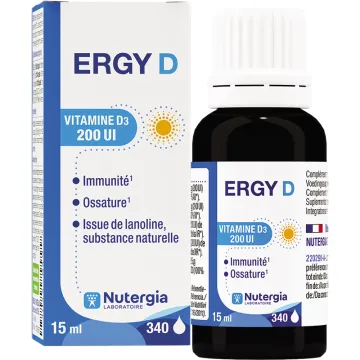
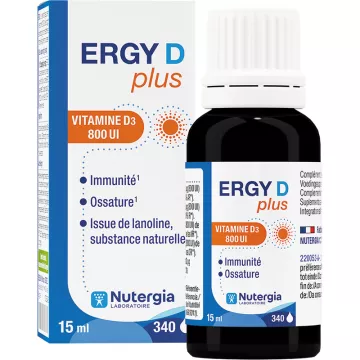
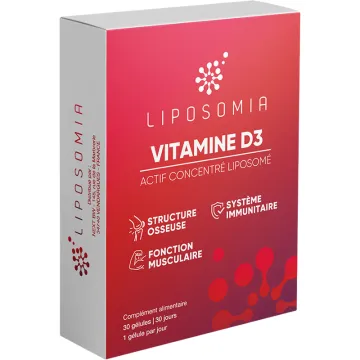
Normal bone health requires a multi-nutrient approach—beyond calcium and vitamin D, two minerals are often overlooked. Find comprehensive formulas in our calcium and vitamin D product lines.
- Calcium: primary structural mineral—1,000–1,200 mg/day depending on age
- Vitamin D3: aids in intestinal calcium absorption—maintain ≥ 30 ng/mL in the blood
- Vitamin K2 (MK-7): anchors calcium in bone via osteocalcin—often overlooked but essential for long-term bone health
- Magnesium: cofactor for vitamin D3—also a direct component of bone hydroxyapatite (1% of bone mineral composition)
- Potassium: reduces metabolic acidosis, which increases bone resorption — sources: fruits, vegetables, legumes — often insufficient in diets high in animal protein
- Protein: forms the collagenous framework—1.0–1.2 g/kg/day—insufficient intake weakens the organic matrix even with adequate calcium
How can bone health be assessed and monitored?
Several techniques are available to assess bone health—each with its own specific indications—as a complement to properly administered supplementation using our remineralizing product lines.
- DEXA (DXA): the gold standard test for bone mineral density — screening for osteopenia and osteoporosis — recommended during menopause, after age 65, or in the presence of risk factors — results are reported as a T-score
- Quantitative CT scan: three-dimensional measurement of bone mineral density (BMD)—distinguishes between cortical and trabecular bone—more accurate in certain sites (vertebrae, hip) but involves higher radiation exposure
- Bone MRI: does not measure BMD but detects occult fractures, bone edema, and structural abnormalities not visible on X-rays—used in cases of bone pain with no obvious cause
- Biomarkers of bone remodeling (CTX, P1NP): blood tests that reflect osteoclast and osteoblast activity—useful for monitoring treatment effectiveness
How can you maintain normal bone health at every age?
- Childhood/adolescence: Maximize peak bone mass—calcium + D3, weight-bearing exercise, reduce soda consumption—see our bone growth page
- Adulthood (ages 30–50): Maintain bone density—maintenance supplementation with calcium, vitamin D3, and K2; regular physical activity
- Menopause and postmenopause: a critical phase—increase intake, consider a DEXA scan, prevent fractures —our tailored bone remineralization supplements
- Seniors: Combine supplementation, gentle strength training, and fall prevention — preserving bone structure isn’t enough without preventing trauma
- Smoking and excessive alcohol consumption: two modifiable risk factors that impair bone health at any age—address these as a priority